Residential Garage Door Repair Stevenson Ranch
Residential garage door repair in Stevenson Ranch can involve anything from a broken torsion spring or malfunctioning opener to damaged cables, worn rollers, off-track doors, safety-sensor problems or panels affected by impact. The right repair begins by identifying what actually failed before replacing parts.
When Do You Need Residential Garage Door Repair in Stevenson Ranch?
Short answer: residential garage door repair in Stevenson Ranch is appropriate when an installed garage door no longer opens, closes, balances, tracks or operates normally. Common reasons include a broken spring, malfunctioning automatic opener, damaged lift cable, worn roller, bent track, safety-sensor issue, off-track door, damaged panel or another mechanical problem.
The symptom does not always identify the failed part. An opener that struggles may actually be reacting to a broken spring. A garage door that reverses while closing may have a sensor problem, an obstruction or excessive mechanical resistance. A crooked door may involve a cable or drum rather than only the visible track.
Repair often makes sense when one or several serviceable components have failed while the overall door remains structurally suitable. Full replacement deserves comparison when several panels are seriously damaged, compatible parts cannot be obtained or the door has broader structural problems.
If the door is severely crooked, a cable is hanging, a spring is visibly broken or the door suddenly became extremely heavy, stop repeated operation and arrange an evaluation rather than forcing the opener.
What Garage Door Problems Are Commonly Repaired at Stevenson Ranch Homes?
A residential garage door is a connected system. Panels, hinges, rollers, tracks, springs, cables, drums and the automatic opener all influence how the door moves. That is why two homeowners with the same symptom can ultimately need different repairs.
Garage Door Suddenly Will Not Open
A door that will not open can involve a broken spring, opener malfunction, trolley problem, electrical issue, cable condition, damaged track or mechanical binding.
One useful diagnostic clue is whether the door suddenly became much heavier. When a functioning counterbalance system is assisting the door, the opener does not have to lift the door's full dead weight. If that assistance disappears because of a spring failure, the opener may struggle or stop even though the motor was not originally the problem.
Opener Runs but the Door Barely Moves
Motor noise does not automatically prove the opener needs replacement. The trolley or drive system may not be transferring movement, or the physical garage door may have become too heavy because of a counterbalance problem.
Garage Door Will Not Close
Closing problems frequently direct attention toward the photo-eye sensors. An obstruction, sensor alignment issue or wiring condition can interfere with closing. Mechanical resistance can also create reversal behavior, so rollers, tracks and door movement should not be ignored.
Door Is Crooked or Uneven
A garage door that becomes lower on one side can involve a lift cable, cable drum, spring, roller or track condition. Once a door is moving unevenly, continuing to operate it can put additional stress on other parts.
Garage Door Is Grinding, Scraping or Squeaking
Noise can originate from worn rollers, hinges, track contact, counterbalance components or the automatic opener. A new sound does not automatically mean a major failure, but a sound that appears together with rough movement or visible damage deserves inspection.
Garage Door Came Off Track
“Off track” describes the condition, not necessarily its cause. The door may have suffered impact, a roller may have failed, a cable may have lost tension or the track may be damaged. Correcting only the visible roller without identifying why it left the track can allow the condition to return.
Garage Door Panel Was Hit
Vehicle impact can range from a cosmetic dent to structural damage involving hinges, rollers, tracks or multiple sections. The repair decision should be based on whether normal operation and structural integrity are affected, not simply how large the dent looks.
How Should a Residential Garage Door Problem Be Diagnosed?
Good garage door repair starts by separating the homeowner's symptom from the actual cause. Replacing the first part associated with a symptom can waste money and leave the original problem unresolved.
Why Root-Cause Diagnosis Matters
Imagine a spring breaks and the homeowner continues trying the opener. The opener struggles because the door is heavy. If the opener is then replaced without addressing the broken spring, the underlying mechanical problem remains.
The same logic applies to an off-track door. A roller can be visibly outside the track, but the underlying cause may be a cable problem that tilted the entire door.
A Useful Question for Any Technician
Ask: “What do you believe failed first, and what tells you that is the cause rather than another component?”
A clear answer helps a homeowner understand why the proposed repair should solve the actual problem.
Homeowners who want more background on how sectional residential doors and their components work together can also review the Valencia overhead garage door homeowner guide .
Broken Garage Door Spring Repair in Stevenson Ranch
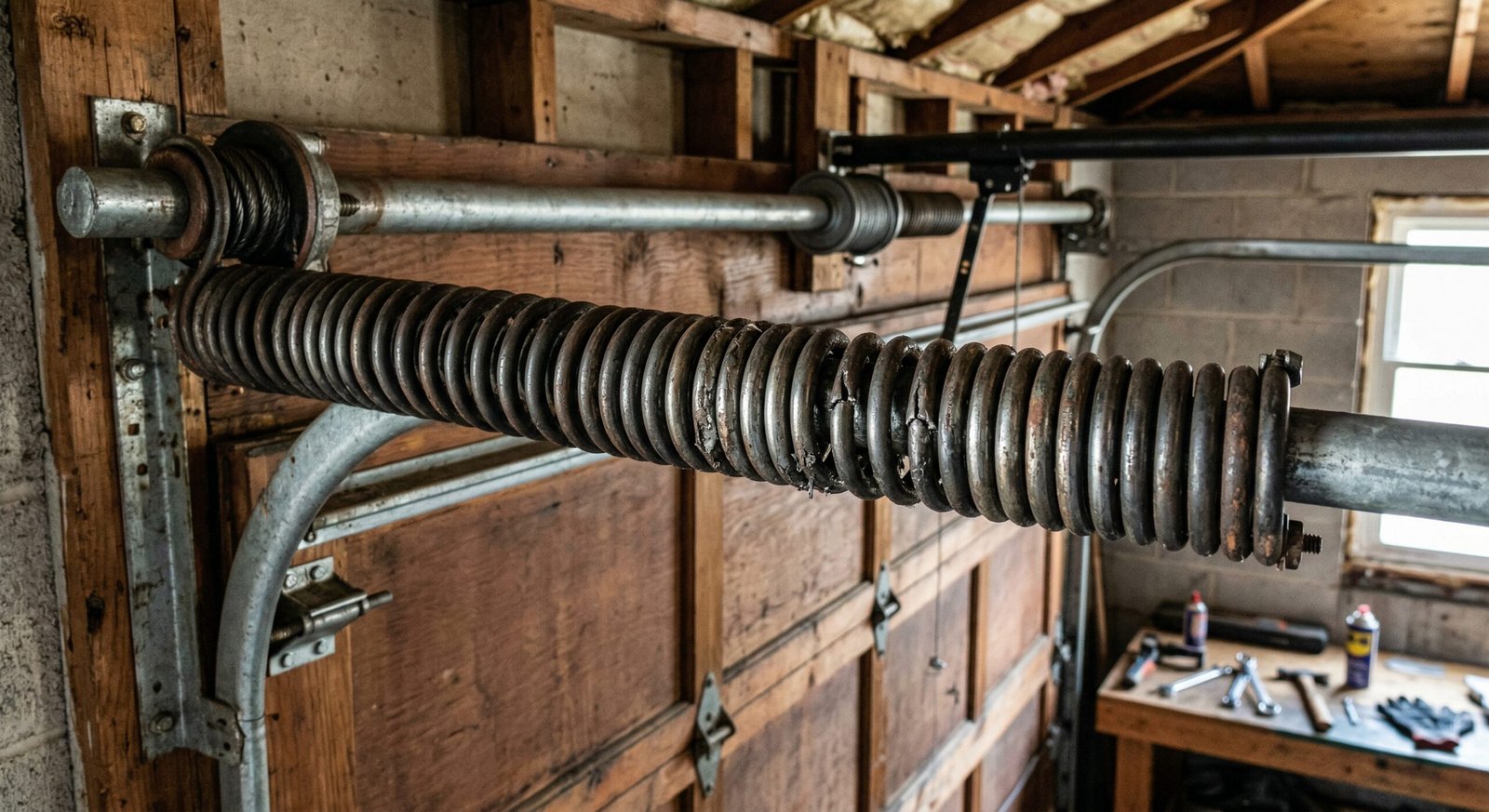
Springs are part of the counterbalance system that helps manage the physical weight of a residential garage door. When spring assistance is lost, the door can suddenly become much heavier and the automatic opener may no longer move it normally.
Signs of a Possible Broken Spring
- A loud bang was heard inside the garage.
- A visible separation appears in a torsion spring.
- The garage door suddenly feels unusually heavy.
- The opener lifts the door only a short distance.
- The motor strains after previously operating normally.
- The door no longer remains balanced as expected.
Torsion Springs
Torsion springs are commonly mounted on a shaft above the garage door opening. The system works together with drums and lift cables to help manage door weight.
Extension Springs
Some residential doors use extension springs positioned along the horizontal track area. These stretch as the garage door closes and contract as it opens. Their hardware configuration differs from a torsion system.
Why the Correct Spring Matters
Garage doors differ in width, height, material, insulation, windows and total weight. The replacement spring should correspond to the requirements of the installed door rather than being selected only because it looks similar to the old spring.
Poor counterbalance can also affect opener performance. An opener is intended to move a door whose mechanical system is operating appropriately, not substitute for a failed spring system.
Single-Spring vs. Two-Spring Systems
Some doors use one spring and others use a pair. If a two-spring system has one failed spring, the condition of the other spring may be discussed during the repair.
A homeowner should understand exactly what is being recommended: whether one spring or both springs are included, why the quantity is being proposed, and whether the second component is required for the repair or being recommended preventively.
Cables and Drums Should Not Be Ignored
A spring failure can affect how cables remain positioned on their drums. If the door became uneven or was repeatedly operated after the failure, related lifting hardware deserves inspection.
Spring and Cable Safety
Springs and connected lifting hardware can hold substantial stored mechanical energy. Do not loosen spring hardware, cable drums or bottom brackets as a DIY diagnostic step.
The Door & Access Systems Manufacturers Association advises homeowners that worn or frayed lifting cables and spring-related hardware can present safety concerns and that high-tension cable work should be handled by trained technicians. Review DASMA residential garage door safety tips for additional guidance.
Residential Garage Door Opener Repair in Stevenson Ranch
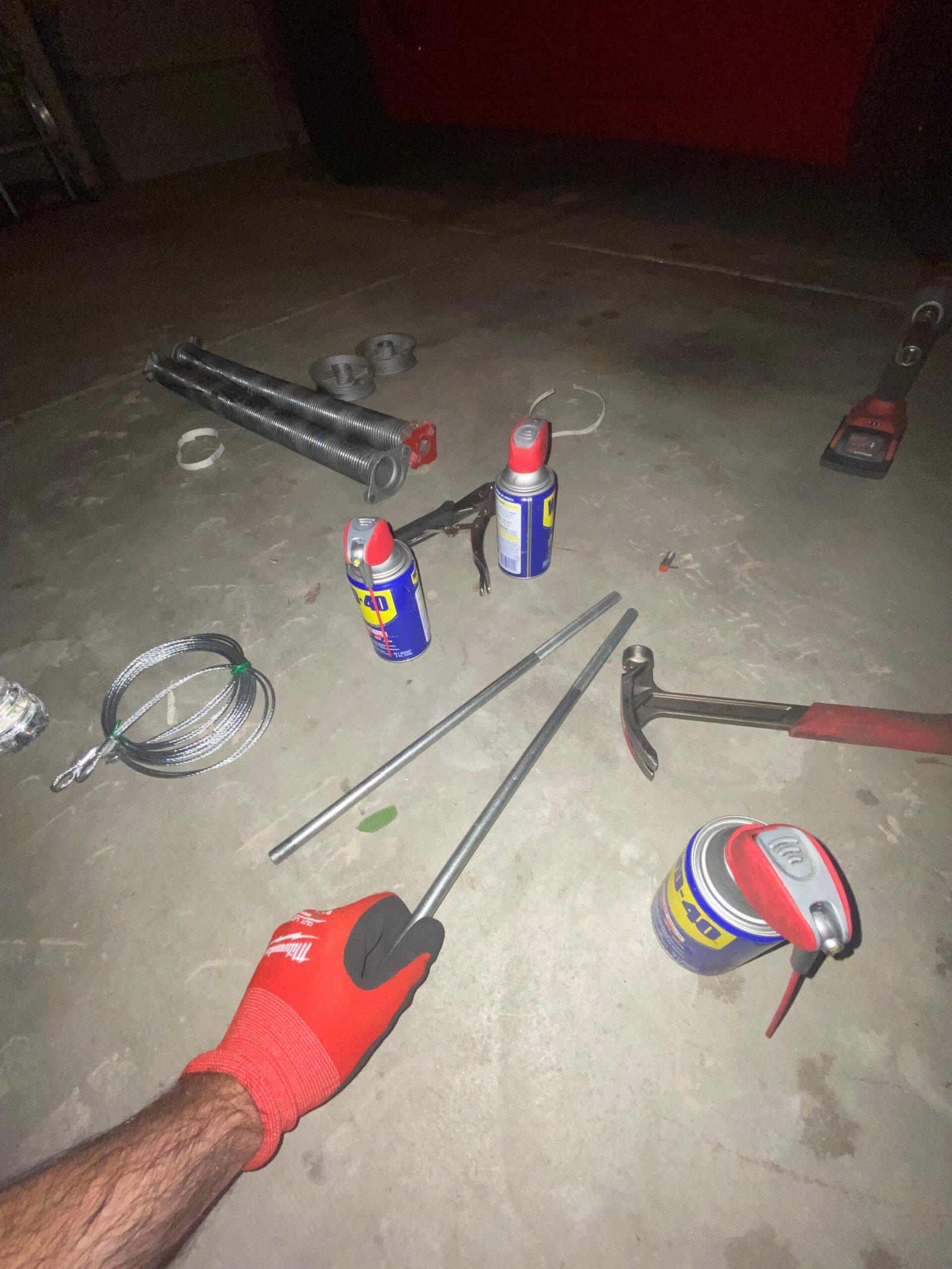
An automatic opener has its own motor, trolley, rail, drive system, controls and safety devices, but it is connected to a separate mechanical garage door. Diagnosing both systems can prevent an opener from being replaced when the physical door is the actual problem.
Motor Response
Does the opener respond when commanded? Does the motor make sound without moving the trolley? Does it begin moving and then stop? Different behaviors suggest different diagnostic directions.
Trolley or Carriage
The trolley transfers movement between the opener rail and garage door. A trolley-related failure can allow the opener motor to run while the door remains stationary.
Belt, Chain or Drive System
Automatic openers use different drive designs. Noise or lack of movement can relate to the drive system rather than the motor itself.
Remote-Control Problems
If the wall-mounted control operates the garage door but the remote does not, the problem may be limited to the remote, programming or receiver path rather than a major mechanical failure.
Wall-Control Problems
A wall control, wiring or lock/vacation-mode setting can create a different symptom from a motor or spring failure. The technician should identify which commands the opener is receiving.
Safety Sensors
Photo-eye sensors near the bottom of the garage door opening are especially important when the door opens but refuses to close normally. Obstruction, alignment and wiring are among the conditions that may need to be considered.
Broken Spring vs. Bad Opener
One of the most important residential diagnostic distinctions is whether the opener cannot move the door because the opener failed, or because the door became abnormally heavy.
If a spring failed, replacing the opener does not restore the counterbalance system.
Opener Safety Requirements
The U.S. Consumer Product Safety Commission states that automatic residential garage door operators must comply with the federal safety standard in 16 CFR Part 1211. Homeowners can review CPSC requirements for automatic residential garage door operators for authoritative background.
California Health and Safety Code §19890 also addresses residential automatic-reverse and safety-device requirements. Homeowners replacing or evaluating older automatic equipment can review California's residential automatic garage door opener requirements .
Cable, Track and Off-Track Garage Door Repair
Cables and tracks perform different jobs, but failures in either area can make a garage door crooked, unstable or difficult to operate.
Frayed or Damaged Lift Cable
Lift cables connect the door to the counterbalance system on many residential installations. Fraying, broken strands or displacement can reduce reliable operation and may affect door alignment.
Cable Off the Drum
If a cable has left its normal position on a drum, the technician should determine why. A spring failure, uneven door movement or another mechanical problem may have contributed.
Bent Garage Door Track
Impact or abnormal force can deform a track. A minor positioning issue is different from a physically crushed or severely bent section. The repair depends on the actual condition and how the rollers travel through the area.
Off-Track Roller
A roller can leave the track because the roller failed, the track was damaged, the garage door was struck or one side of the door moved differently because of a cable problem.
Reinstalling a roller without identifying the underlying reason is incomplete troubleshooting.
Door Leaning in the Opening
A visibly leaning garage door deserves more caution than an ordinary squeak. The weight of the door may no longer be distributed normally, and repeated movement can affect panels, tracks, hinges and cables.
Do Not Keep Cycling a Severely Off-Track Door
If several rollers have left their tracks, the door is hanging at an angle or a cable is loose, stop repeated automatic operation. Keep children and pets away from the immediate opening until the system is evaluated.
Roller, Hinge and Noisy Garage Door Repair
A residential garage door can continue operating while gradually becoming louder or rougher. Those changes can provide useful warning signs before a complete failure occurs.
Worn Rollers
Rollers guide the sectional door through the vertical, curved and horizontal portions of its track. Wear can contribute to vibration, rough movement or noise.
Damaged Roller
A cracked, seized or otherwise damaged roller can place abnormal force on the track and hinge area. If a roller leaves the track, the cause should be identified before the door returns to normal operation.
Hinges
Sectional garage door hinges allow panels to articulate as the door travels. Loose or damaged hinge components can affect panel alignment and create noise during movement.
Scraping Sound
Scraping can indicate abnormal contact between the door hardware and track. The question is not only where the sound occurs, but why the components are making contact.
Grinding From the Opener
A grinding sound from near the motor unit or rail may point toward the opener rather than the rollers. Listening to when the sound occurs can help separate mechanical door noise from automatic-opener noise.
Squeaking Does Not Always Mean a Broken Part
Some squeaks can arise from routine use or maintenance needs. Persistent noise accompanied by rough travel, looseness or visible damage deserves a closer look.
Garage Door Sensor Repair and Troubleshooting
When a garage door opens normally but refuses to close or immediately reverses, the safety-sensor system is one important area to inspect. It is not the only possible cause.
Obstructed Photo-Eye
A physical object blocking the sensor path may prevent normal closure. An obvious obstruction can be removed without disassembling the garage door system.
Sensor Alignment
A photo-eye can be bumped or shifted. If the two sensors are not positioned appropriately, automatic closing can be affected.
Sensor Wiring
Damaged or disconnected wiring can create a sensor-related symptom even when the sensor housings appear normal.
Mechanical Resistance
A garage door can also reverse when movement is unusually difficult. Tracks, rollers, hinges and balance therefore deserve consideration when a closing problem persists.
Opener Controls
Travel settings, electronic controls or other opener issues can also affect closing behavior depending on the installed equipment.
UL Solutions explains that UL 325 addresses hazards associated with electric door operators, including entrapment, and emphasizes proper safety-device installation. Homeowners interested in the technical background can review UL 325 garage door operator safety information .
Can a Damaged Residential Garage Door Panel Be Repaired?
It depends on whether the damage is cosmetic, structural, limited to one section or connected to broader damage elsewhere in the door.
Cosmetic Dent
A small dent that does not change how the section supports hinges or rollers is different from a panel that is folded, cracked or no longer aligned with adjacent sections.
Structural Section Damage
When damage affects hinge mounting points, roller brackets or the panel's ability to remain aligned, operation can become a mechanical concern rather than only a cosmetic issue.
One-Panel Replacement
Sectional garage doors can sometimes support individual panel replacement. Whether this is practical depends on dimensions, construction, design and whether a compatible section can still be obtained.
Vehicle Impact
If a vehicle strikes the garage door, a technician may need to inspect more than the visible panel. Force can also affect hinges, rollers, tracks and door alignment.
Multiple Damaged Sections
When several panels are significantly damaged, the total repair scope can become large enough that complete door replacement deserves a comparison.
Residential Garage Door Repair Stevenson Ranch Comparison Table
| Homeowner Symptom | Possible Cause | What a Technician May Inspect | Likely Next Step | Urgency |
|---|---|---|---|---|
| Door suddenly feels extremely heavy | Broken or failed spring system | Springs, cables, drums, door balance | Limit operation and arrange professional evaluation | Higher |
| Opener runs but door barely lifts | Broken spring, trolley issue or drive-system problem | Door balance, spring system, trolley and opener drive | Diagnose the physical door before replacing the opener | Moderate / Higher |
| Door opens but will not close | Sensor obstruction, alignment, wiring or resistance | Photo eyes, wiring, tracks, rollers and opener response | Correct the diagnosed closing problem | Moderate |
| One side of door is lower | Cable, drum, spring or roller condition | Cables, drums, springs, rollers and tracks | Stop repeated cycling if instability is significant | Higher |
| Roller has left the track | Impact, roller failure, track issue or cable problem | Tracks, rollers, cables and overall alignment | Identify and repair the underlying cause | Higher |
| New grinding or scraping noise | Rollers, hinges, track contact or opener component | Moving hardware, track and opener | Schedule troubleshooting if noise persists or worsens | Routine / Moderate |
| Remote does not work but wall control does | Remote, programming or receiver issue | Remote and opener control system | Control-system troubleshooting | Routine |
| Vehicle damaged one or more panels | Impact damage | Panels, hinges, rollers, tracks and alignment | Compare repair, panel replacement and full replacement | Depends on Stability |
| Door is stuck open | Spring, opener, cable, track or control problem | Complete system based on symptom | Prioritize diagnosis because security may be affected | Higher |
| Door is stuck closed with vehicle inside | Spring, opener or mechanical failure | Counterbalance, opener and door movement | Request timely residential service | Higher Convenience Impact |
When Should You Stop Operating a Residential Garage Door?
Some garage door issues can wait for a normal appointment. Others can become more expensive or less stable if the door is repeatedly cycled.
Stop or Limit Operation When
- A torsion spring is visibly separated or broken.
- The door suddenly became extremely heavy.
- A lift cable is hanging, loose or visibly frayed.
- The door is substantially lower on one side.
- Several rollers have left their tracks.
- The garage door is hanging at an unusual angle.
- Vehicle impact has made the door structurally unstable.
- The opener repeatedly strains without moving the door normally.
- The door moves unpredictably or binds severely.
Do Not Stand Under an Unstable Door
A partially open door that is crooked, off track or no longer counterbalanced should not be treated like a stable overhead surface. Keep unnecessary traffic away from the opening.
Do Not Loosen High-Tension Hardware
Springs, cable drums, lift cables and bottom brackets can be connected to high-tension portions of the system. Inspection does not require a homeowner to loosen those components.
Do Not Force a Heavy Door With the Opener
If the garage door suddenly became dramatically heavier than normal, repeatedly activating the opener can add strain without correcting the spring or balance problem.
Simple Visual Observations Are Enough
From a safe position, homeowners can note whether a spring has a visible separation, whether a cable is hanging, whether one side of the door is lower or whether an object is blocking the photo-eye sensors.
What Should a Residential Garage Door Service Visit Include?
The details depend on the problem, but a useful service visit should leave the homeowner understanding what failed, what repair is being recommended and what work is actually included.
Initial Symptom Review
The homeowner's description can provide valuable clues. A loud bang, slow decline in performance, vehicle impact and immediate reversal are very different starting points.
Visual Safety Check
Before cycling a problematic door, relevant springs, cables, rollers, tracks and structural conditions can be visually considered.
Component-Specific Inspection
The inspection should focus on the systems connected to the symptom. A door that is uneven calls attention to cables, drums, springs and alignment. A door that will not close may require sensor and opener troubleshooting.
Root-Cause Explanation
Homeowners should understand whether the visible problem is the cause or a consequence of another failure.
Repair Scope
The proposed work should identify which parts are being repaired or replaced and what labor or adjustments are included.
Necessary vs. Optional Work
A technician may observe aging components that have not yet failed. Preventive recommendations can be useful, but they should be separated from the repair required to correct today's problem.
Post-Repair Operation
Relevant door movement and automatic operation should be checked after service so that the repaired system can be evaluated in operation.
Repair or Replace a Residential Garage Door in Stevenson Ranch?
A failed component does not automatically mean the entire garage door needs replacement. Springs, cables, rollers, sensors and many opener problems are individual repair categories.
Repair May Make Sense When
- A broken spring is the primary failure.
- A damaged cable needs replacement.
- Rollers or hinges are worn.
- A track condition can be appropriately repaired.
- The opener has an isolated serviceable problem.
- Safety sensors need troubleshooting or replacement.
- A weather seal or bottom seal is worn.
- The garage door panels remain structurally suitable.
- Compatible repair components remain available.
Individual Panel Replacement May Make Sense When
Damage is limited to one section, the rest of the door remains serviceable and a compatible replacement section can be obtained.
Full Door Replacement May Deserve Comparison When
- Several sections have serious structural damage.
- Vehicle impact damaged panels, tracks and additional hardware.
- A matching replacement section is unavailable.
- Multiple major systems require extensive work at the same time.
- The existing door cannot reasonably be restored to appropriate operation.
- The homeowner wants a major change in material, appearance or insulation.
Age Alone Is Not a Diagnosis
An older door can still have an isolated repairable problem. A newer garage door can still suffer impact damage or a component failure. Condition and repairability should guide the decision more than a generic age threshold.
Ask for the Mechanical Reason
When complete replacement is recommended, ask which specific condition makes repair impractical. A useful explanation should reference structural damage, incompatible or unavailable parts, multiple major failures or a homeowner-selected upgrade goal.
What Affects Residential Garage Door Repair Cost in Stevenson Ranch?
There is no single accurate price for every residential garage door repair because the scope can differ substantially from one property to another.
Component That Failed
A sensor issue is not the same project as a spring replacement, off-track repair, opener repair or panel replacement.
Garage Door Size and Weight
Door width, insulation, windows and construction can affect total weight and therefore the requirements of springs and other lifting components.
Part Type
Garage-door components are not universally interchangeable. Springs, rollers, cables, opener components and replacement panels need to be appropriate for the installed system.
Quantity
One spring and two springs are different scopes. Replacing one roller and replacing a larger set of worn rollers are also different projects.
Secondary Damage
A repair can become more involved when the garage door continued operating after the initial failure. For example, a cable problem may eventually contribute to roller, track or panel damage if the door moves unevenly.
Opener Part Availability
Older automatic openers may use proprietary components that are difficult to source. At some point, replacement may deserve comparison with a repair that depends on an unavailable part.
Panel Availability
Individual panel replacement can depend on whether a compatible section is still obtainable for the existing garage door.
Same-Day or Urgent Scheduling
Service companies may structure ordinary scheduling and more urgent appointments differently. Ask about service-call or scheduling-related charges before assuming the final repair price.
What Should an Estimate Clarify?
- What problem was diagnosed?
- Which component failed?
- What repair is being proposed?
- Which replacement parts are included?
- How many of each component are included?
- Is labor included?
- Is there a service-call or diagnostic charge?
- Are adjustments included?
- Which work is necessary to correct the current problem?
- Which recommendations are preventive or optional?
- Could additional damage change the scope?
- How would added work be approved?
- What warranty applies if one is offered?
Compare the Same Scope
If two estimates are significantly different, ask whether they contain the same diagnosis, parts, quantities and labor. A lower final number may represent less work rather than a lower price for the identical repair.
What Preventive Maintenance Can Stevenson Ranch Homeowners Watch For?
Garage door parts eventually wear, and maintenance cannot guarantee that a spring or opener will never fail. Regular observation can, however, help identify changes before they become larger problems.
Watch How the Door Moves
A door that once moved smoothly but now shakes, hesitates or appears uneven deserves attention. Changes over time can be more useful than trying to judge whether every sound is normal.
Listen for New Noise
New scraping, grinding, popping or repetitive clicking can help identify where wear is developing.
Observe Rollers and Hinges
Homeowners can visually note obvious damage or unusual panel movement without removing hardware.
Look at the Tracks
Tracks should not be intentionally bent or used to support unrelated storage. Visible impact damage or unusual contact deserves evaluation.
Observe Cables From a Safe Position
Fraying or loose cable condition can be seen without touching the high-tension lifting hardware.
Pay Attention to Weather Seals
Bottom and perimeter seals can deteriorate over time. Seal wear is generally a maintenance item rather than proof that the complete garage door needs replacement.
Notice Changes in Automatic Closing
A garage door that begins reversing unexpectedly, refusing to close or behaving differently around the sensor system should be troubleshooted rather than repeatedly overridden.
Periodic Professional Inspection
DASMA notes that garage doors are large moving systems used regularly and recommends periodic safety checks and professional service. Inspection is particularly useful when a homeowner has noticed declining balance, worn cables, persistent noise or repeated opener problems.
Why Can Local Santa Clarita Valley Garage Door Experience Matter?
Stevenson Ranch is part of the broader Santa Clarita Valley residential market. Garage-door mechanics are not unique to one neighborhood, but local housing patterns, weather and daily use can influence the kinds of systems technicians encounter.
Attached Residential Garages
When a garage is attached to the home, a door stuck open can create a practical security concern. A door stuck closed can interfere with access to vehicles used for work, school and daily transportation.
Frequent Vehicle Access
In suburban households, the garage often functions as one of the most frequently used entrances. Multiple daily cycles accumulate on springs, rollers, hinges and opener equipment.
Large Two-Car Garage Doors
Many residential systems in the Santa Clarita Valley use wide sectional doors. A large insulated door can have different counterbalance requirements from a lightweight single-car door.
Hot, Dry Summer Conditions
Hot Santa Clarita Valley summers can expose garage-door surfaces, weather seals and equipment inside the garage to significant heat. Environmental exposure is useful context, but it should not replace a component-specific diagnosis.
Dust and Debris
Dry conditions can contribute to dust around track and photo-eye areas. A simple obstruction is different from a failed sensor, so inspection should distinguish maintenance from replacement.
Strong Sun Exposure
Depending on orientation, a garage door can receive substantial sun exposure. Exterior finishes and seals may age differently from components located inside the garage.
Different Generations of Equipment
The door, springs and automatic opener are not always the same age. One may have been replaced while the other systems remained. A technician should therefore identify the equipment actually installed instead of assuming every part dates from the home's original construction.
Power Interruptions and Automatic Openers
California's garage-door-opener rules include safety requirements for residential automatic equipment, while later state legislation also established battery-backup requirements for residential openers sold or installed under covered circumstances. When an older opener is being replaced, current requirements should be considered rather than simply duplicating outdated equipment.
Stevenson Ranch Is the Primary Focus of This Page
This article is intentionally focused on Stevenson Ranch rather than inserting every Santa Clarita Valley community into each paragraph. Nearby Valencia, Newhall and Santa Clarita are relevant primarily because they form part of the surrounding service geography.
What Should You Ask a Residential Garage Door Technician?
Stevenson Ranch Homeowner Checklist
- What do you believe caused the garage door problem?
- Which component failed first?
- What evidence supports that diagnosis?
- Is the garage door safe to operate right now?
- What parts need to be repaired or replaced?
- How many replacement parts are included?
- Are related components also damaged?
- Is this primarily a mechanical door problem or opener problem?
- What repair will correct the current symptom?
- What is included in the estimate?
- Are parts and labor both included?
- Is there a separate service-call or diagnostic charge?
- Which repairs are necessary now?
- Which recommendations are optional or preventive?
- Are there multiple reasonable repair options?
- If replacement is recommended, why is repair not practical?
- Could one panel be replaced instead of the entire door?
- What warranty applies if one is offered?
- Will relevant garage door operation be checked afterward?
- What should I watch for in the future?
A technician does not need to turn the appointment into an engineering lesson, but the homeowner should be able to understand the connection between the symptom, cause and repair.
What Are Red Flags During Residential Garage Door Repair?
Be Cautious When You Encounter
- A large repair recommendation before meaningful inspection.
- No explanation of which garage door component failed.
- A complete opener replacement recommendation without checking the physical door or spring system.
- An off-track repair that does not address why the door became misaligned.
- A vague verbal quote with no understandable repair scope.
- Price changing substantially without an explanation of additional damage or work.
- No description of replacement parts or quantities.
- Optional maintenance presented as mandatory without explanation.
- Immediate pressure to replace the entire garage door when repair has not been evaluated.
- No distinction between cosmetic panel damage and structural damage.
- A safety concern being used only as a pressure tactic rather than explained.
- Poor identification of the actual company performing the repair.
- Important promises missing from the agreed scope where applicable.
Discovering additional damage is not automatically a red flag. A broken component can cause secondary damage. The important question is whether the technician can show or explain what changed and why the additional work is connected to the problem.
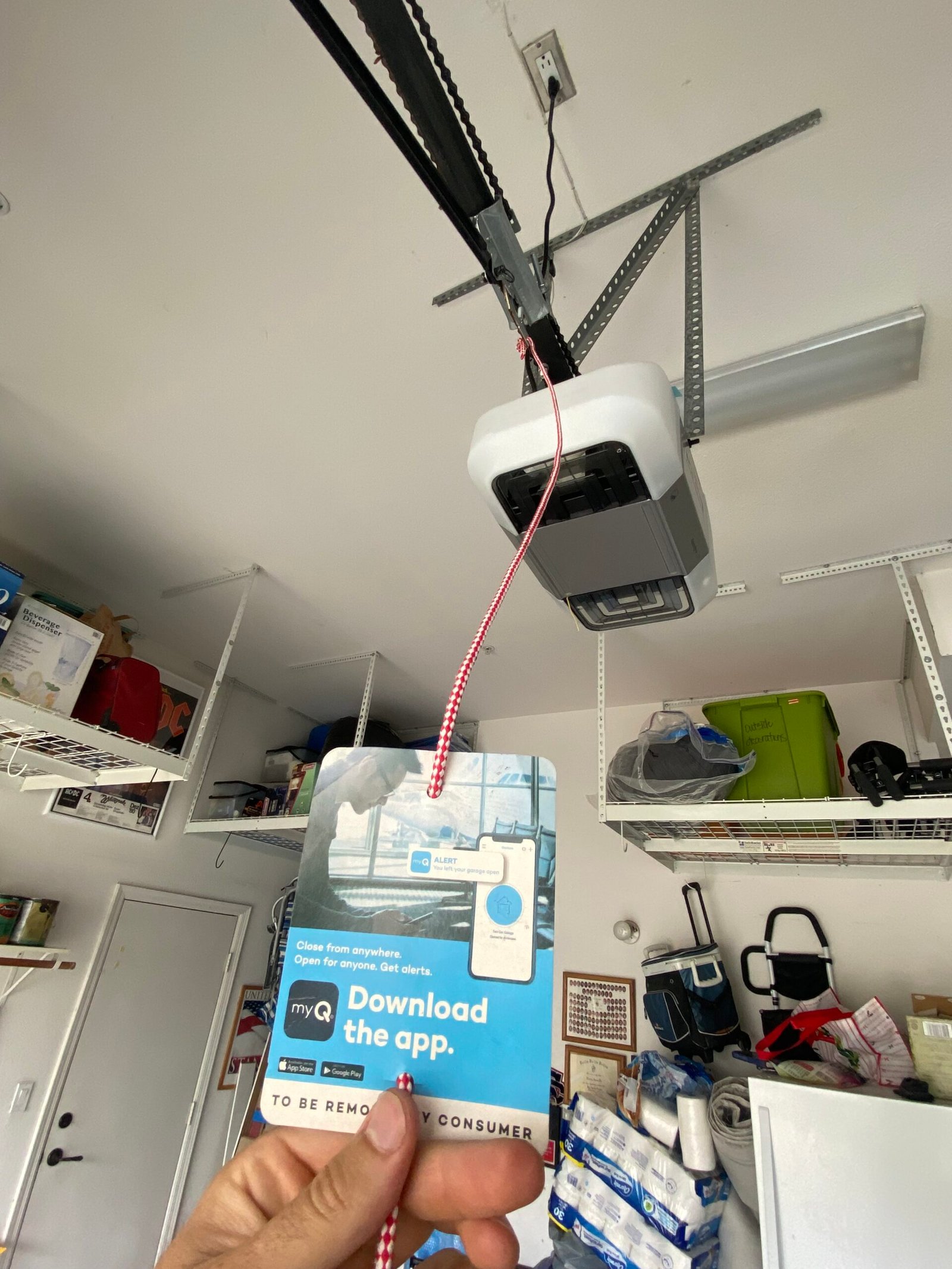
Why Consider Next Hour Garage Door Repair Santa Clarita for Stevenson Ranch?
Next Hour Garage Door Repair Santa Clarita | Garage Spring & Opener Repair is a local residential garage door company serving homeowners in Santa Clarita and nearby Santa Clarita Valley communities, including Stevenson Ranch.
Homeowners can contact the company for residential garage door troubleshooting involving broken springs, garage door openers, damaged cables, worn rollers, tracks, off-track doors, safety sensors, noisy operation, damaged panels and garage doors that will not open or close.
For Stevenson Ranch homeowners, Next Hour may be a useful local company to compare when the priority is identifying the actual cause before deciding on the repair. A heavy door may involve the spring system. A reversing door may require sensor and mechanical troubleshooting. A crooked door may involve cables, drums, rollers or tracks.
The company can be evaluated using the same criteria presented throughout this guide: clear business identity, relevant residential service capability, understandable diagnosis, appropriate repair scope, pricing clarity, safety awareness and a reasonable explanation of repair versus replacement.
Business Information
Next Hour Garage Door Repair Santa Clarita |
Garage Spring & Opener Repair
19410 Golden Valley Rd
Santa Clarita, CA 91387
Phone:
(661) 449-2694
Homeowners can also visit Next Hour Garage Door Repair Santa Clarita for additional residential garage door service information.
Residential Garage Door Repair Areas Near Stevenson Ranch
Stevenson Ranch is the primary geographic focus of this article. Next Hour also serves nearby Santa Clarita Valley communities where relevant to residential garage door scheduling and service coverage.
Residential Garage Door Repair Stevenson Ranch FAQs
What are the most common residential garage door repairs in Stevenson Ranch?
Common service categories include broken spring repair, garage door opener troubleshooting, cable repair, worn rollers, track problems, off-track doors, safety-sensor issues, noisy operation and damaged panels. The symptom does not always identify the failed part, so diagnosis should come before replacement. For example, a weak-looking opener can actually be reacting to a broken spring that made the door unusually heavy.
Why did my garage door suddenly become too heavy to open?
A sudden increase in door weight can indicate that the counterbalance system is no longer providing normal assistance. A broken garage door spring is an important possibility. If the door became dramatically heavier, avoid repeatedly forcing the automatic opener. A technician can inspect the springs, cables, drums and related hardware to determine what actually failed.
Why does my garage door opener run but the door does not open?
Possible causes include a broken spring, disconnected or damaged trolley, drive-system problem or another mechanical condition. The physical garage door should be evaluated before assuming the motor needs replacement. If a spring has failed, the opener may be trying to move far more weight than normal and can appear weak even though it was not the original cause.
Is a crooked or off-track garage door safe to keep using?
If the door is substantially crooked, several rollers are outside the tracks or a cable is loose, repeated operation should stop. Continued movement can increase stress on tracks, hinges, panels, rollers and lifting hardware. Keep people and pets away from an unstable door and have the system evaluated before repeatedly activating the opener.
Why does my garage door open but refuse to close?
Common possibilities include an obstruction between the photo-eye sensors, sensor alignment, damaged sensor wiring, opener controls or mechanical resistance in the garage door. A persistent closing problem should be diagnosed rather than assuming the sensors need replacement. The physical door, tracks and rollers may also contribute to reversal behavior.
Can a damaged garage door panel be repaired without replacing the entire door?
Sometimes. If damage is limited to one section and the rest of the door remains structurally suitable, repair or individual panel replacement may be possible. Compatibility depends on the existing door's dimensions and construction. If several sections, tracks or other structural components are damaged, complete replacement may deserve comparison with the repair scope.
What should a residential garage door repair estimate include?
A useful estimate should identify the diagnosed problem, proposed repair, parts, quantities, labor and applicable service charges. It should distinguish work required to solve the current problem from optional maintenance recommendations. If the scope could change after additional damage is found, the homeowner should understand how that additional work would be explained and approved.
Does Next Hour provide residential garage door repair in Stevenson Ranch?
Next Hour Garage Door Repair Santa Clarita | Garage Spring & Opener Repair serves residential properties in Santa Clarita and nearby Santa Clarita Valley communities, including Stevenson Ranch. Homeowners can contact the company for garage door troubleshooting, springs, openers, cables, rollers, tracks, safety sensors, off-track doors, panels and related residential garage door service.
Find Next Hour Garage Door Repair Santa Clarita on Google Maps
Stevenson Ranch homeowners can review the Next Hour business listing and Santa Clarita location before requesting residential garage door service.
Need Residential Garage Door Repair in Stevenson Ranch?
If your garage door is heavy, noisy, crooked, stuck, reversing, off track or experiencing spring, opener, cable, roller, track, sensor or panel problems, identifying the actual failed component is the first step toward choosing an appropriate repair.
Call (661) 449-2694Call Next Hour Garage Door Repair Santa Clarita at (661) 449-2694 for residential garage door repair in Stevenson Ranch, Santa Clarita and nearby areas.
Residential Garage Door Repair Stevenson Ranch
Residential garage door repair in Stevenson Ranch can involve anything from a broken torsion spring or malfunctioning opener to damaged cables, worn rollers, off-track doors, safety-sensor problems or panels affected by impact. The right repair begins by identifying what actually failed before replacing parts.
When Do You Need Residential Garage Door Repair in Stevenson Ranch?
Short answer: residential garage door repair in Stevenson Ranch is appropriate when an installed garage door no longer opens, closes, balances, tracks or operates normally. Common reasons include a broken spring, malfunctioning automatic opener, damaged lift cable, worn roller, bent track, safety-sensor issue, off-track door, damaged panel or another mechanical problem.
The symptom does not always identify the failed part. An opener that struggles may actually be reacting to a broken spring. A garage door that reverses while closing may have a sensor problem, an obstruction or excessive mechanical resistance. A crooked door may involve a cable or drum rather than only the visible track.
Repair often makes sense when one or several serviceable components have failed while the overall door remains structurally suitable. Full replacement deserves comparison when several panels are seriously damaged, compatible parts cannot be obtained or the door has broader structural problems.
If the door is severely crooked, a cable is hanging, a spring is visibly broken or the door suddenly became extremely heavy, stop repeated operation and arrange an evaluation rather than forcing the opener.
What Garage Door Problems Are Commonly Repaired at Stevenson Ranch Homes?
A residential garage door is a connected system. Panels, hinges, rollers, tracks, springs, cables, drums and the automatic opener all influence how the door moves. That is why two homeowners with the same symptom can ultimately need different repairs.
Garage Door Suddenly Will Not Open
A door that will not open can involve a broken spring, opener malfunction, trolley problem, electrical issue, cable condition, damaged track or mechanical binding.
One useful diagnostic clue is whether the door suddenly became much heavier. When a functioning counterbalance system is assisting the door, the opener does not have to lift the door's full dead weight. If that assistance disappears because of a spring failure, the opener may struggle or stop even though the motor was not originally the problem.
Opener Runs but the Door Barely Moves
Motor noise does not automatically prove the opener needs replacement. The trolley or drive system may not be transferring movement, or the physical garage door may have become too heavy because of a counterbalance problem.
Garage Door Will Not Close
Closing problems frequently direct attention toward the photo-eye sensors. An obstruction, sensor alignment issue or wiring condition can interfere with closing. Mechanical resistance can also create reversal behavior, so rollers, tracks and door movement should not be ignored.
Door Is Crooked or Uneven
A garage door that becomes lower on one side can involve a lift cable, cable drum, spring, roller or track condition. Once a door is moving unevenly, continuing to operate it can put additional stress on other parts.
Garage Door Is Grinding, Scraping or Squeaking
Noise can originate from worn rollers, hinges, track contact, counterbalance components or the automatic opener. A new sound does not automatically mean a major failure, but a sound that appears together with rough movement or visible damage deserves inspection.
Garage Door Came Off Track
“Off track” describes the condition, not necessarily its cause. The door may have suffered impact, a roller may have failed, a cable may have lost tension or the track may be damaged. Correcting only the visible roller without identifying why it left the track can allow the condition to return.
Garage Door Panel Was Hit
Vehicle impact can range from a cosmetic dent to structural damage involving hinges, rollers, tracks or multiple sections. The repair decision should be based on whether normal operation and structural integrity are affected, not simply how large the dent looks.
How Should a Residential Garage Door Problem Be Diagnosed?
Good garage door repair starts by separating the homeowner's symptom from the actual cause. Replacing the first part associated with a symptom can waste money and leave the original problem unresolved.
Why Root-Cause Diagnosis Matters
Imagine a spring breaks and the homeowner continues trying the opener. The opener struggles because the door is heavy. If the opener is then replaced without addressing the broken spring, the underlying mechanical problem remains.
The same logic applies to an off-track door. A roller can be visibly outside the track, but the underlying cause may be a cable problem that tilted the entire door.
A Useful Question for Any Technician
Ask: “What do you believe failed first, and what tells you that is the cause rather than another component?”
A clear answer helps a homeowner understand why the proposed repair should solve the actual problem.
Homeowners who want more background on how sectional residential doors and their components work together can also review the Valencia overhead garage door homeowner guide .
Broken Garage Door Spring Repair in Stevenson Ranch
Springs are part of the counterbalance system that helps manage the physical weight of a residential garage door. When spring assistance is lost, the door can suddenly become much heavier and the automatic opener may no longer move it normally.
Signs of a Possible Broken Spring
- A loud bang was heard inside the garage.
- A visible separation appears in a torsion spring.
- The garage door suddenly feels unusually heavy.
- The opener lifts the door only a short distance.
- The motor strains after previously operating normally.
- The door no longer remains balanced as expected.
Torsion Springs
Torsion springs are commonly mounted on a shaft above the garage door opening. The system works together with drums and lift cables to help manage door weight.
Extension Springs
Some residential doors use extension springs positioned along the horizontal track area. These stretch as the garage door closes and contract as it opens. Their hardware configuration differs from a torsion system.
Why the Correct Spring Matters
Garage doors differ in width, height, material, insulation, windows and total weight. The replacement spring should correspond to the requirements of the installed door rather than being selected only because it looks similar to the old spring.
Poor counterbalance can also affect opener performance. An opener is intended to move a door whose mechanical system is operating appropriately, not substitute for a failed spring system.
Single-Spring vs. Two-Spring Systems
Some doors use one spring and others use a pair. If a two-spring system has one failed spring, the condition of the other spring may be discussed during the repair.
A homeowner should understand exactly what is being recommended: whether one spring or both springs are included, why the quantity is being proposed, and whether the second component is required for the repair or being recommended preventively.
Cables and Drums Should Not Be Ignored
A spring failure can affect how cables remain positioned on their drums. If the door became uneven or was repeatedly operated after the failure, related lifting hardware deserves inspection.
Spring and Cable Safety
Springs and connected lifting hardware can hold substantial stored mechanical energy. Do not loosen spring hardware, cable drums or bottom brackets as a DIY diagnostic step.
The Door & Access Systems Manufacturers Association advises homeowners that worn or frayed lifting cables and spring-related hardware can present safety concerns and that high-tension cable work should be handled by trained technicians. Review DASMA residential garage door safety tips for additional guidance.
Residential Garage Door Opener Repair in Stevenson Ranch
An automatic opener has its own motor, trolley, rail, drive system, controls and safety devices, but it is connected to a separate mechanical garage door. Diagnosing both systems can prevent an opener from being replaced when the physical door is the actual problem.
Motor Response
Does the opener respond when commanded? Does the motor make sound without moving the trolley? Does it begin moving and then stop? Different behaviors suggest different diagnostic directions.
Trolley or Carriage
The trolley transfers movement between the opener rail and garage door. A trolley-related failure can allow the opener motor to run while the door remains stationary.
Belt, Chain or Drive System
Automatic openers use different drive designs. Noise or lack of movement can relate to the drive system rather than the motor itself.
Remote-Control Problems
If the wall-mounted control operates the garage door but the remote does not, the problem may be limited to the remote, programming or receiver path rather than a major mechanical failure.
Wall-Control Problems
A wall control, wiring or lock/vacation-mode setting can create a different symptom from a motor or spring failure. The technician should identify which commands the opener is receiving.
Safety Sensors
Photo-eye sensors near the bottom of the garage door opening are especially important when the door opens but refuses to close normally. Obstruction, alignment and wiring are among the conditions that may need to be considered.
Broken Spring vs. Bad Opener
One of the most important residential diagnostic distinctions is whether the opener cannot move the door because the opener failed, or because the door became abnormally heavy.
If a spring failed, replacing the opener does not restore the counterbalance system.
Opener Safety Requirements
The U.S. Consumer Product Safety Commission states that automatic residential garage door operators must comply with the federal safety standard in 16 CFR Part 1211. Homeowners can review CPSC requirements for automatic residential garage door operators for authoritative background.
California Health and Safety Code §19890 also addresses residential automatic-reverse and safety-device requirements. Homeowners replacing or evaluating older automatic equipment can review California's residential automatic garage door opener requirements .
Cable, Track and Off-Track Garage Door Repair
Cables and tracks perform different jobs, but failures in either area can make a garage door crooked, unstable or difficult to operate.
Frayed or Damaged Lift Cable
Lift cables connect the door to the counterbalance system on many residential installations. Fraying, broken strands or displacement can reduce reliable operation and may affect door alignment.
Cable Off the Drum
If a cable has left its normal position on a drum, the technician should determine why. A spring failure, uneven door movement or another mechanical problem may have contributed.
Bent Garage Door Track
Impact or abnormal force can deform a track. A minor positioning issue is different from a physically crushed or severely bent section. The repair depends on the actual condition and how the rollers travel through the area.
Off-Track Roller
A roller can leave the track because the roller failed, the track was damaged, the garage door was struck or one side of the door moved differently because of a cable problem.
Reinstalling a roller without identifying the underlying reason is incomplete troubleshooting.
Door Leaning in the Opening
A visibly leaning garage door deserves more caution than an ordinary squeak. The weight of the door may no longer be distributed normally, and repeated movement can affect panels, tracks, hinges and cables.
Do Not Keep Cycling a Severely Off-Track Door
If several rollers have left their tracks, the door is hanging at an angle or a cable is loose, stop repeated automatic operation. Keep children and pets away from the immediate opening until the system is evaluated.
Roller, Hinge and Noisy Garage Door Repair
A residential garage door can continue operating while gradually becoming louder or rougher. Those changes can provide useful warning signs before a complete failure occurs.
Worn Rollers
Rollers guide the sectional door through the vertical, curved and horizontal portions of its track. Wear can contribute to vibration, rough movement or noise.
Damaged Roller
A cracked, seized or otherwise damaged roller can place abnormal force on the track and hinge area. If a roller leaves the track, the cause should be identified before the door returns to normal operation.
Hinges
Sectional garage door hinges allow panels to articulate as the door travels. Loose or damaged hinge components can affect panel alignment and create noise during movement.
Scraping Sound
Scraping can indicate abnormal contact between the door hardware and track. The question is not only where the sound occurs, but why the components are making contact.
Grinding From the Opener
A grinding sound from near the motor unit or rail may point toward the opener rather than the rollers. Listening to when the sound occurs can help separate mechanical door noise from automatic-opener noise.
Squeaking Does Not Always Mean a Broken Part
Some squeaks can arise from routine use or maintenance needs. Persistent noise accompanied by rough travel, looseness or visible damage deserves a closer look.
Garage Door Sensor Repair and Troubleshooting
When a garage door opens normally but refuses to close or immediately reverses, the safety-sensor system is one important area to inspect. It is not the only possible cause.
Obstructed Photo-Eye
A physical object blocking the sensor path may prevent normal closure. An obvious obstruction can be removed without disassembling the garage door system.
Sensor Alignment
A photo-eye can be bumped or shifted. If the two sensors are not positioned appropriately, automatic closing can be affected.
Sensor Wiring
Damaged or disconnected wiring can create a sensor-related symptom even when the sensor housings appear normal.
Mechanical Resistance
A garage door can also reverse when movement is unusually difficult. Tracks, rollers, hinges and balance therefore deserve consideration when a closing problem persists.
Opener Controls
Travel settings, electronic controls or other opener issues can also affect closing behavior depending on the installed equipment.
UL Solutions explains that UL 325 addresses hazards associated with electric door operators, including entrapment, and emphasizes proper safety-device installation. Homeowners interested in the technical background can review UL 325 garage door operator safety information .
Can a Damaged Residential Garage Door Panel Be Repaired?
It depends on whether the damage is cosmetic, structural, limited to one section or connected to broader damage elsewhere in the door.
Cosmetic Dent
A small dent that does not change how the section supports hinges or rollers is different from a panel that is folded, cracked or no longer aligned with adjacent sections.
Structural Section Damage
When damage affects hinge mounting points, roller brackets or the panel's ability to remain aligned, operation can become a mechanical concern rather than only a cosmetic issue.
One-Panel Replacement
Sectional garage doors can sometimes support individual panel replacement. Whether this is practical depends on dimensions, construction, design and whether a compatible section can still be obtained.
Vehicle Impact
If a vehicle strikes the garage door, a technician may need to inspect more than the visible panel. Force can also affect hinges, rollers, tracks and door alignment.
Multiple Damaged Sections
When several panels are significantly damaged, the total repair scope can become large enough that complete door replacement deserves a comparison.
Residential Garage Door Repair Stevenson Ranch Comparison Table
| Homeowner Symptom | Possible Cause | What a Technician May Inspect | Likely Next Step | Urgency |
|---|---|---|---|---|
| Door suddenly feels extremely heavy | Broken or failed spring system | Springs, cables, drums, door balance | Limit operation and arrange professional evaluation | Higher |
| Opener runs but door barely lifts | Broken spring, trolley issue or drive-system problem | Door balance, spring system, trolley and opener drive | Diagnose the physical door before replacing the opener | Moderate / Higher |
| Door opens but will not close | Sensor obstruction, alignment, wiring or resistance | Photo eyes, wiring, tracks, rollers and opener response | Correct the diagnosed closing problem | Moderate |
| One side of door is lower | Cable, drum, spring or roller condition | Cables, drums, springs, rollers and tracks | Stop repeated cycling if instability is significant | Higher |
| Roller has left the track | Impact, roller failure, track issue or cable problem | Tracks, rollers, cables and overall alignment | Identify and repair the underlying cause | Higher |
| New grinding or scraping noise | Rollers, hinges, track contact or opener component | Moving hardware, track and opener | Schedule troubleshooting if noise persists or worsens | Routine / Moderate |
| Remote does not work but wall control does | Remote, programming or receiver issue | Remote and opener control system | Control-system troubleshooting | Routine |
| Vehicle damaged one or more panels | Impact damage | Panels, hinges, rollers, tracks and alignment | Compare repair, panel replacement and full replacement | Depends on Stability |
| Door is stuck open | Spring, opener, cable, track or control problem | Complete system based on symptom | Prioritize diagnosis because security may be affected | Higher |
| Door is stuck closed with vehicle inside | Spring, opener or mechanical failure | Counterbalance, opener and door movement | Request timely residential service | Higher Convenience Impact |
When Should You Stop Operating a Residential Garage Door?
Some garage door issues can wait for a normal appointment. Others can become more expensive or less stable if the door is repeatedly cycled.
Stop or Limit Operation When
- A torsion spring is visibly separated or broken.
- The door suddenly became extremely heavy.
- A lift cable is hanging, loose or visibly frayed.
- The door is substantially lower on one side.
- Several rollers have left their tracks.
- The garage door is hanging at an unusual angle.
- Vehicle impact has made the door structurally unstable.
- The opener repeatedly strains without moving the door normally.
- The door moves unpredictably or binds severely.
Do Not Stand Under an Unstable Door
A partially open door that is crooked, off track or no longer counterbalanced should not be treated like a stable overhead surface. Keep unnecessary traffic away from the opening.
Do Not Loosen High-Tension Hardware
Springs, cable drums, lift cables and bottom brackets can be connected to high-tension portions of the system. Inspection does not require a homeowner to loosen those components.
Do Not Force a Heavy Door With the Opener
If the garage door suddenly became dramatically heavier than normal, repeatedly activating the opener can add strain without correcting the spring or balance problem.
Simple Visual Observations Are Enough
From a safe position, homeowners can note whether a spring has a visible separation, whether a cable is hanging, whether one side of the door is lower or whether an object is blocking the photo-eye sensors.
What Should a Residential Garage Door Service Visit Include?
The details depend on the problem, but a useful service visit should leave the homeowner understanding what failed, what repair is being recommended and what work is actually included.
Initial Symptom Review
The homeowner's description can provide valuable clues. A loud bang, slow decline in performance, vehicle impact and immediate reversal are very different starting points.
Visual Safety Check
Before cycling a problematic door, relevant springs, cables, rollers, tracks and structural conditions can be visually considered.
Component-Specific Inspection
The inspection should focus on the systems connected to the symptom. A door that is uneven calls attention to cables, drums, springs and alignment. A door that will not close may require sensor and opener troubleshooting.
Root-Cause Explanation
Homeowners should understand whether the visible problem is the cause or a consequence of another failure.
Repair Scope
The proposed work should identify which parts are being repaired or replaced and what labor or adjustments are included.
Necessary vs. Optional Work
A technician may observe aging components that have not yet failed. Preventive recommendations can be useful, but they should be separated from the repair required to correct today's problem.
Post-Repair Operation
Relevant door movement and automatic operation should be checked after service so that the repaired system can be evaluated in operation.
Repair or Replace a Residential Garage Door in Stevenson Ranch?
A failed component does not automatically mean the entire garage door needs replacement. Springs, cables, rollers, sensors and many opener problems are individual repair categories.
Repair May Make Sense When
- A broken spring is the primary failure.
- A damaged cable needs replacement.
- Rollers or hinges are worn.
- A track condition can be appropriately repaired.
- The opener has an isolated serviceable problem.
- Safety sensors need troubleshooting or replacement.
- A weather seal or bottom seal is worn.
- The garage door panels remain structurally suitable.
- Compatible repair components remain available.
Individual Panel Replacement May Make Sense When
Damage is limited to one section, the rest of the door remains serviceable and a compatible replacement section can be obtained.
Full Door Replacement May Deserve Comparison When
- Several sections have serious structural damage.
- Vehicle impact damaged panels, tracks and additional hardware.
- A matching replacement section is unavailable.
- Multiple major systems require extensive work at the same time.
- The existing door cannot reasonably be restored to appropriate operation.
- The homeowner wants a major change in material, appearance or insulation.
Age Alone Is Not a Diagnosis
An older door can still have an isolated repairable problem. A newer garage door can still suffer impact damage or a component failure. Condition and repairability should guide the decision more than a generic age threshold.
Ask for the Mechanical Reason
When complete replacement is recommended, ask which specific condition makes repair impractical. A useful explanation should reference structural damage, incompatible or unavailable parts, multiple major failures or a homeowner-selected upgrade goal.
What Affects Residential Garage Door Repair Cost in Stevenson Ranch?
There is no single accurate price for every residential garage door repair because the scope can differ substantially from one property to another.
Component That Failed
A sensor issue is not the same project as a spring replacement, off-track repair, opener repair or panel replacement.
Garage Door Size and Weight
Door width, insulation, windows and construction can affect total weight and therefore the requirements of springs and other lifting components.
Part Type
Garage-door components are not universally interchangeable. Springs, rollers, cables, opener components and replacement panels need to be appropriate for the installed system.
Quantity
One spring and two springs are different scopes. Replacing one roller and replacing a larger set of worn rollers are also different projects.
Secondary Damage
A repair can become more involved when the garage door continued operating after the initial failure. For example, a cable problem may eventually contribute to roller, track or panel damage if the door moves unevenly.
Opener Part Availability
Older automatic openers may use proprietary components that are difficult to source. At some point, replacement may deserve comparison with a repair that depends on an unavailable part.
Panel Availability
Individual panel replacement can depend on whether a compatible section is still obtainable for the existing garage door.
Same-Day or Urgent Scheduling
Service companies may structure ordinary scheduling and more urgent appointments differently. Ask about service-call or scheduling-related charges before assuming the final repair price.
What Should an Estimate Clarify?
- What problem was diagnosed?
- Which component failed?
- What repair is being proposed?
- Which replacement parts are included?
- How many of each component are included?
- Is labor included?
- Is there a service-call or diagnostic charge?
- Are adjustments included?
- Which work is necessary to correct the current problem?
- Which recommendations are preventive or optional?
- Could additional damage change the scope?
- How would added work be approved?
- What warranty applies if one is offered?
Compare the Same Scope
If two estimates are significantly different, ask whether they contain the same diagnosis, parts, quantities and labor. A lower final number may represent less work rather than a lower price for the identical repair.
What Preventive Maintenance Can Stevenson Ranch Homeowners Watch For?
Garage door parts eventually wear, and maintenance cannot guarantee that a spring or opener will never fail. Regular observation can, however, help identify changes before they become larger problems.
Watch How the Door Moves
A door that once moved smoothly but now shakes, hesitates or appears uneven deserves attention. Changes over time can be more useful than trying to judge whether every sound is normal.
Listen for New Noise
New scraping, grinding, popping or repetitive clicking can help identify where wear is developing.
Observe Rollers and Hinges
Homeowners can visually note obvious damage or unusual panel movement without removing hardware.
Look at the Tracks
Tracks should not be intentionally bent or used to support unrelated storage. Visible impact damage or unusual contact deserves evaluation.
Observe Cables From a Safe Position
Fraying or loose cable condition can be seen without touching the high-tension lifting hardware.
Pay Attention to Weather Seals
Bottom and perimeter seals can deteriorate over time. Seal wear is generally a maintenance item rather than proof that the complete garage door needs replacement.
Notice Changes in Automatic Closing
A garage door that begins reversing unexpectedly, refusing to close or behaving differently around the sensor system should be troubleshooted rather than repeatedly overridden.
Periodic Professional Inspection
DASMA notes that garage doors are large moving systems used regularly and recommends periodic safety checks and professional service. Inspection is particularly useful when a homeowner has noticed declining balance, worn cables, persistent noise or repeated opener problems.
Why Can Local Santa Clarita Valley Garage Door Experience Matter?
Stevenson Ranch is part of the broader Santa Clarita Valley residential market. Garage-door mechanics are not unique to one neighborhood, but local housing patterns, weather and daily use can influence the kinds of systems technicians encounter.
Attached Residential Garages
When a garage is attached to the home, a door stuck open can create a practical security concern. A door stuck closed can interfere with access to vehicles used for work, school and daily transportation.
Frequent Vehicle Access
In suburban households, the garage often functions as one of the most frequently used entrances. Multiple daily cycles accumulate on springs, rollers, hinges and opener equipment.
Large Two-Car Garage Doors
Many residential systems in the Santa Clarita Valley use wide sectional doors. A large insulated door can have different counterbalance requirements from a lightweight single-car door.
Hot, Dry Summer Conditions
Hot Santa Clarita Valley summers can expose garage-door surfaces, weather seals and equipment inside the garage to significant heat. Environmental exposure is useful context, but it should not replace a component-specific diagnosis.
Dust and Debris
Dry conditions can contribute to dust around track and photo-eye areas. A simple obstruction is different from a failed sensor, so inspection should distinguish maintenance from replacement.
Strong Sun Exposure
Depending on orientation, a garage door can receive substantial sun exposure. Exterior finishes and seals may age differently from components located inside the garage.
Different Generations of Equipment
The door, springs and automatic opener are not always the same age. One may have been replaced while the other systems remained. A technician should therefore identify the equipment actually installed instead of assuming every part dates from the home's original construction.
Power Interruptions and Automatic Openers
California's garage-door-opener rules include safety requirements for residential automatic equipment, while later state legislation also established battery-backup requirements for residential openers sold or installed under covered circumstances. When an older opener is being replaced, current requirements should be considered rather than simply duplicating outdated equipment.
Stevenson Ranch Is the Primary Focus of This Page
This article is intentionally focused on Stevenson Ranch rather than inserting every Santa Clarita Valley community into each paragraph. Nearby Valencia, Newhall and Santa Clarita are relevant primarily because they form part of the surrounding service geography.
What Should You Ask a Residential Garage Door Technician?
Stevenson Ranch Homeowner Checklist
- What do you believe caused the garage door problem?
- Which component failed first?
- What evidence supports that diagnosis?
- Is the garage door safe to operate right now?
- What parts need to be repaired or replaced?
- How many replacement parts are included?
- Are related components also damaged?
- Is this primarily a mechanical door problem or opener problem?
- What repair will correct the current symptom?
- What is included in the estimate?
- Are parts and labor both included?
- Is there a separate service-call or diagnostic charge?
- Which repairs are necessary now?
- Which recommendations are optional or preventive?
- Are there multiple reasonable repair options?
- If replacement is recommended, why is repair not practical?
- Could one panel be replaced instead of the entire door?
- What warranty applies if one is offered?
- Will relevant garage door operation be checked afterward?
- What should I watch for in the future?
A technician does not need to turn the appointment into an engineering lesson, but the homeowner should be able to understand the connection between the symptom, cause and repair.
What Are Red Flags During Residential Garage Door Repair?
Be Cautious When You Encounter
- A large repair recommendation before meaningful inspection.
- No explanation of which garage door component failed.
- A complete opener replacement recommendation without checking the physical door or spring system.
- An off-track repair that does not address why the door became misaligned.
- A vague verbal quote with no understandable repair scope.
- Price changing substantially without an explanation of additional damage or work.
- No description of replacement parts or quantities.
- Optional maintenance presented as mandatory without explanation.
- Immediate pressure to replace the entire garage door when repair has not been evaluated.
- No distinction between cosmetic panel damage and structural damage.
- A safety concern being used only as a pressure tactic rather than explained.
- Poor identification of the actual company performing the repair.
- Important promises missing from the agreed scope where applicable.
Discovering additional damage is not automatically a red flag. A broken component can cause secondary damage. The important question is whether the technician can show or explain what changed and why the additional work is connected to the problem.
Why Consider Next Hour Garage Door Repair Santa Clarita for Stevenson Ranch?
Next Hour Garage Door Repair Santa Clarita | Garage Spring & Opener Repair is a local residential garage door company serving homeowners in Santa Clarita and nearby Santa Clarita Valley communities, including Stevenson Ranch.
Homeowners can contact the company for residential garage door troubleshooting involving broken springs, garage door openers, damaged cables, worn rollers, tracks, off-track doors, safety sensors, noisy operation, damaged panels and garage doors that will not open or close.
For Stevenson Ranch homeowners, Next Hour may be a useful local company to compare when the priority is identifying the actual cause before deciding on the repair. A heavy door may involve the spring system. A reversing door may require sensor and mechanical troubleshooting. A crooked door may involve cables, drums, rollers or tracks.
The company can be evaluated using the same criteria presented throughout this guide: clear business identity, relevant residential service capability, understandable diagnosis, appropriate repair scope, pricing clarity, safety awareness and a reasonable explanation of repair versus replacement.
Business Information
Next Hour Garage Door Repair Santa Clarita |
Garage Spring & Opener Repair
19410 Golden Valley Rd
Santa Clarita, CA 91387
Phone:
(661) 449-2694
Homeowners can also visit Next Hour Garage Door Repair Santa Clarita for additional residential garage door service information.
Residential Garage Door Repair Areas Near Stevenson Ranch
Stevenson Ranch is the primary geographic focus of this article. Next Hour also serves nearby Santa Clarita Valley communities where relevant to residential garage door scheduling and service coverage.
Residential Garage Door Repair Stevenson Ranch FAQs
What are the most common residential garage door repairs in Stevenson Ranch?
Common service categories include broken spring repair, garage door opener troubleshooting, cable repair, worn rollers, track problems, off-track doors, safety-sensor issues, noisy operation and damaged panels. The symptom does not always identify the failed part, so diagnosis should come before replacement. For example, a weak-looking opener can actually be reacting to a broken spring that made the door unusually heavy.
Why did my garage door suddenly become too heavy to open?
A sudden increase in door weight can indicate that the counterbalance system is no longer providing normal assistance. A broken garage door spring is an important possibility. If the door became dramatically heavier, avoid repeatedly forcing the automatic opener. A technician can inspect the springs, cables, drums and related hardware to determine what actually failed.
Why does my garage door opener run but the door does not open?
Possible causes include a broken spring, disconnected or damaged trolley, drive-system problem or another mechanical condition. The physical garage door should be evaluated before assuming the motor needs replacement. If a spring has failed, the opener may be trying to move far more weight than normal and can appear weak even though it was not the original cause.
Is a crooked or off-track garage door safe to keep using?
If the door is substantially crooked, several rollers are outside the tracks or a cable is loose, repeated operation should stop. Continued movement can increase stress on tracks, hinges, panels, rollers and lifting hardware. Keep people and pets away from an unstable door and have the system evaluated before repeatedly activating the opener.
Why does my garage door open but refuse to close?
Common possibilities include an obstruction between the photo-eye sensors, sensor alignment, damaged sensor wiring, opener controls or mechanical resistance in the garage door. A persistent closing problem should be diagnosed rather than assuming the sensors need replacement. The physical door, tracks and rollers may also contribute to reversal behavior.
Can a damaged garage door panel be repaired without replacing the entire door?
Sometimes. If damage is limited to one section and the rest of the door remains structurally suitable, repair or individual panel replacement may be possible. Compatibility depends on the existing door's dimensions and construction. If several sections, tracks or other structural components are damaged, complete replacement may deserve comparison with the repair scope.
What should a residential garage door repair estimate include?
A useful estimate should identify the diagnosed problem, proposed repair, parts, quantities, labor and applicable service charges. It should distinguish work required to solve the current problem from optional maintenance recommendations. If the scope could change after additional damage is found, the homeowner should understand how that additional work would be explained and approved.
Does Next Hour provide residential garage door repair in Stevenson Ranch?
Next Hour Garage Door Repair Santa Clarita | Garage Spring & Opener Repair serves residential properties in Santa Clarita and nearby Santa Clarita Valley communities, including Stevenson Ranch. Homeowners can contact the company for garage door troubleshooting, springs, openers, cables, rollers, tracks, safety sensors, off-track doors, panels and related residential garage door service.
Find Next Hour Garage Door Repair Santa Clarita on Google Maps
Stevenson Ranch homeowners can review the Next Hour business listing and Santa Clarita location before requesting residential garage door service.
Need Residential Garage Door Repair in Stevenson Ranch?
If your garage door is heavy, noisy, crooked, stuck, reversing, off track or experiencing spring, opener, cable, roller, track, sensor or panel problems, identifying the actual failed component is the first step toward choosing an appropriate repair.
Call (661) 449-2694Call Next Hour Garage Door Repair Santa Clarita at (661) 449-2694 for residential garage door repair in Stevenson Ranch, Santa Clarita and nearby areas.
One Response