
The Ultimate Homeowner’s Guide to Garage Door Maintenance in Sand Canyon
Sand Canyon is not merely a residential zip code; it is a high-desert micro-climate that presents a unique set of mechanical challenges for residential infrastructure. For homeowners in the 91387, the garage door is often the largest and heaviest moving piece of machinery on the property. In an area characterized by sprawling equestrian estates, custom heavy timber doors, and iron driveway gates, a "standard" approach to maintenance is insufficient.
Between the extreme SCV summer heat, the relentless silica dust that funnels through the canyon, and high-velocity wind events, the garage doors in Sand Canyon undergo significantly more stress than those in the valley floor. When you are dealing with a 500-pound custom carriage door, maintenance isn't about aesthetics—it is about structural integrity and safety.
The Physics of Heavy Timber: Combatting Thermal Expansion
Many Sand Canyon estates feature gorgeous custom wood doors—cedar, mahogany, or reclaimed oak. While these provide unmatched curb appeal, timber is a "living" material. It reacts violently to the 40-degree temperature swings common in the canyon.
Managing Wood Swell and Weatherstripping
During a typical July in the 91387, temperatures can easily exceed 110°F. This heat causes wood fibers to expand. If your door was installed or serviced during a cooler month, the tolerances may no longer be correct. This leads to the door "binding" in the tracks.
To mitigate this, the weatherstripping and bottom seals must be checked for pliability. If the seal has become brittle from UV exposure, it loses its ability to compress. A rigid seal will force the motor to work harder, eventually leading to a fried logic board. Ensure your seals are high-grade EPDM rubber, which stays flexible under the Santa Clarita sun.
UV Degradation and Finish Integrity
The intense UV index in Sand Canyon breaks down the clear coats on wood doors faster than almost anywhere else in the SCV. Once the seal is breached, moisture from the occasional canyon mist or winter rain can penetrate the wood, leading to warping. A warped door is an unbalanced door, and an unbalanced door is a primary cause of torsion spring failure.
The Sand Canyon Dust Factor: Why Grease is Your Enemy
If you live near the wash or the equestrian trails, you know that dust is a permanent resident. Most homeowners make the mistake of applying heavy grease to their garage door tracks. In Sand Canyon, this is a mechanical death sentence.
The Science of Track Solvent Flushes
Sand and silica dust mix with traditional grease to create a thick, abrasive paste. This paste acts like sandpaper, grinding down your rollers and putting immense strain on the motor’s drive gear.
Instead of adding more lubricant, we perform track solvent flushes. This involves using a high-grade citrus-based or chemical solvent to strip the tracks of all old, contaminated grease. Once the tracks are clinical, we apply a "dry" PTFE or silicone-based lubricant that repels dust rather than attracting it.
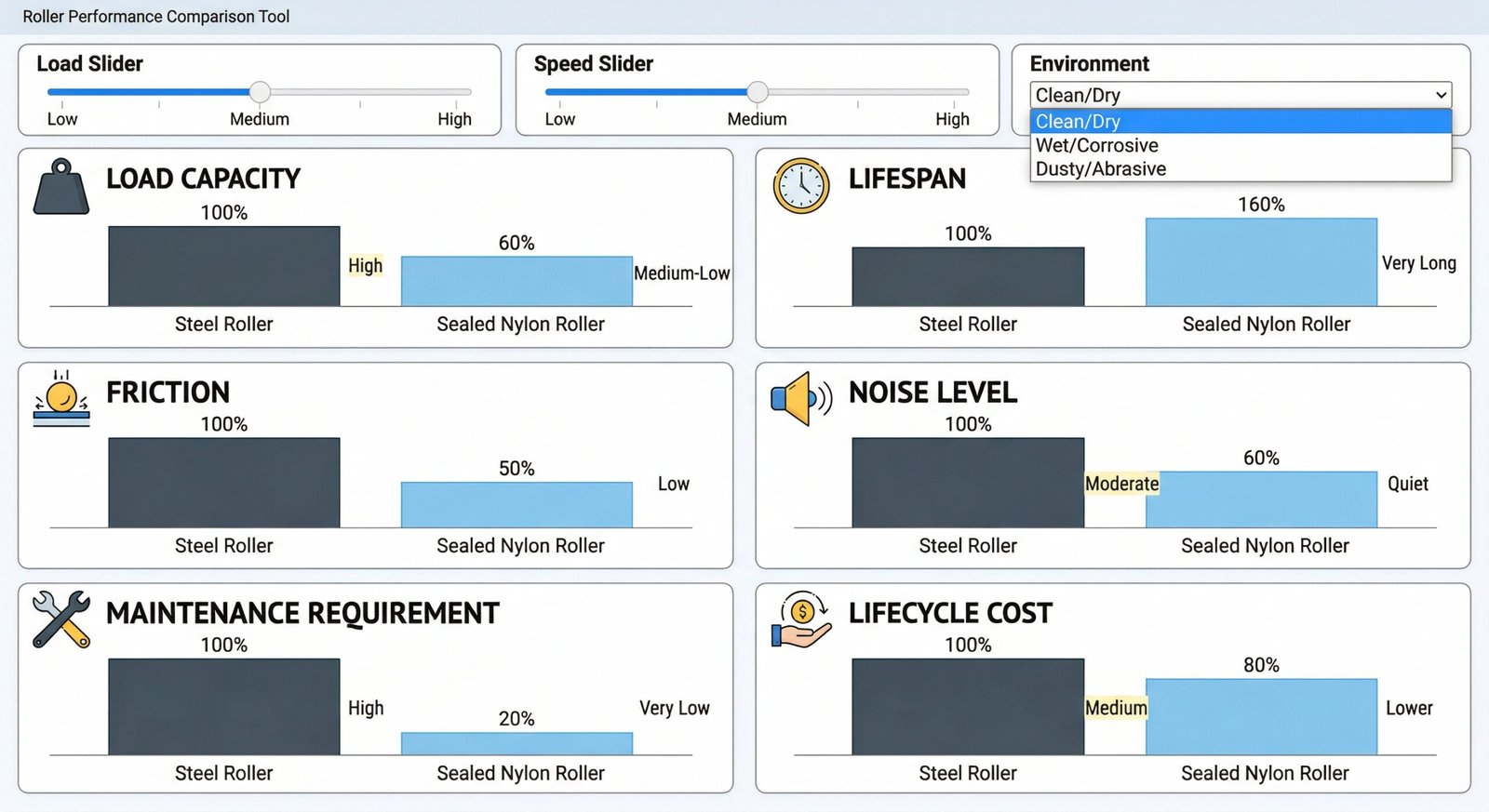
Upgrading to Sealed Nylon Rollers
If your door still has the original steel rollers, the Sand Canyon dust will eventually seize the unshielded bearings. This creates a "sliding" rather than "rolling" motion, which vibrates the entire garage assembly. We recommend a full conversion to nylon rollers with sealed ball bearings. These rollers are not only quieter, but the sealed casing prevents the fine canyon silt from entering the bearing race, ensuring a 10-to-15-year lifespan.
Torsion Springs and Kinetic Balancing
The torsion springs are the "muscles" of your garage door. They are under extreme tension and are responsible for doing 95% of the heavy lifting. In Sand Canyon, where doors are often oversized and heavy, spring health is paramount.
Understanding Kinetic Balancing
A door is "balanced" when the tension of the springs perfectly offsets the weight of the door. To test this, you should be able to pull your emergency release cord and lift the door halfway by hand. It should stay in place. If it falls or shoots upward, the kinetic balancing is off.
In the 91387, the heat affects the molecular structure of the spring steel over time, leading to "spring sag." When springs lose their tension, the motor—designed only to "guide" the door—is forced to "lift" the door. This results in the motor drawing higher amperage, which can melt the plastic gears inside the unit or trigger a logic board failure.
High-Cycle Spring Upgrades
For the heavy carriage doors found in Sand Canyon, standard 10,000-cycle springs are inadequate. We typically install high-cycle springs (25,000 to 50,000 cycles). These are made of thicker wire and larger mandrels, providing a much smoother lift and reducing the frequency of emergency repairs that always seem to happen at the most inconvenient times.
Sensitivities of the 91387: Sensors and Electronics
Modern garage door openers are essentially computers attached to a rail. In Sand Canyon, two factors threaten these electronics: the wind and the grid.
Photo-Eye Sensor Alignment in High Winds
photo-eye sensors are the safety "lasers" at the bottom of your tracks. Sand Canyon experiences significant wind gusts that can actually vibrate the tracks enough to knock these sensors out of alignment. Furthermore, dust buildup on the lenses is the #1 cause of doors refusing to close.
Protecting the Logic Board
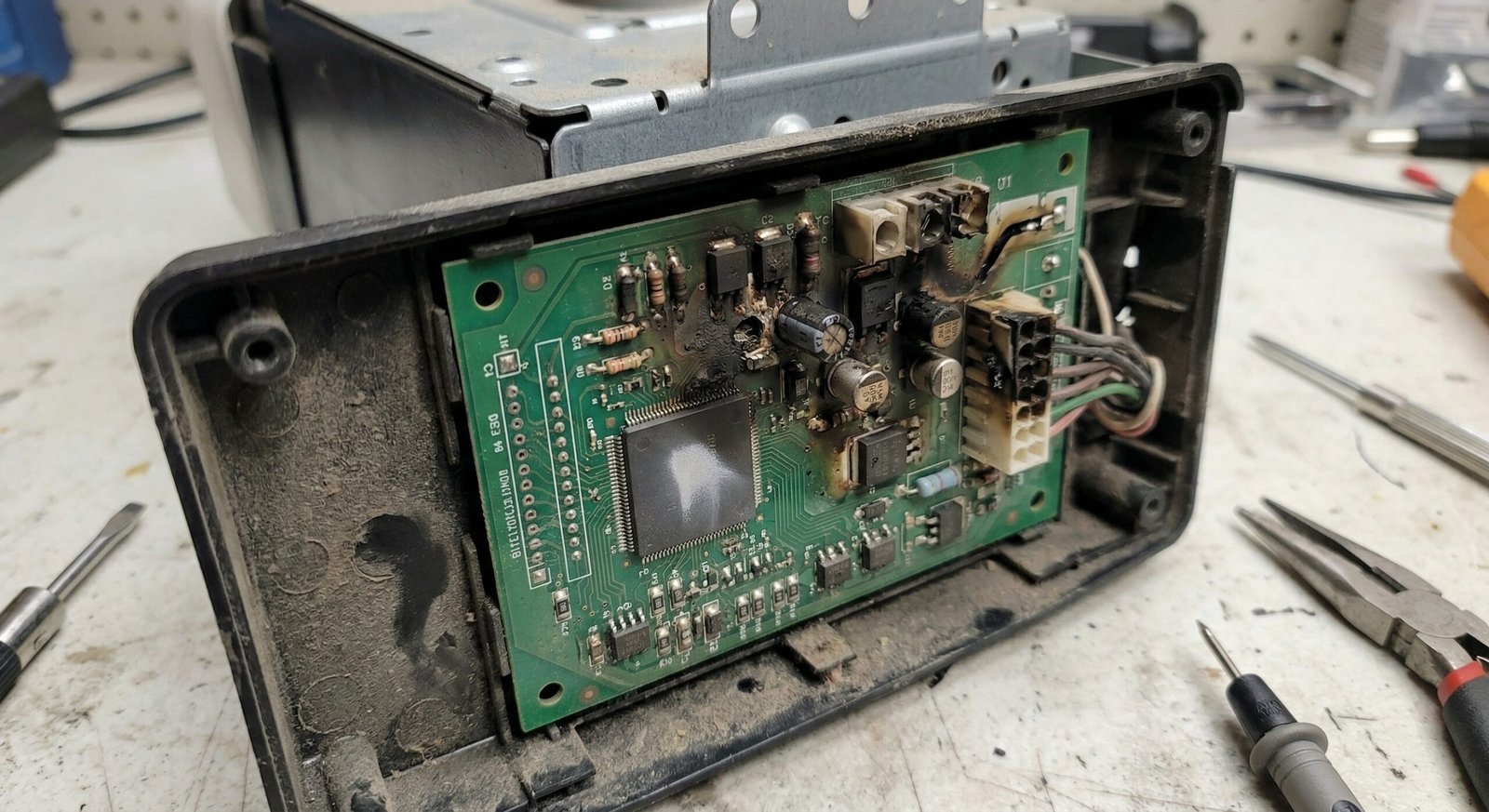
The electrical grid in the canyon areas can be volatile. Power surges, often following a high-wind shutoff or a summer thunderstorm, are the primary killers of logic boards. We highly recommend installing a dedicated garage door surge protector at the outlet. It is a $50 investment that can save you a $600 motor replacement.
Driveway Gates and Perimeter Maintenance
Many Sand Canyon properties are gated. Driveway gates utilize similar technology—logic boards, chains, and sensors—but are fully exposed to the elements.
- Hinge Lubrication: Gate hinges on equestrian properties deal with heavy loads and dust. They require heavy-duty marine-grade grease to prevent "gate sag."
- Chain Tension: Dust in the 91387 can cause gate chains to stretch or skip. Regular tensioning prevents the gate from crashing into the stop-post.
- Battery Backups: In fire-prone areas like Sand Canyon, a battery backup for your gate and garage door is not just a luxury—it is a safety requirement for emergency egress during a power outage.
Annual Maintenance Checklist for 91387
To keep your high-end systems operational through the SCV seasons, follow this checklist every 12 months:
- Visual Inspection: Check for frayed cables or rusted lag screws. On heavy timber doors, look for stress cracks in the wood panels.
- Tighten Hardware: The vibration from canyon winds loosens nuts and bolts over time. Tighten all hinges and track brackets.
- Lubrication (Dry Only): Apply PTFE spray to the springs, rollers, and hinges. Do not lube the tracks.
- Solvent Flush: If the tracks feel gritty, wipe them down with a solvent-soaked rag to remove silica buildup.
- Balance Test: Disconnect the motor and lift the door manually. It should feel "weightless."
- Sensor Audit: Clean the photo-eye lenses and ensure the mounting brackets are rigid.
- Bottom Seal Check: Look for daylight under the door. If you see light, the heat is escaping, and the dust is entering.
- Battery Backup Test: Unplug the unit and ensure it can still perform 5-10 cycles on battery power alone.
- Finish Check: For wood doors, perform the "water drop test." If water doesn't bead on the surface, it’s time for a re-seal.
- Force Setting Calibration: Ensure the motor’s safety reverse is functioning properly against an obstruction.