Newhall Garage Door Opener Failure Study
This Newhall garage door opener failure study explains the most common reasons a garage door opener stops working, including motor failure, logic board issues, gear failure, remote problems, keypad failure, wall button wiring, battery backup issues, travel limit problems, opener rail strain, broken springs, heavy doors, sensor failure, and doors that will not open or close. Next Hour Garage Door Repair Santa Clarita serves Newhall, Downtown Newhall, Happy Valley, Placerita Canyon, Santa Clarita, Valencia, Saugus, Canyon Country, Stevenson Ranch, Castaic, Hasley Canyon, and nearby areas.
Why Garage Door Openers Fail in Newhall
A garage door opener can fail because of an internal opener problem, but it can also fail because the garage door itself is too heavy, jammed, unbalanced, or affected by a broken spring. That is why opener diagnosis should include the motor, board, controls, rail system, sensors, travel limits, and the physical door system.
In Newhall homes, opener failure may also involve older opener systems, daily-use garages, heavy wood doors, low-headroom track setups, sensor wiring issues, battery backup failure, remote/keypad programming, and opener strain caused by poor door balance.
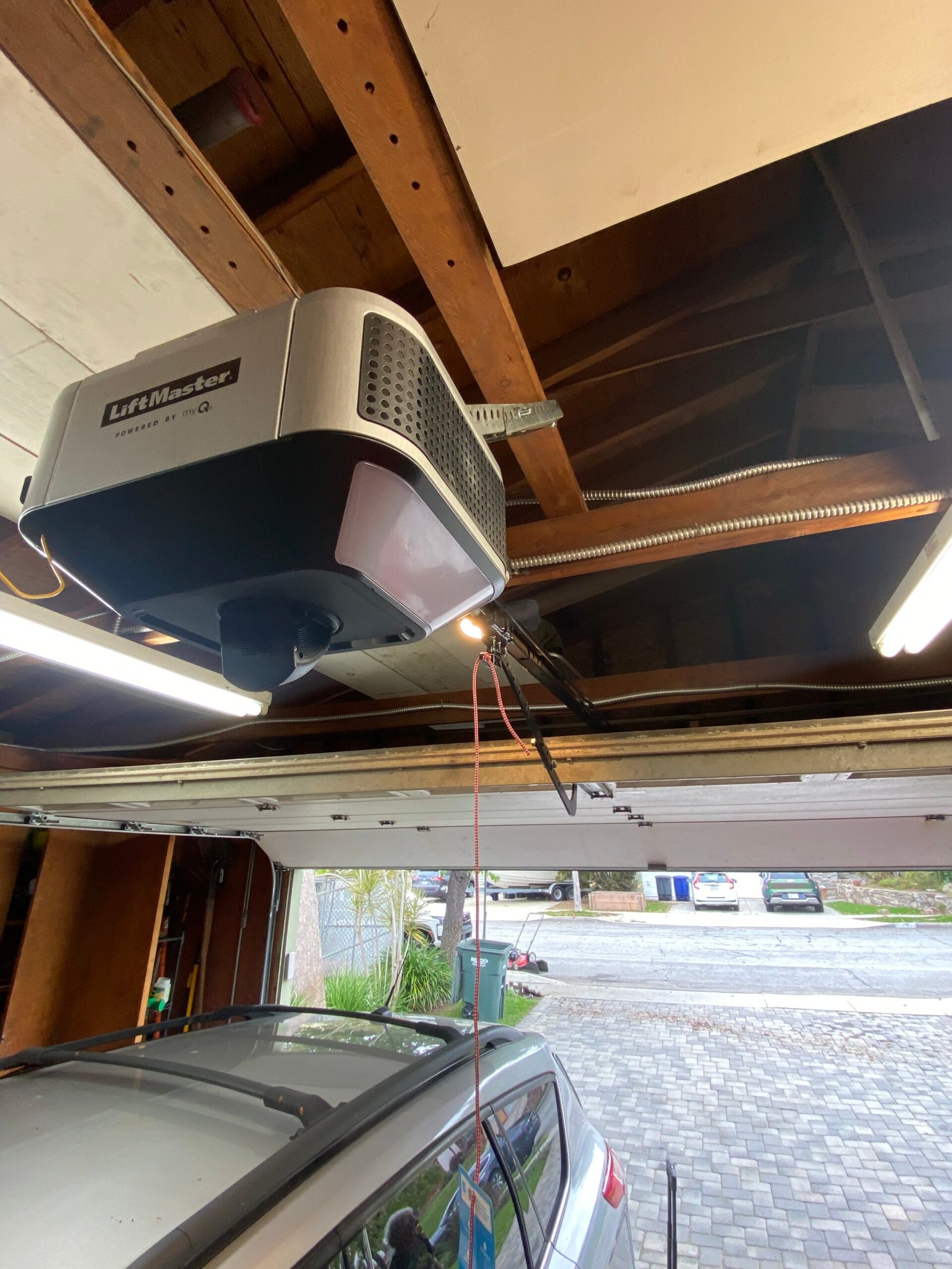
Common Garage Door Opener Failure Symptoms in Newhall
Homeowners may describe opener failure in different ways, but the root cause is often found by checking both the opener and the door.
Opener Hums But Door Does Not Move
This can happen when the motor is failing, the gear is stripped, the trolley is stuck, or the door is too heavy from a spring issue.
Remote or Keypad Not Working
Control problems may involve batteries, programming, receiver failure, keypad wiring, lock mode, or logic board issues.
Wall Button Has No Response
A wall button issue may involve low-voltage wiring, lock mode, terminal problems, opener board failure, or power loss.
Opener Lights Flashing
Flashing opener lights often point to sensor safety circuit problems, blocked photo eyes, or wiring issues.
Door Stops or Reverses
Reversal can be caused by sensors, travel limits, force settings, track resistance, roller drag, or cable tension problems.
Battery Backup Failure
Backup battery problems can affect access during power outages and may create warning beeps or weak opener response.
Opener Failure Is Not Always an Opener-Only Problem
One of the biggest mistakes homeowners make is replacing opener parts before checking the garage door balance. A broken spring, loose cable, worn rollers, bent track, custom wood door, or low-headroom track problem can make the opener look weak even when the door system is the real cause.
Before replacing an opener, the door should be tested manually, checked for spring balance, inspected for cable tension, and reviewed for roller and track resistance.
Newhall Garage Door Opener Failure Study Table
Use this table to understand common opener failure scenarios and what should be checked during diagnosis.
| Opener Failure Scenario | What Homeowners Notice | What Should Be Checked | Priority |
|---|---|---|---|
| Motor Hums But Door Does Not Move | Opener makes noise, rail shakes, or door barely lifts. | Door balance, broken spring, motor, gear, trolley, rail, opener arm, rollers, tracks, and cables. | Urgent |
| Logic Board or Receiver Failure | Opener loses programming, remotes stop working, or response becomes inconsistent. | Logic board, receiver, remote programming, power source, wiring, wall button, keypad, and surge symptoms. | Medium-High |
| Remote or Keypad Failure | Remote has weak range, keypad fails, or opener only responds from one control. | Batteries, programming, keypad wiring, receiver, lock mode, antenna, and opener board. | Control Diagnosis |
| Wall Button Failure | Wall control has no response or only works intermittently. | Wall button, low-voltage wiring, terminals, lock mode, opener board, and power supply. | Medium |
| Travel Limit or Force Issue | Door stops early, reverses, or does not fully open or close. | Travel limits, force settings, rollers, tracks, cable tension, door balance, weather seal contact, and sensors. | High |
| Sensor-Related Opener Failure | Opener lights flash, sensors blink, or door will not close. | Sensor alignment, wiring, brackets, safety circuit, opener board, closing path, and track resistance. | Urgent if stuck open |
| Battery Backup Issue | Opener beeps, battery warning appears, or opener fails during outage. | Battery condition, charging circuit, opener compatibility, wiring, power source, and backup operation. | Preventive / Access |
Newhall Opener Failure Red Flags
- The opener hums but the door does not move
- The rail shakes or opener sounds strained
- The door opens only a few inches
- The remote and keypad both fail
- The wall button has no response
- The opener lights flash when closing
- The opener lost programming
- The door is heavy when disconnected from the opener
Why Diagnosis Matters Before Replacing an Opener
A garage door opener replacement may not fix the problem if the real cause is a broken spring, heavy door, cable tension issue, roller drag, track resistance, or sensor failure. A proper opener diagnosis starts with the door system, then moves into the opener motor, logic board, controls, battery backup, rail, trolley, and safety circuit.
This prevents replacing a motor when the door is actually too heavy or replacing remotes when the opener receiver or wall button wiring is the problem.
Opener Failure vs Door System Failure
A failing opener and a failing door system can look very similar. This comparison helps homeowners separate the two.
Likely Opener Failure When
- The door is balanced manually but the opener has no response
- Remote, keypad, or wall button fails after programming
- The opener clicks or hums without trolley movement
- The logic board loses memory or receiver function
- Battery backup fails during outage
- Motor or gear failure is confirmed after door balance test
Likely Door System Failure When
- The garage door feels very heavy manually
- The door opens only a few inches
- A spring has a visible gap
- Cables are loose or uneven
- Rollers drag or the track binds
- The opener rail shakes because the door is overloaded
Newhall-Specific Opener Failure Observations
Newhall homes may include older opener systems, hillside garages, detached garages, attached garages, custom wood garage doors, low-headroom track setups, and garages used as daily home entry points. These conditions can affect opener selection, opener load, travel limits, battery backup needs, rail clearance, and sensor reliability.
In older or heavier garage door systems, opener repair should include a careful door balance test and a review of spring support, rollers, cables, track movement, wall button wiring, and sensor alignment.
Newhall Garage Door Local Study Pages
These Newhall local study pages help homeowners compare the most common garage door repair problems, including repair cost factors, broken spring issues, opener failure, sensor failure, older home garage door needs, and low-headroom track problems. Use these studies to understand the likely cause before scheduling garage door repair near Newhall.
Opener Failure Factors Included in This Study
These examples show why opener repair should include motor, controls, sensors, door balance, and hardware review.
Motor & Motherboard
Motor and board problems can affect opener response, programming, and lifting operation.
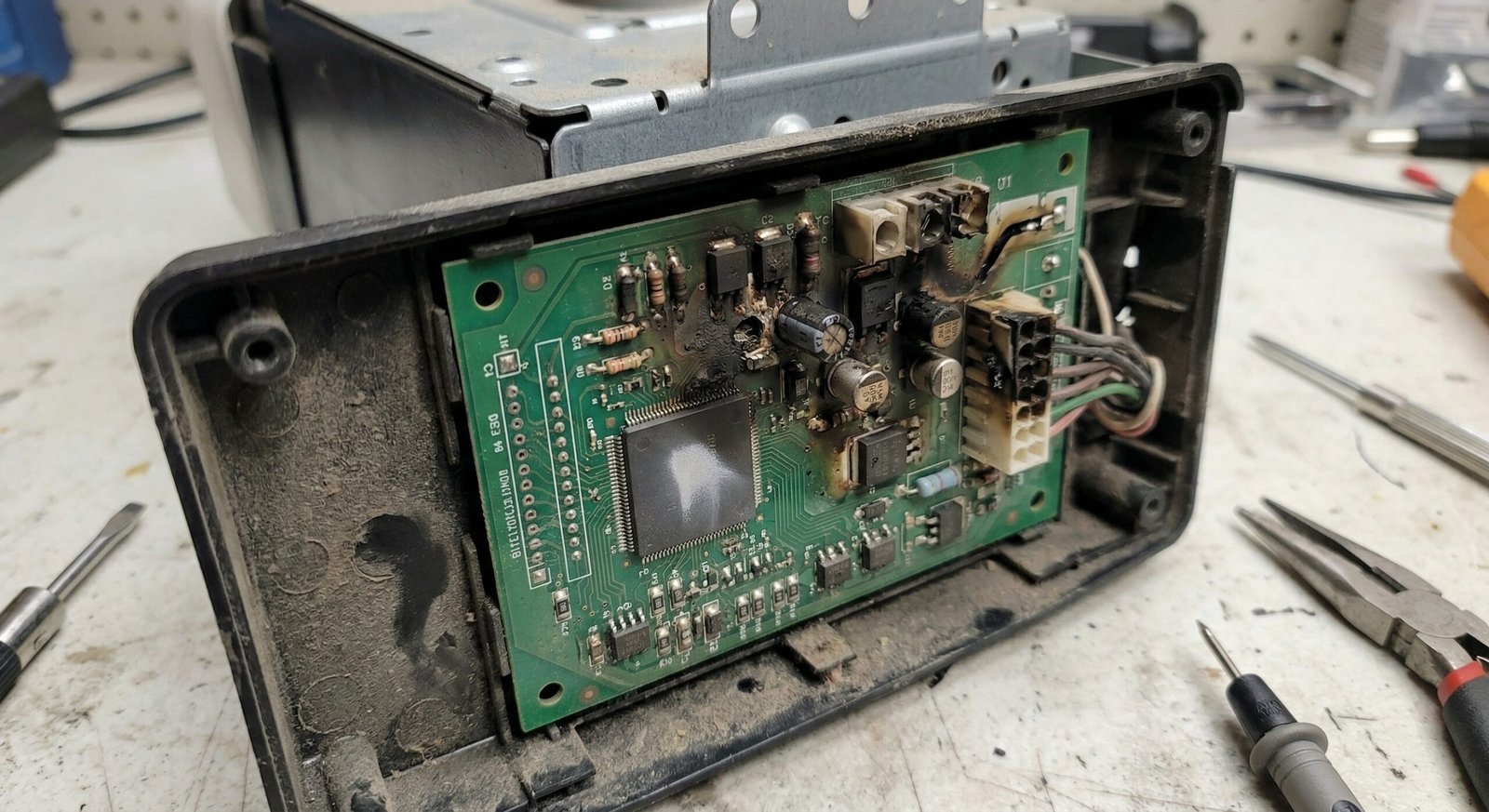
Logic Board Failure
Logic board issues can create remote failure, weak response, lost programming, or no opener response.
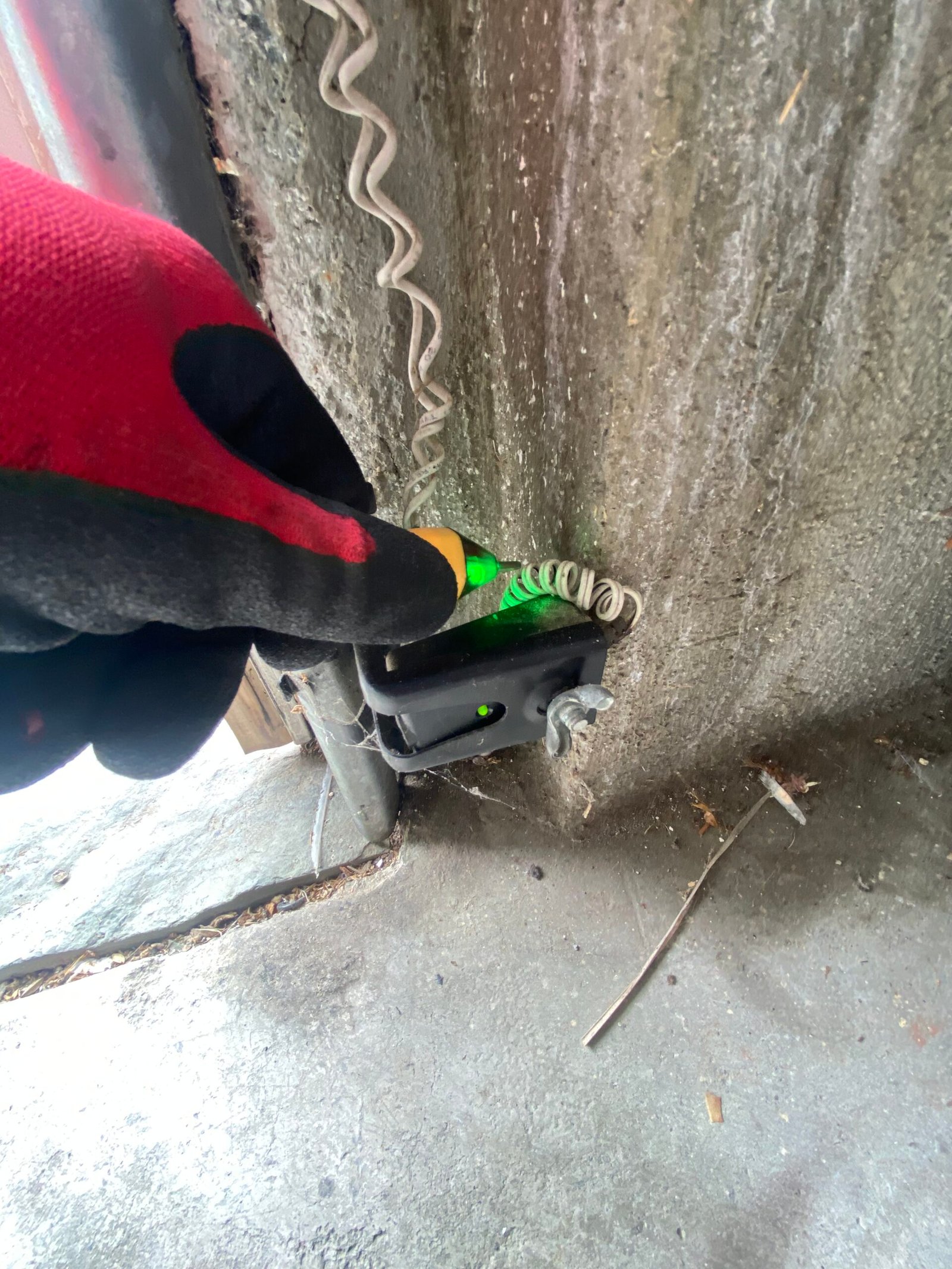
Sensor Safety Circuit
Sensor problems can make the opener lights flash and stop the door from closing.
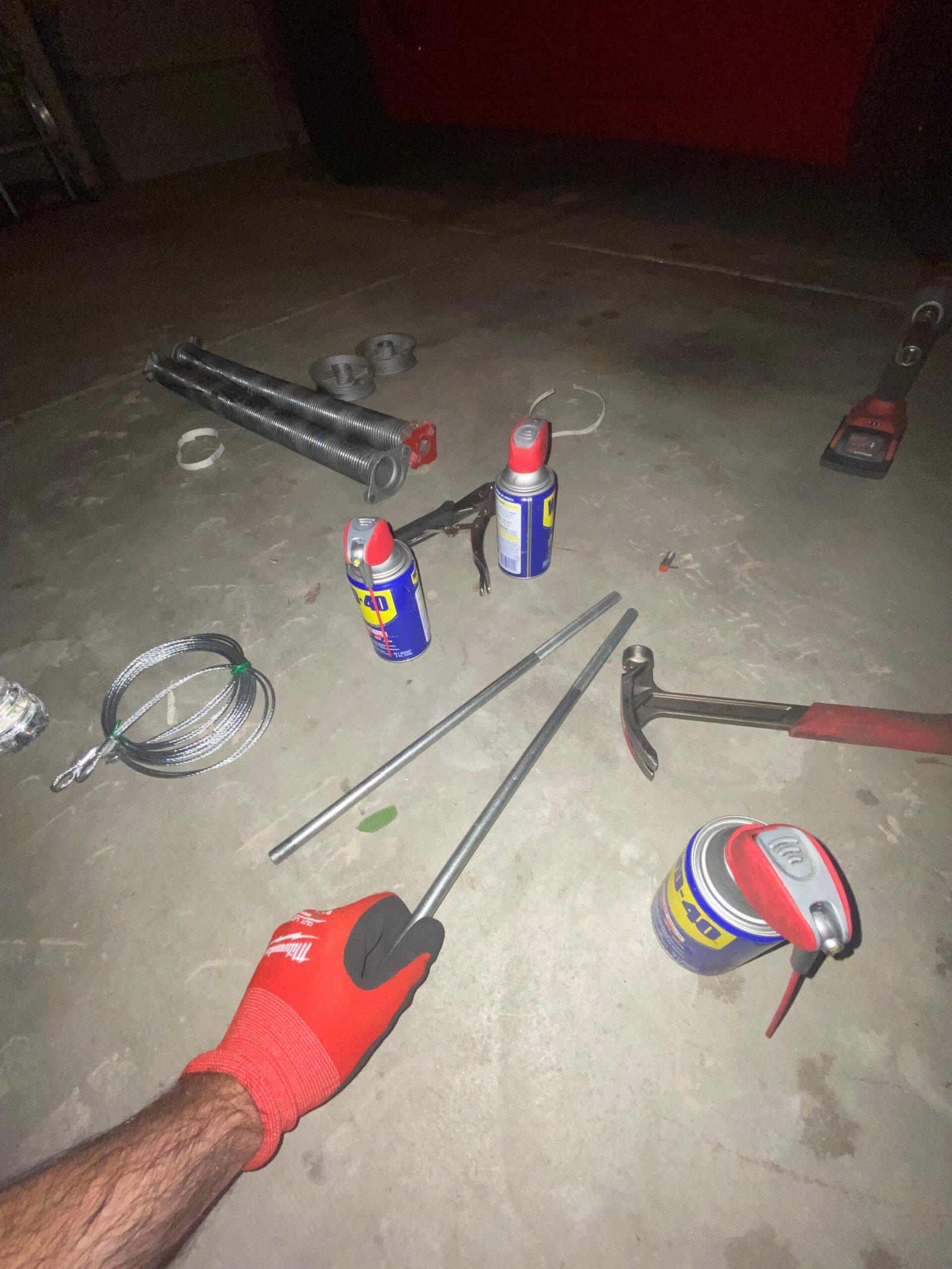
Broken Spring Strain
A broken spring can make the opener look failed because the door becomes too heavy.
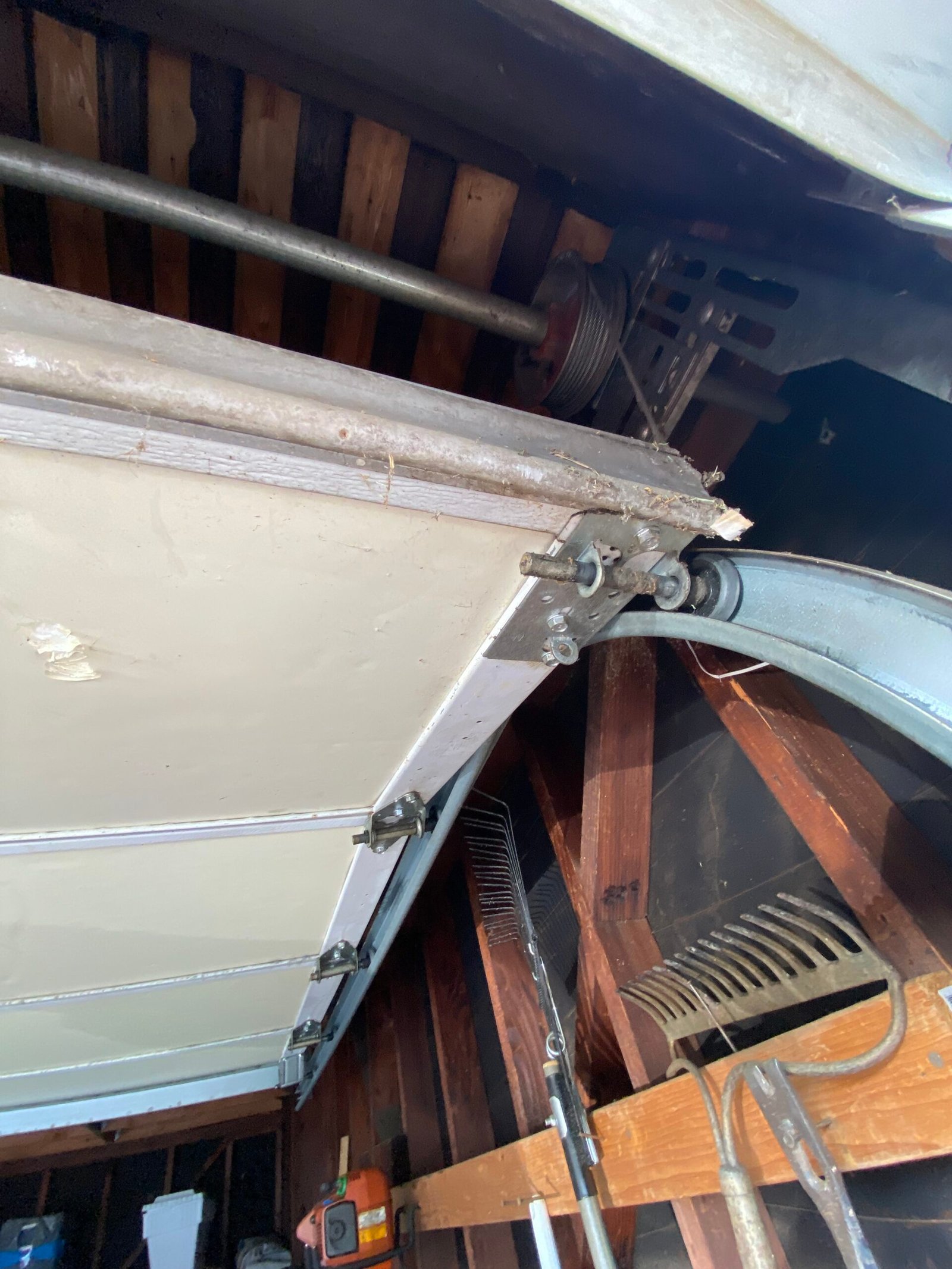
Roller & Cable Drag
Dragging rollers and cable issues can overload the opener and stop smooth travel.
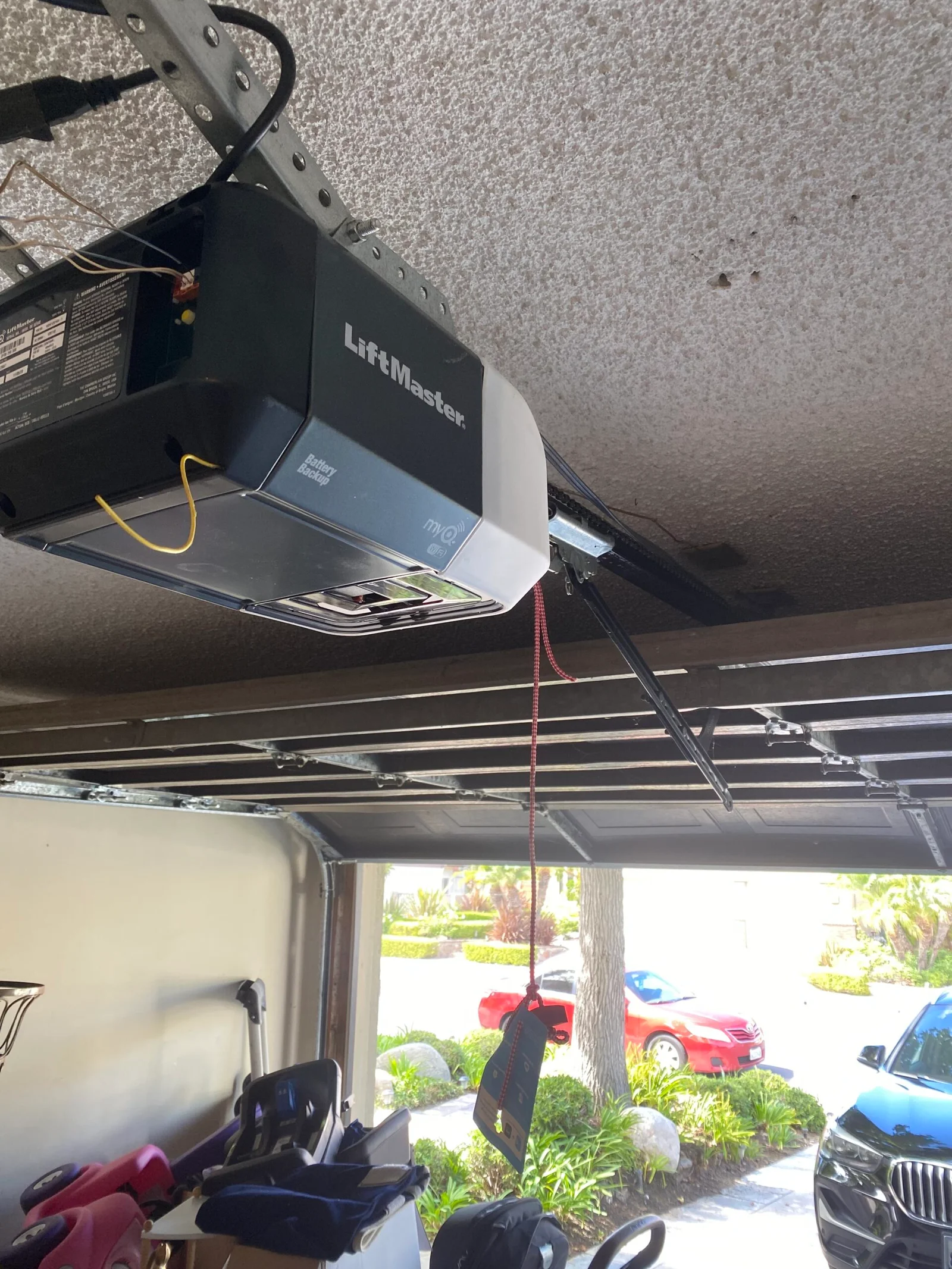
Battery Backup Systems
Backup battery, smart opener, and replacement opener needs should match the door weight and daily use.
Newhall Garage Door Opener Failure Study Area
This local study applies to opener failure factors in Newhall and nearby Santa Clarita Valley areas, including opener motors, logic boards, remotes, keypads, wall buttons, battery backup, travel limits, sensors, broken spring strain, heavy doors, rollers, tracks, and emergency access issues.
Newhall Garage Door Opener Failure Study FAQs
Common questions homeowners ask about garage door opener failure near Newhall.
Why does my garage door opener hum but the door does not move?
The opener may have a motor, gear, rail, or trolley problem, but the door may also be too heavy because of a broken spring, loose cable, roller drag, or poor balance.
Why did my remote and keypad stop working?
Remote and keypad failure can involve batteries, programming, receiver problems, antenna issues, lock mode, keypad wiring, or opener logic board failure.
Can a broken spring damage the opener?
Yes. If the opener is used after a spring breaks, the motor, gear, rail, trolley, and opener arm can be strained.
Why do my opener lights flash when closing?
Flashing opener lights often indicate a safety sensor problem, blocked photo eye path, wiring issue, opener safety circuit issue, or closing path resistance.
Should door balance be checked during opener repair?
Yes. Door balance should be checked before replacing opener parts because a heavy or unbalanced door can make the opener look weak.
Can low-headroom tracks affect opener performance?
Yes. Low ceiling clearance can affect opener rail fit, opener arm angle, trolley travel, and smooth door movement.
Can same-day opener repair be available near Newhall?
Same-day diagnosis may be available depending on scheduling, opener condition, door condition, part availability, and safety risk.
Need Garage Door Opener Failure Diagnosis in Newhall?
Call Next Hour Garage Door Repair Santa Clarita | Garage Spring & Opener Repair for Newhall garage door opener repair, motor failure diagnosis, logic board review, remote and keypad troubleshooting, wall button wiring checks, battery backup opener help, sensor testing, door balance inspection, and opener strain repair support.
Call Now: (661) 449-2694