High-Cycle vs. Standard Torsion Springs: What’s Best for Your 91387 Home?
In the expansive equestrian estates and sprawling high-desert properties of Sand Canyon (91387), the garage door system is subjected to a mechanical gauntlet unlike anywhere else in the Santa Clarita Valley. For homeowners in this zip code, a garage door isn't just a utility—it is a massive structural component, often featuring heavy timber doors or carriage-style overlays that can weigh upward of 800 pounds. Geography and climate in Sand Canyon dictate a different set of engineering rules; standard, builder-grade hardware is simply not equipped to survive the extreme SCV summer heat and high-velocity canyon winds.
As a master technician with 20 years of experience serving the ridgetop homes and canyon reaches of Santa Clarita, I’ve seen thousands of "standard" springs snap prematurely. When you’re dealing with a custom wood door, the choice between a standard and high-cycle spring isn't just about price—it’s about metallurgical integrity and the safety of your property. In the 91387, your choice of torsion springs is the difference between a silent, reliable system and a catastrophic mechanical failure that leaves your vehicles trapped and your motor fried.
The Metallurgy of the Canyon: Why Standard Springs Struggle
A standard torsion spring is typically rated for 10,000 cycles. While that might last 7 to 10 years in a mild coastal suburb, the Sand Canyon environment accelerates metallurgical fatigue at an alarming rate. One "cycle" is a single opening and closing of the door. Between service vendors, equestrian trail access, and daily commuting, a high-end estate door often cycles 5 to 8 times per day.
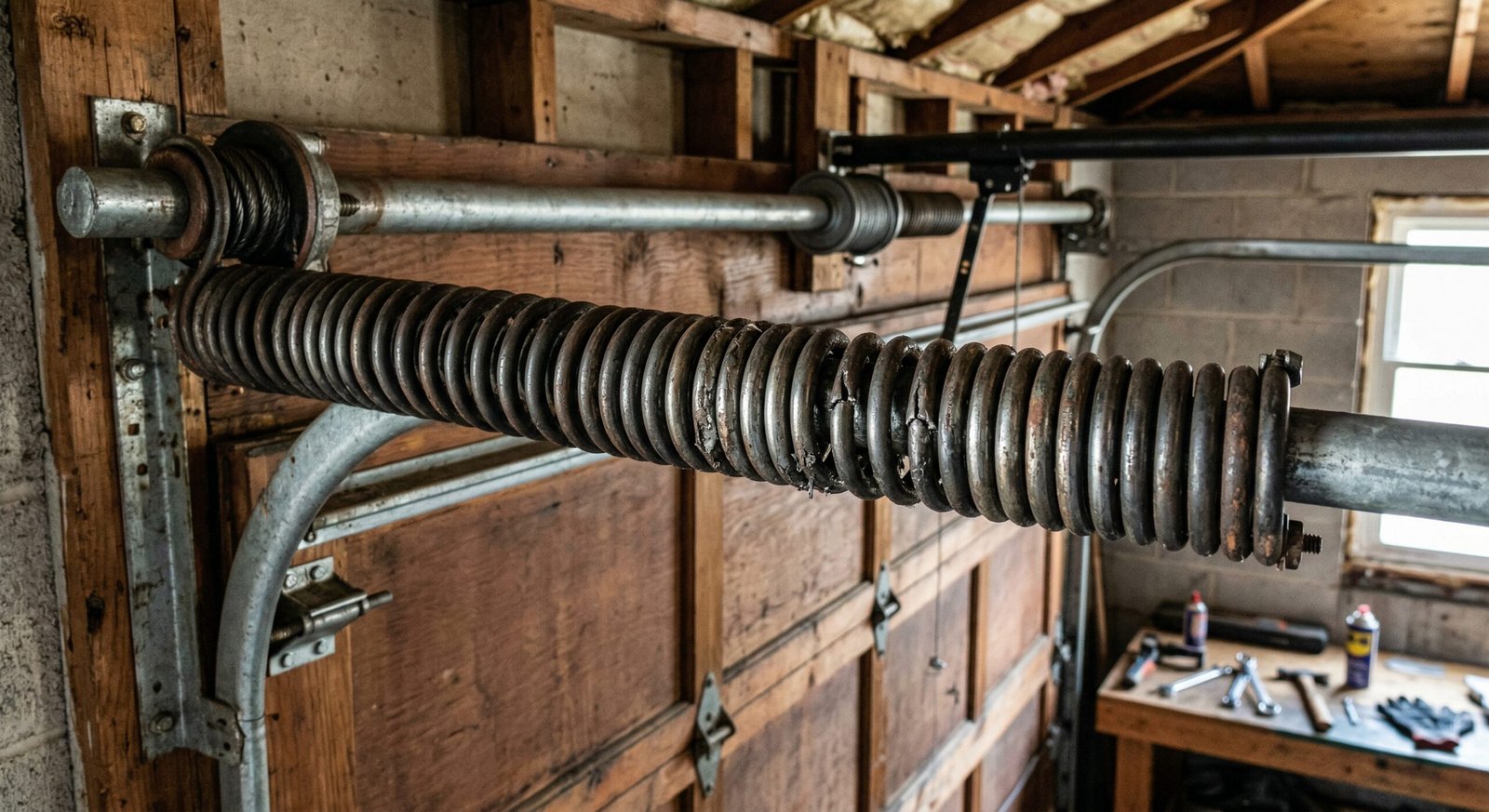
Fig 1. A snapped builder-grade spring failing to support the weight of a custom carriage door.
Thermal Fatigue and the SCV Summer
The extreme SCV summer heat is a silent killer of spring steel. When internal garage temperatures in Sand Canyon climb past 130°F, the steel molecules in standard springs expand. As the temperature drops 40 degrees at night, they contract. This relentless thermal cycling makes the steel brittle. A high-cycle spring is made of thicker wire and larger mandrels, allowing it to distribute the mechanical load across more steel, significantly reducing the risk of heat-induced snapping. These are typically rated for 25,000 to 50,000 cycles, providing the "over-engineered" peace of mind that 91387 homes require.
Kinetic Balancing: The Key to System Longevity
Your garage door motor is not designed to lift the door; it is designed to guide it. The torsion springs do 95% of the heavy lifting. This brings us to the concept of kinetic balancing. A door is in balance when the springs perfectly offset the dead weight of the timber.
Protecting Wood Doors from Summer Heat
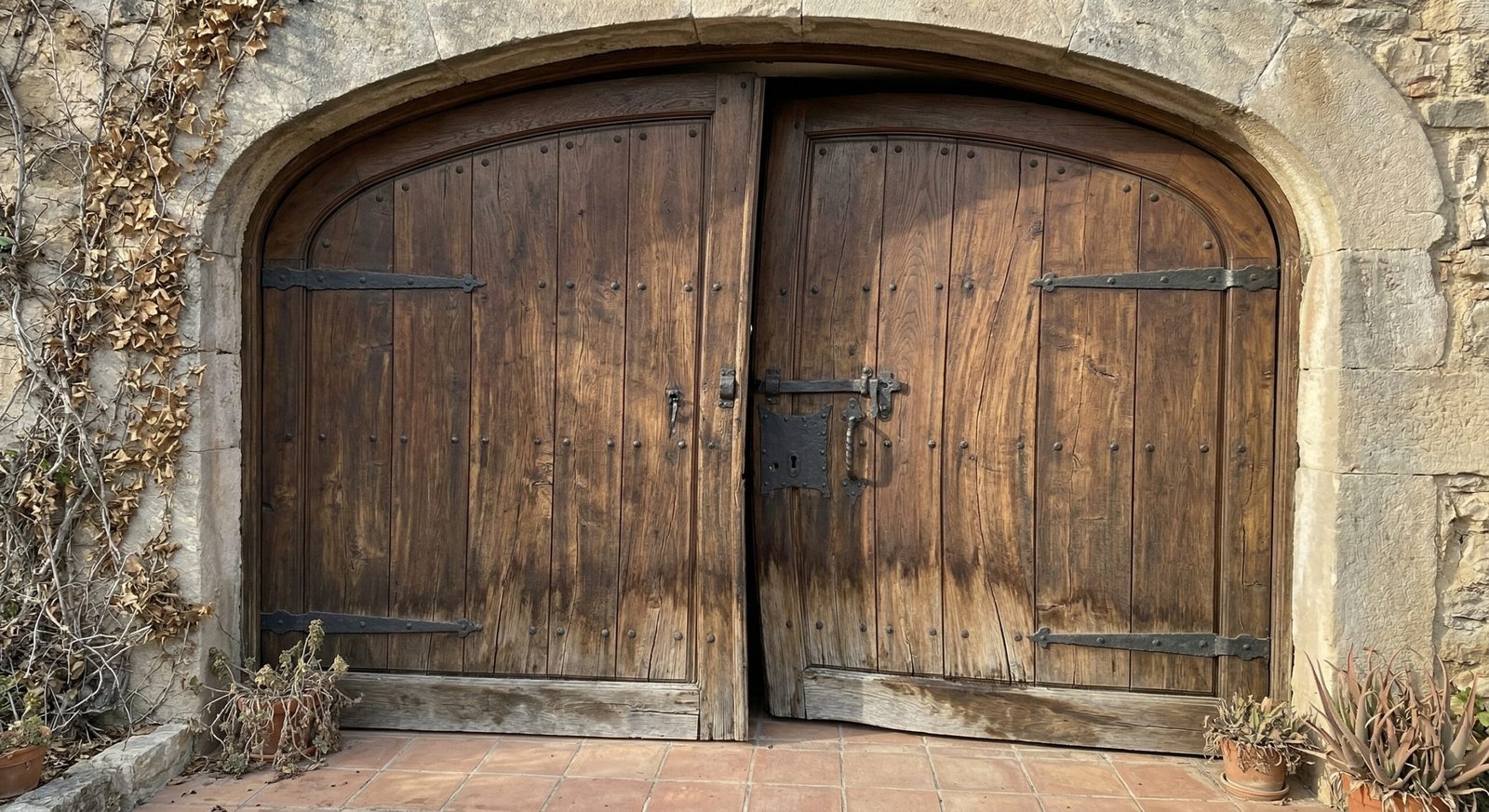
Heavy wood doors in Sand Canyon absorb moisture during winter mist events and bake in the summer sun. This causes the wood to swell and shrink, shifting the door’s weight throughout the year. If your springs aren't precisely calibrated to these fluctuations, the door becomes "heavy." An unbalanced door puts lethal strain on the logic boards of your automatic opener. High-cycle springs maintain their tension much longer than standard springs, ensuring your heavy timber doors stay weightless and your motor’s internal gears don’t strip under the load.
Environmental Threats: Dust, Wind, and 91387 Physics
Sand Canyon is a wind tunnel for silica dust and equestrian debris. This fine silt enters your garage and settles into every moving part. Standard unshielded hardware is the first to fail under these conditions.
Combatting Sand Canyon Dust in Your Tracks
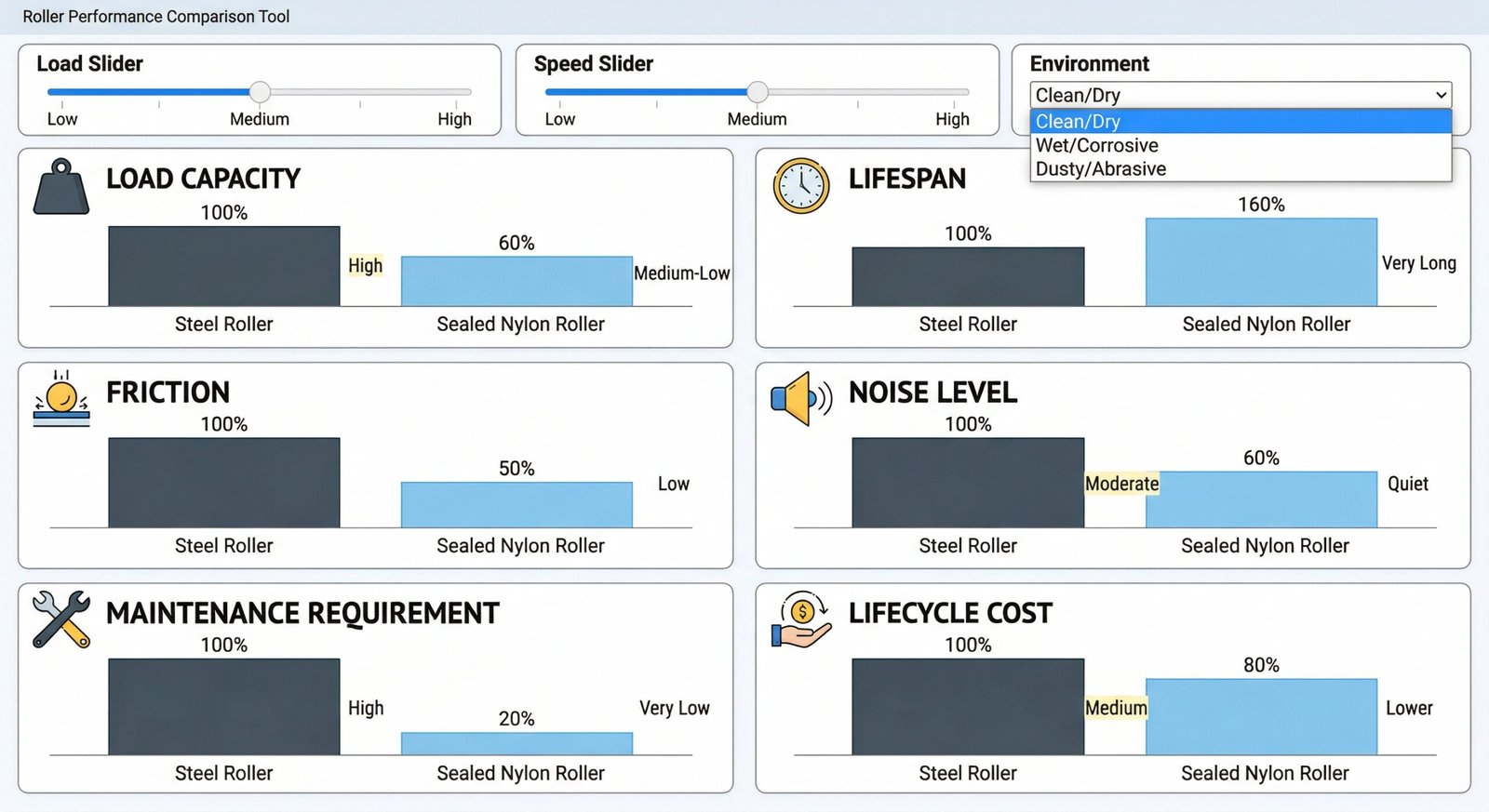
When dust mixes with traditional white lithium grease, it creates a thick, abrasive paste that grinds down your hardware. We strictly perform track solvent flushes to strip away this sludge. To ensure the springs can do their job without fighting friction, we upgrade our clients to nylon rollers with sealed ball bearings. These rollers act as shock absorbers for canyon wind vibration and ensure the door glides silently through the silica-heavy air of the 91387.
Protecting the 'Brain': Logic Boards and Photo-Eye Sensors
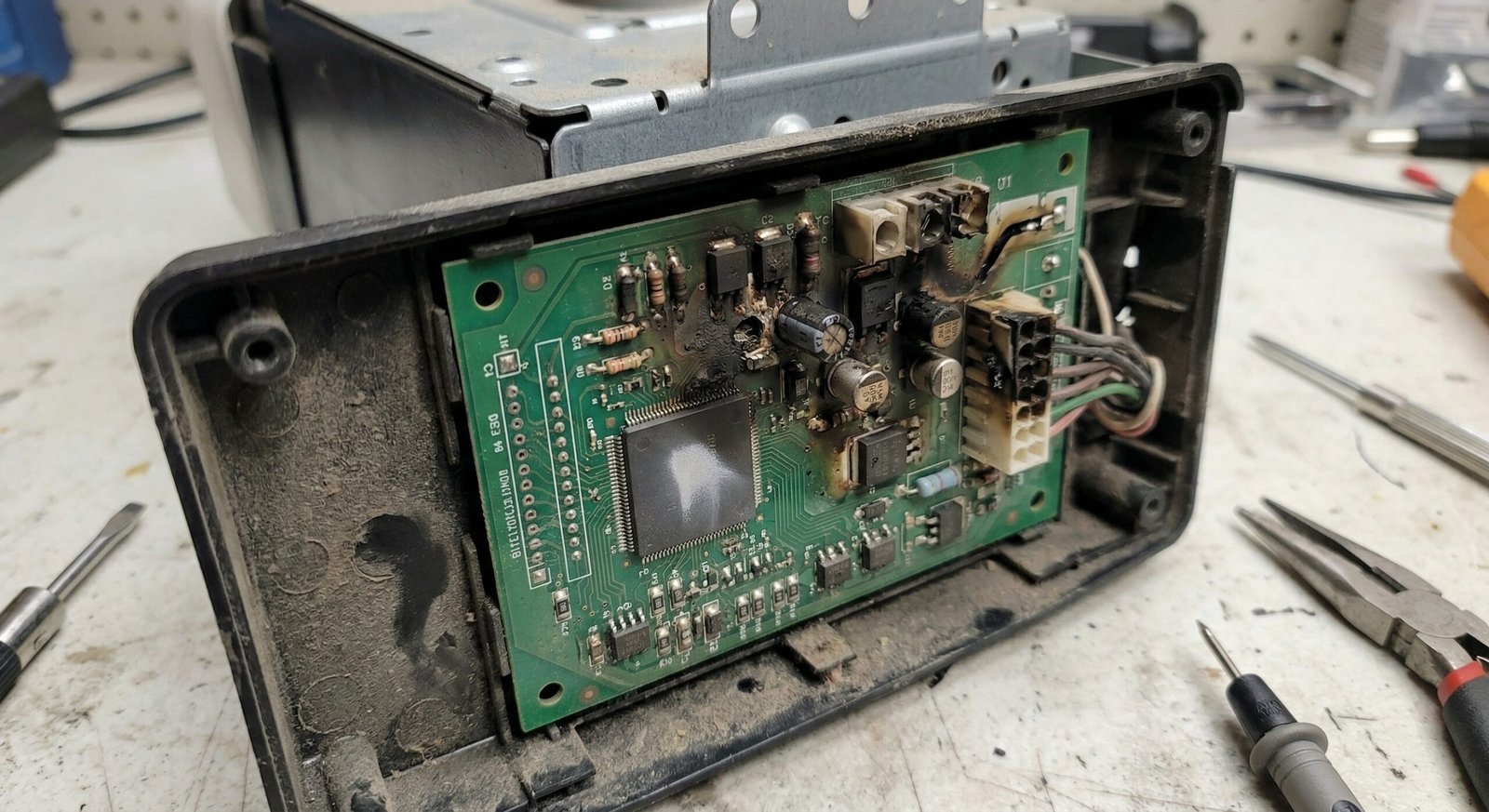
When a spring is nearing the end of its life, it begins to "sag." This sag forces the motor to draw higher amperage to lift the door. In the heat of a Sand Canyon summer, this extra amperage often fries the sensitive logic boards in modern smart openers. Furthermore, the vibration from a struggling, unbalanced door can misalign photo-eye sensors, causing the door to stop and reverse intermittently.
Upgrading Your Weatherstripping and Bottom Seals
Standard builder-grade weatherstripping melts and cracks in the 91387 sun. Upgrading to high-grade EPDM rubber bottom seals is essential. A tight seal prevents the abrasive canyon dust from entering the garage, protecting the springs from corrosion and the photo-eye sensors from being "blinded" by blowing debris. It also prevents the thermal spikes that accelerate spring fatigue.
91387 Annual Maintenance Checklist
- Kinetic Balance Test: Lift the door halfway manually. It should stay. If it crashes, your springs are fatigued.
- Torsion Spring Audit: Inspect coils for gaps or "pinging" sounds that indicate metallurgical stress.
- Track Solvent Flush: Strip silica dust and old, hardened grease from the vertical and horizontal tracks.
- Nylon Roller Audit: Check for flat spots or seized bearings that add drag to the system.
- Weatherstripping Integrity: Verify perimeter seals haven't baked and cracked in the SCV sun.
- Bottom Seal Pliability: Ensure the seal isn't "baked" onto the driveway, causing the door to surge.
- Hardware Torque Audit: Tighten all lag bolts; heavy wood doors vibrate hardware loose in high winds.
- Logic Board Surge Check: Confirm the opener is protected by a dedicated surge suppressor.
- Photo-Eye Lens Polish: Clean lenses and secure brackets against high-velocity canyon wind vibration.
- Battery Backup Cycle: Verify SB-969 compliance by testing the motor during a simulated power outage.
In the high-stakes environment of Sand Canyon, "standard" is often synonymous with "temporary." If you are managing an estate in the 91387, your garage door system is likely moving more weight and fighting more environmental friction than 95% of the doors in California. High-cycle torsion springs are the only logical choice for heavy timber doors, providing the mechanical overhead required to handle the heat, the wind, and the inevitable weight shifts of custom wood. Protecting your motor, your vehicles, and your peace of mind starts with acknowledging the physics of the canyon.
Is Your Heavy Door Winning the War Against Your Springs?
Don't wait for the snap that leaves your car trapped and your motor fried. Get a localized kinetic audit today.
Schedule a Kinetic Audit