
Troubleshooting Your Sand Canyon Driveway Gate: Top 3 Reasons Your Motor is Failing
In the exclusive equestrian estates and sprawling high-desert properties of Sand Canyon (91387), a driveway gate is more than just a convenience; it is the frontline of your estate’s security and curb appeal. However, the same rugged beauty that defines the **91387** microclimate—the winding trails, the sandstone washes, and the ridgeline vistas—presents a mechanical nightmare for automatic gate operators. When you have a massive iron or heavy timber door guarding your perimeter, the motor powering that system is under constant environmental siege.
The **extreme SCV summer heat**, high-velocity wind funnels, and pervasive silica dust create a mechanical "perfect storm" that is vastly different from the conditions on the Santa Clarita valley floor. As a master technician with 20 years of experience serving Sand Canyon’s most demanding properties, I have seen standard gate motors fail in half their expected lifespan due to a lack of localized engineering focus. Understanding why your motor is struggling requires looking past general troubleshooting and focusing on the physics of the canyon.
1. Thermal Overload and Logic Board Failure
The most common killer of driveway gates in Sand Canyon is the relentless SCV sun. Most gate operators are housed in dark metal or plastic chassis, which act as solar ovens during July and August.
Protecting Electronics from the Extreme SCV Summer Heat
When the ambient temperature in the canyon hits 105°F, the internal temperature of your gate’s logic board can easily soar past 150°F. Electronic components are not designed to operate in these conditions indefinitely. Over time, the thermal load causes the solder joints to crack and the capacitors to swell. This leads to "intermittent" failures, where the gate might work in the cool morning but refuses to budge by 3:00 PM.
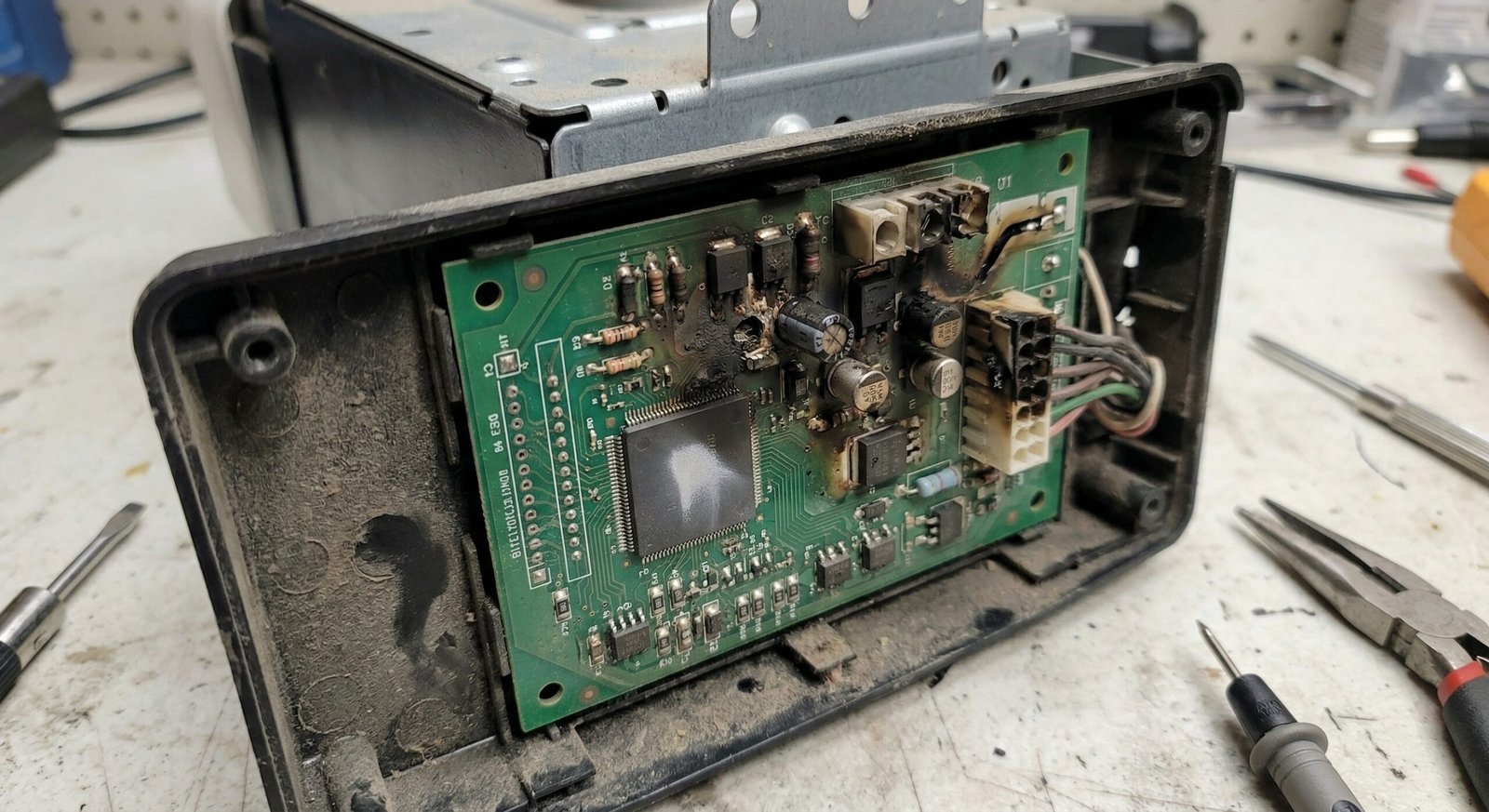
Fig 1. Thermal degradation on a gate operator logic board after a Sand Canyon heatwave.
The Grid Surge Factor
Sand Canyon’s electrical grid can be volatile, especially during high-wind events and fire-safety power shutoffs. When the power surges back on, the electrical spike hits the already heat-weakened logic board. Without a dedicated surge suppressor and high-cycle battery backup, your motor’s "brain" is effectively cooked. This is why we prioritize industrial-grade boards with higher thermal tolerances for our **91387** estate clients.
2. Mechanical Friction: The Silent Motor Killer
In Sand Canyon, your gate isn't just moving; it’s fighting. Whether it’s a sliding gate on a track or a swing gate on hinges, friction is the primary mechanical enemy. Unlike garage systems that rely on torsion springs for kinetic balancing, gate motors often bear the full brunt of the gate's dead weight.
Combating Sand Canyon Dust in Your Tracks
If your estate is near the wash or equestrian trails, silica dust is a permanent resident in your gate’s mechanical components. Homeowners often make the mistake of applying heavy grease to gate chains or sliding tracks. In Sand Canyon, this is a fatal error. The grease acts as a magnet for dust, creating a thick, abrasive paste that grinds down the motor’s internal gears.
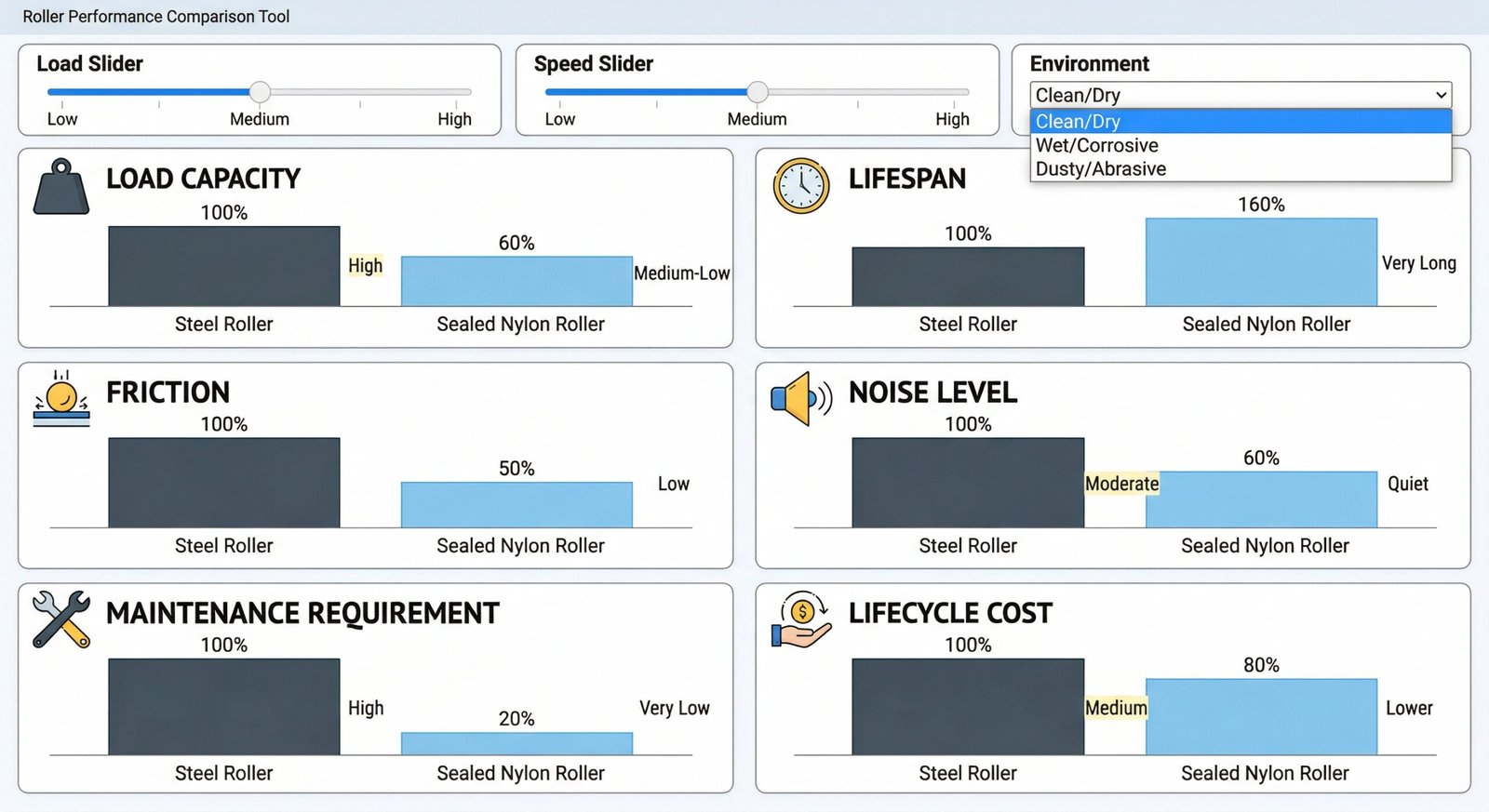
Fig 2. How silica dust infiltrates standard hardware, leading to seized motor assemblies.
The Need for Track Solvent Flushes
To keep a gate motor healthy, the tracks and hinges must be clínica. We perform track solvent flushes to strip away the abrasive "sludge" formed by old grease and canyon silt. Once clean, we utilize dry PTFE lubricants. This ensures that the gate moves with minimal resistance. If your motor is "humming" but the gate isn't moving, it is likely trying to overcome the massive friction caused by dust-choked hardware. For garage doors, we solve this with nylon rollers; for gates, it requires pristine track management.
3. Sensor Blindness and Wind-Induced Logic Errors
Your driveway gate relies on a suite of safety devices to operate correctly. In the **91387**, these sensors are frequently the cause of "false" motor failures.
Photo-Eye Sensors and Canyon Glare
Driveway gates use photo-eye sensors to prevent the gate from closing on a vehicle or horse. In Sand Canyon, the intense glare of the setting sun can actually "blind" the infrared beam of the sensors. The motor’s logic board interprets this as an obstruction and refuses to close the gate. Furthermore, the high canyon winds can vibrate the sensor posts out of alignment. If the beam isn't perfectly centered, the motor won't engage.
Weatherstripping and Bottom Seals for Gate Housed Units
Many gate operators have internal limit switches that are sensitive to moisture and debris. If the operator's enclosure has failed **weatherstripping** or degraded **bottom seals**, the fine canyon dust enters the cabinet. This dust can coat the limit switches, preventing the motor from knowing when the gate is fully open or closed. The result? A motor that runs indefinitely until it burns out or a gate that stops halfway through its cycle.
91387 Driveway Gate Maintenance Checklist
- Logic Board Inspection: Check for signs of heat discoloration or swollen capacitors on the circuit board.
- Track Solvent Flush: Clean all sliding tracks or swing hinges of old, dust-heavy grease.
- Battery Backup Test: Ensure the battery can handle 5+ cycles during a power outage (essential for 91387 safety).
- Photo-Eye Sensor Polish: Wipe lenses and verify alignment; secure mounting posts against wind vibration.
- Chain/Screw Drive Tension: Ensure the drive mechanism is not sagging, which puts axial load on the motor.
- Enclosure Seal Check: Inspect the operator housing for cracked seals that allow dust infiltration.
- Surge Protection Audit: Confirm a dedicated surge suppressor is installed to protect against grid volatility.
- Manual Release Operation: Verify you can manually open the gate in case of total motor failure.
- Hinge Lubrication: Apply dry PTFE to all pivot points; avoid wet grease that attracts canyon silt.
- Insect/Rodent Decon: Clear the operator housing of nests that can short out electrical terminals.
Troubleshooting a gate in Sand Canyon requires more than just a multimeter; it requires an understanding of how the environment interacts with the machinery. If your gate is stuttering, grinding, or simply refusing to respond to your remotes, the motor is likely crying out for relief from the friction and heat of the canyon. Ignoring these signs leads to a total system replacement that could have been avoided with a localized maintenance protocol.
Is Your Gate Struggling with the Canyon Elements?
Don't let a heat-damaged logic board or a dust-choked track leave your estate vulnerable. Get a professional diagnostic today.
Schedule a Gate Diagnostic