
Newhall Low-Headroom Track Study
This Newhall low-headroom track study explains how low ceiling garage openings, tight clearance, older garage layouts, opener rail fit, custom track alignment, spring and cable clearance, roller travel, scraping doors, door binding, and low-headroom conversion needs can affect garage door repair near Newhall. Next Hour Garage Door Repair Santa Clarita serves Newhall, Downtown Newhall, Happy Valley, Placerita Canyon, Santa Clarita, Valencia, Saugus, Canyon Country, Stevenson Ranch, Castaic, Hasley Canyon, and nearby areas.
Why Low-Headroom Track Problems Happen in Newhall Garages
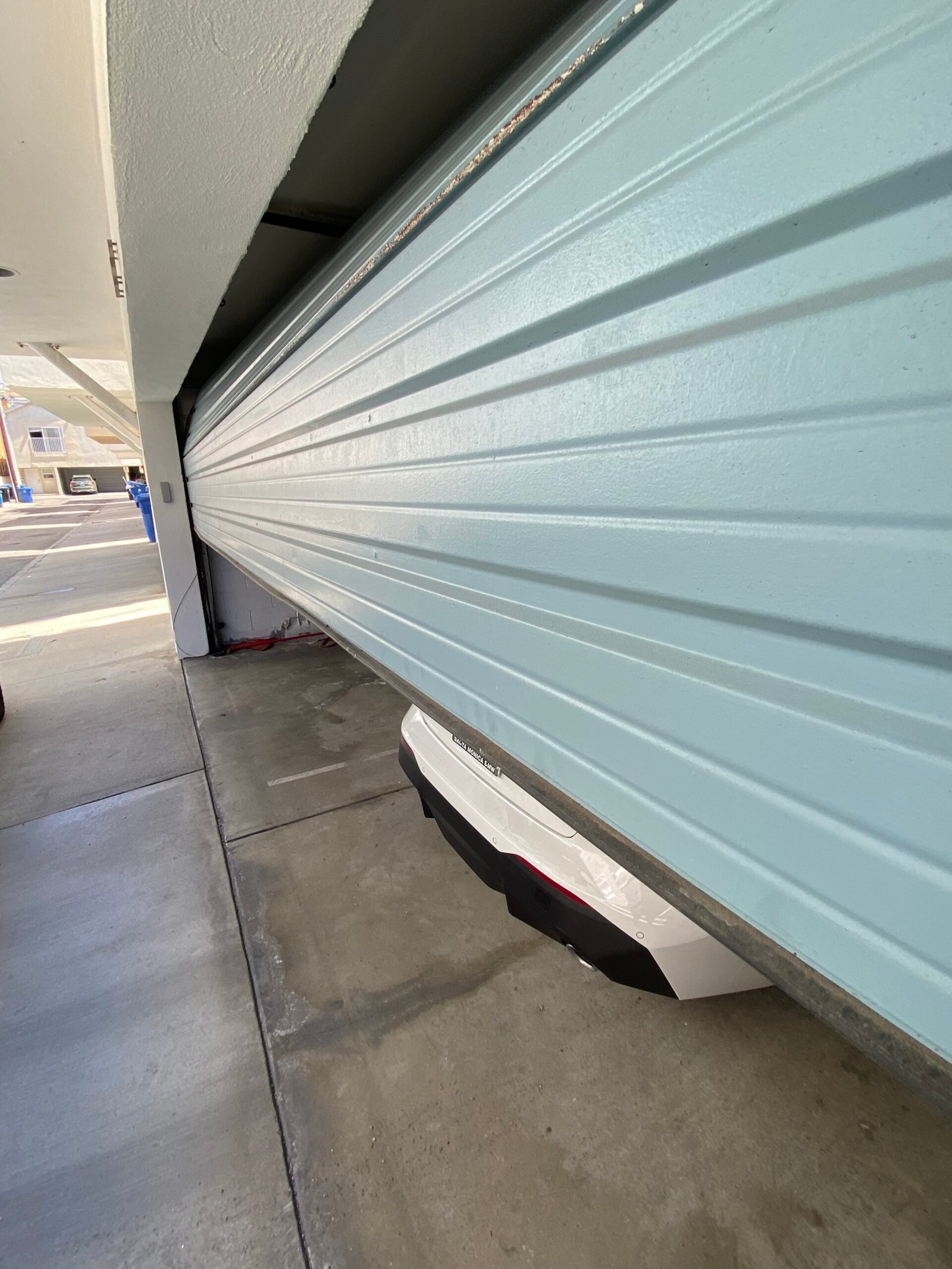
Low-headroom garage door problems happen when there is not enough space between the top of the garage door opening and the ceiling area. This can affect the track angle, roller path, opener rail placement, opener arm movement, spring setup, cable path, and how the door opens and closes.
In Newhall, low-headroom issues may be found in older garages, hillside properties, detached garages, converted garage spaces, custom garage openings, and homes where a standard track setup does not fit cleanly. A proper diagnosis starts with measuring headroom, backroom, side room, track spacing, opener clearance, and door travel.
Common Low-Headroom Track Symptoms in Newhall
These are the signs homeowners often notice when the garage door system does not have enough clearance above the opening.
Door Scrapes Near the Ceiling
Scraping near the top of the opening can happen when the track angle, roller path, or clearance is too tight.
Opener Rail Clearance Issues
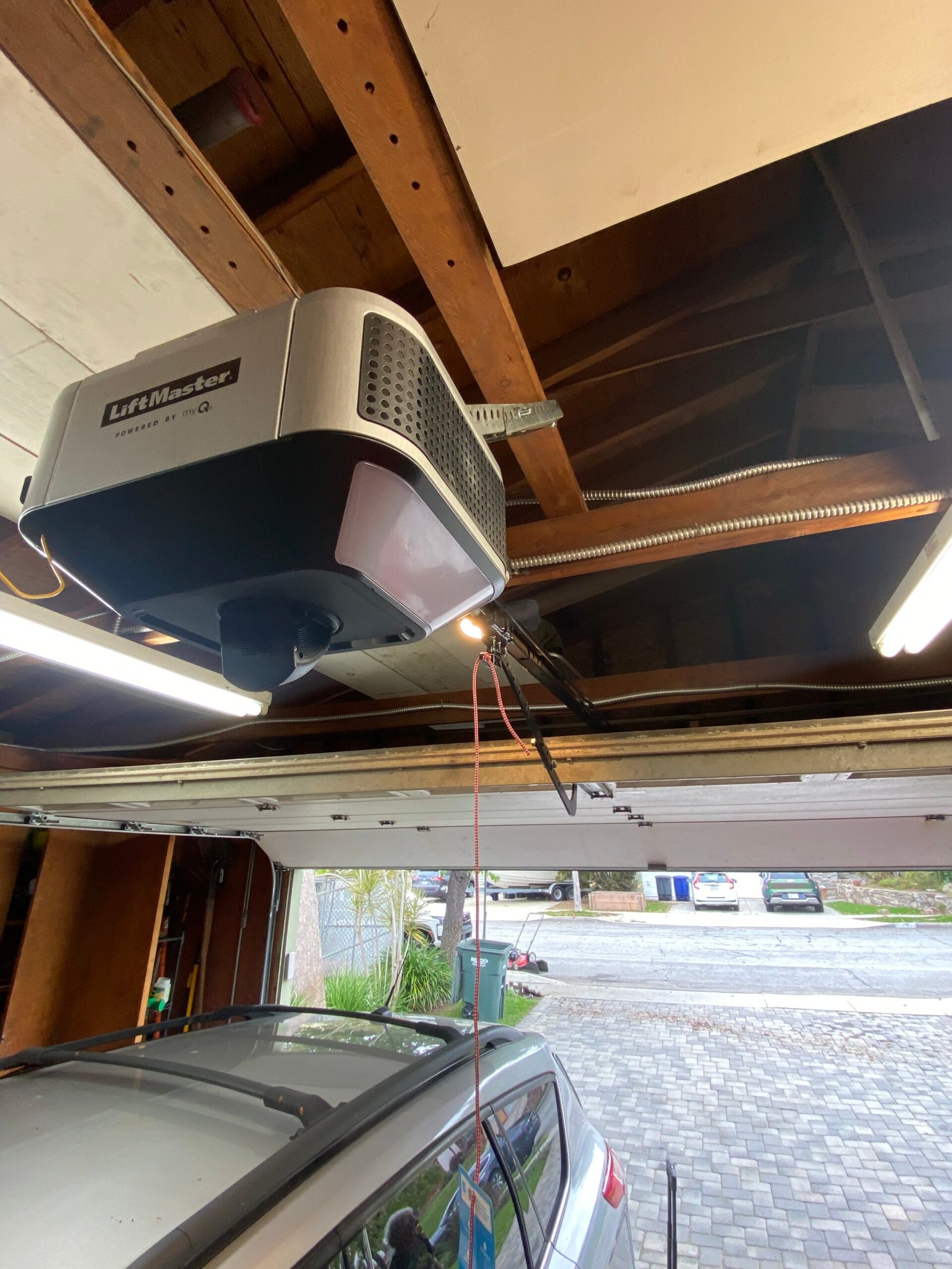
The opener rail, trolley, and arm may not have enough room to move correctly in a low-ceiling garage.
Rollers Bind in the Track
Rollers can drag, jump, scrape, or bind when the track path is too tight or not aligned for the available headroom.
Door Stops Before Opening Fully
A door may stop early when the track setup, opener angle, or top section movement is limited by clearance.
Spring and Cable Clearance Problems
Low-headroom systems need careful review of cable path, drums, shaft, spring setup, and bottom bracket movement.
Older Garage Opening Fit
Older Newhall garages may have nonstandard measurements that require a more careful track and opener fit review.
Low-Headroom Repairs Should Start With Measurements
A low-headroom garage door problem should not be solved by guessing. The available headroom, backroom, side room, door height, track type, opener rail clearance, spring setup, cable path, and roller movement should all be measured and reviewed before repair or conversion.
If the door is scraping, binding, shaking, or stopping early, forcing the opener can create damage to the opener rail, trolley, opener arm, rollers, hinges, tracks, cables, panels, and spring system.
Newhall Low-Headroom Track Study Table
Use this table to understand common low-headroom garage door scenarios and what should be inspected during diagnosis.
| Low-Headroom Scenario | What Homeowners Notice | What Should Be Checked | Priority |
|---|---|---|---|
| Limited Headroom Above Opening | Very little space exists between the top of the door opening and the ceiling. | Headroom, backroom, side room, door height, track type, opener fit, and spring setup. | Critical |
| Door Scraping or Binding | Door scrapes near the ceiling, shakes, grinds, or binds while opening. | Track alignment, roller path, top section travel, hinges, brackets, opener force, and panel movement. | High |
| Opener Rail Fit Problem | Opener rail looks crowded, arm angle is tight, or trolley movement is restricted. | Rail placement, trolley travel, opener arm angle, door clearance, opener force, and motor strain. | High |
| Track Conversion Need | Standard track setup does not work with the garage opening or ceiling clearance. | Low-headroom track options, spring/cable layout, bracket placement, opener compatibility, and full travel. | Critical |
| Rollers Binding in Track | Rollers drag, jump, scrape, or stick during the open-close cycle. | Roller condition, track spacing, track bends, hinges, cable tension, panel alignment, and door balance. | High |
| Spring and Cable Clearance Problem | Cable path looks crowded, cable movement is uneven, or spring system has limited room. | Spring setup, drums, cable path, shaft placement, bottom brackets, door balance, and track geometry. | Urgent |
| Older Garage Opening | The garage door system never moved smoothly or the opening looks nonstandard. | Original opening measurements, framing, track type, opener placement, hardware, clearance, and door fit. | High |
Newhall Low-Headroom Red Flags
- The door scrapes near the top of the opening
- The opener rail has very little room
- The door stops before opening fully
- Rollers bind, jump, or drag in the track
- The garage has a low ceiling above the opening
- The track angle looks too tight
- The opener arm looks crowded or strained
- The spring and cable path looks limited
Why Diagnosis Matters Before Changing Track Parts
Low-headroom track issues can look like a roller problem, opener problem, spring problem, or track problem. Replacing one part without measuring the full garage opening may not solve the scraping, binding, or opener clearance issue.
A proper diagnosis should confirm the headroom measurement, opener compatibility, track path, roller movement, cable clearance, spring setup, door weight, and whether the garage needs adjustment, repair, or a low-headroom track solution.
Low-Headroom Track Issue vs Standard Track Damage
Some track problems come from limited clearance. Others come from impact damage, worn rollers, loose cables, or off-track movement.
Likely Low-Headroom Issue When
- The garage has very little space above the opening
- The opener rail sits too close to the door path
- The door rubs near the top of the opening
- Standard track does not fit cleanly
- The spring or cable setup feels crowded
- The door has never opened smoothly since installation
Likely Standard Track Damage When
- The track is bent from vehicle or object impact
- Rollers are worn, cracked, or dragging
- Hinges or brackets are loose
- The door recently went off track
- A cable came loose or off drum
- The door became crooked after spring or cable failure
Newhall-Specific Low-Headroom Track Observations
Newhall homes may include older garages, hillside properties, detached garages, converted spaces, custom door openings, heavy wood doors, and garage layouts where modern opener rails or standard track setups do not fit cleanly.
For these homes, low-headroom garage door repair should consider available ceiling clearance, original garage layout, opener rail fit, spring and cable path, roller movement, track geometry, door weight, and safe full-cycle travel.
Newhall Garage Door Local Study Pages
These Newhall local study pages help homeowners compare the most common garage door repair problems, including repair cost factors, broken spring issues, opener failure, sensor failure, older home garage door needs, and low-headroom track problems. Use these studies to understand the likely cause before scheduling garage door repair near Newhall.
Low-Headroom Track Factors Included in This Study
These examples show why low-headroom garage door repair should include clearance, opener fit, rollers, tracks, spring support, and safety testing.
Track Alignment Review
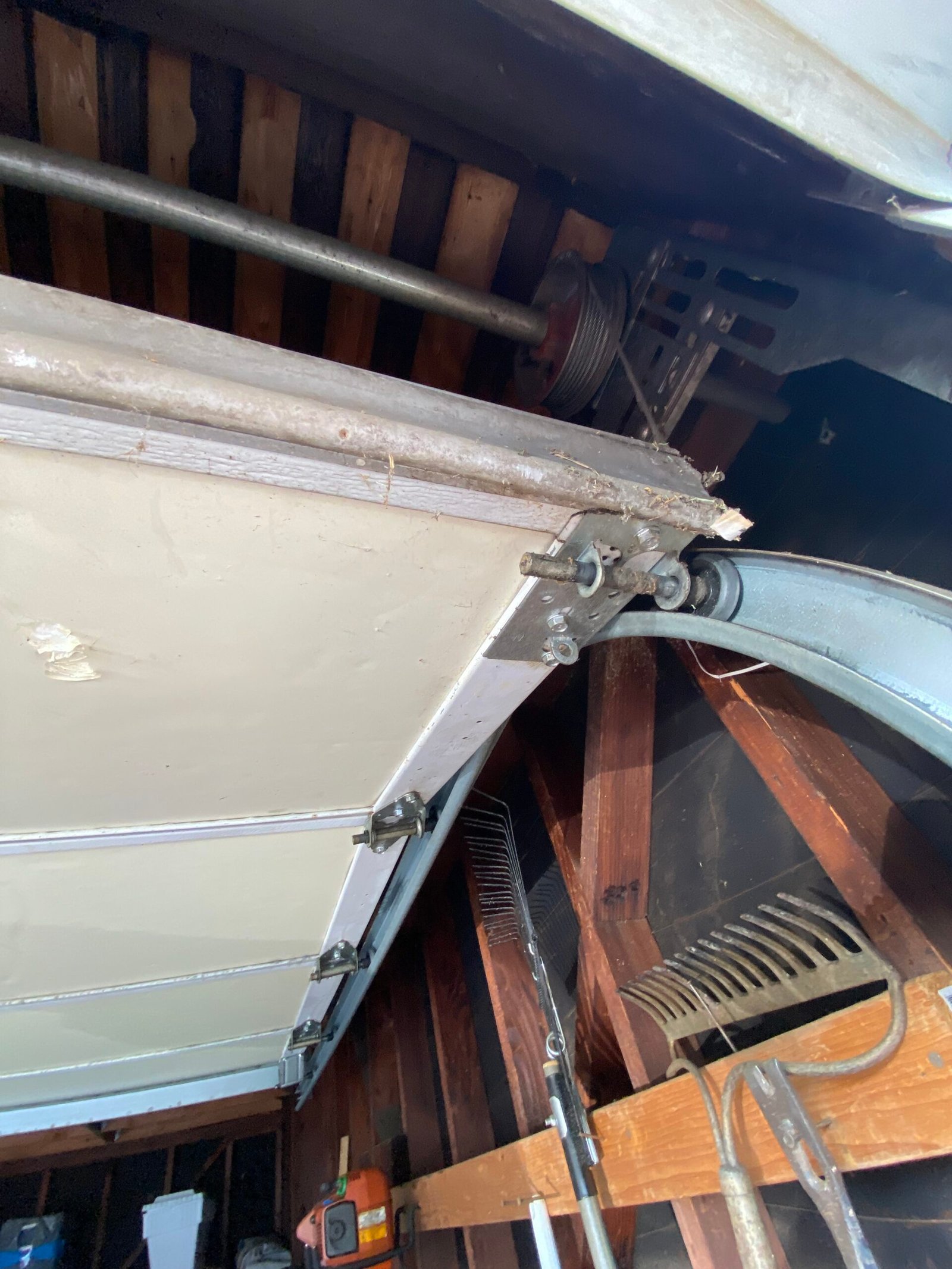
Track geometry, bracket placement, and roller path matter more when headroom is limited.
Roller & Cable Clearance
Rollers and cables must move cleanly through tight clearance without binding or jumping.
Opener Rail Fit
Low ceilings can affect opener rail height, trolley travel, opener arm angle, and motor strain.
Spring Balance
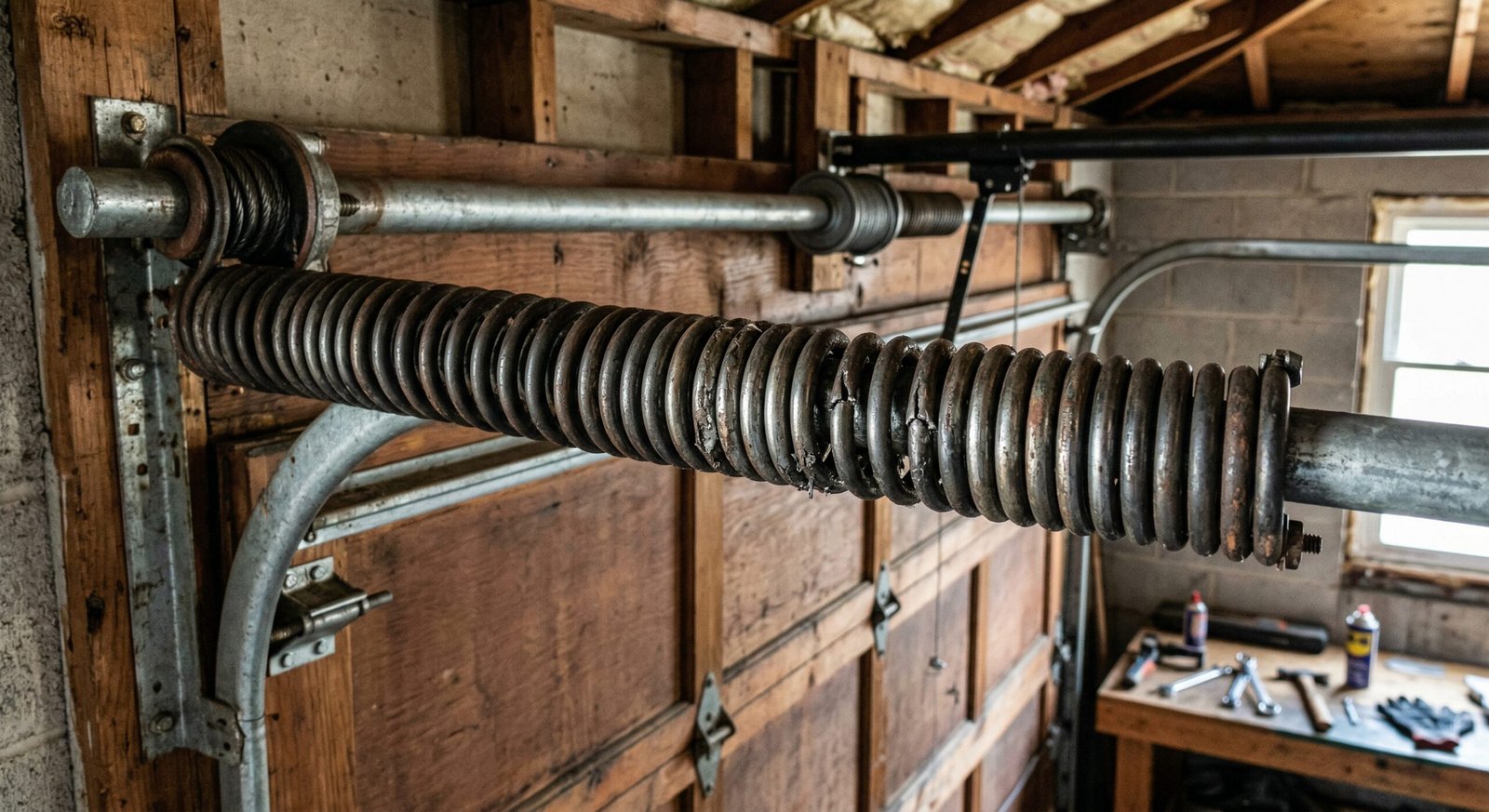
Spring setup and door weight affect how the door travels through a low-headroom track path.
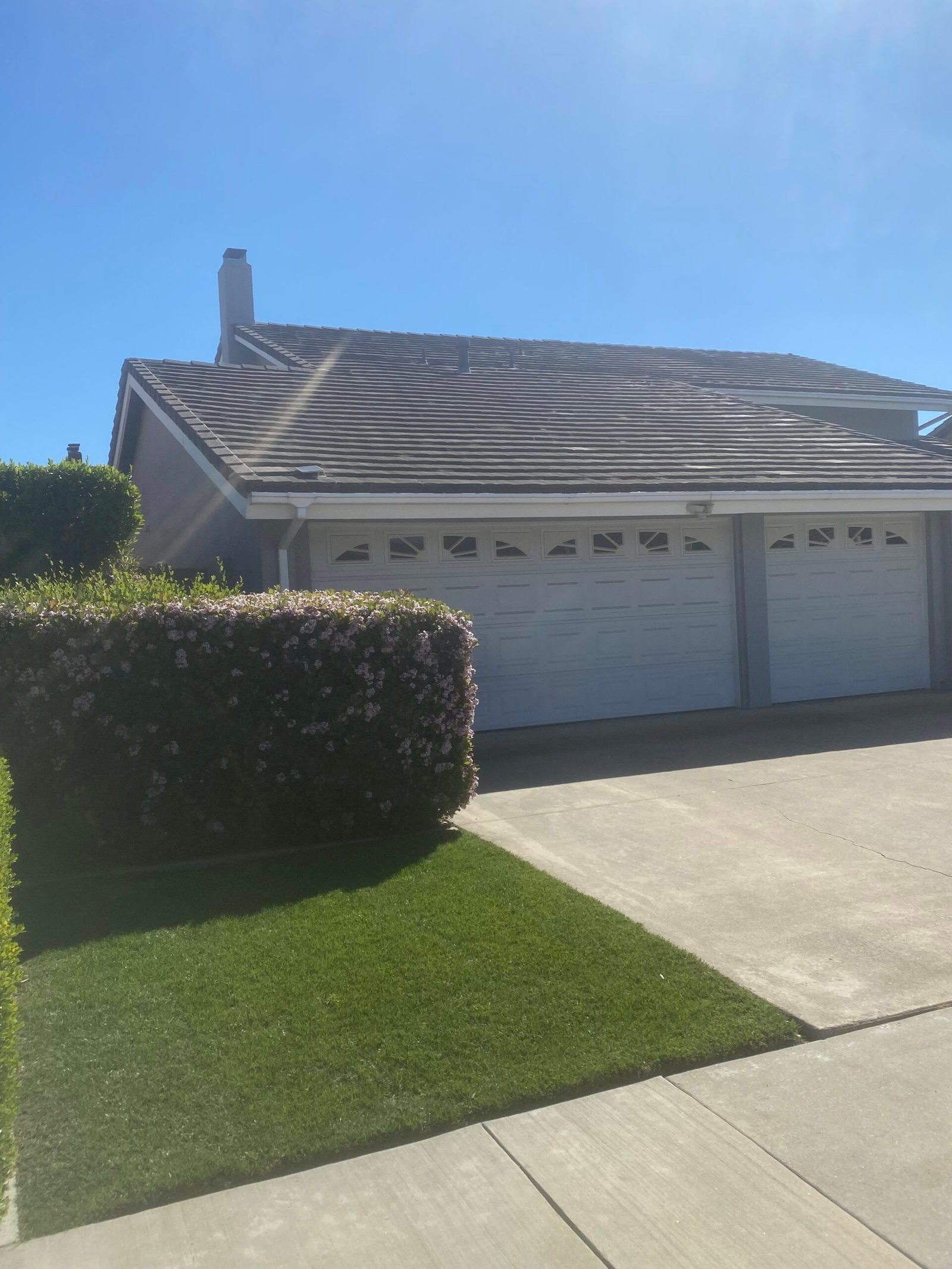
Closing Fit Review
After track work, the bottom seal, closing fit, and full open-close travel should be checked.
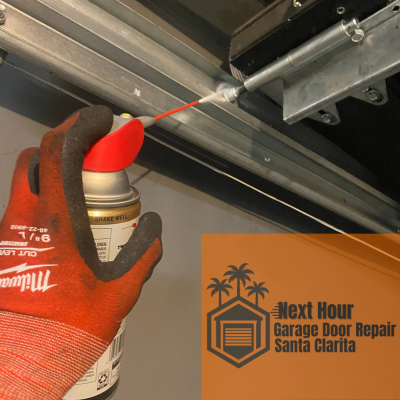
Safety Testing
A low-headroom system should be tested for balance, hardware stability, opener response, and smooth travel.
Newhall Low-Headroom Track Study Area
This local study applies to low-headroom garage door track problems in Newhall and nearby Santa Clarita Valley areas, including low ceiling openings, tight clearance, opener rail fit, custom track alignment, spring and cable clearance, roller travel, scraping doors, older garage layouts, and door binding issues.
Newhall Low-Headroom Track Study FAQs
Common questions homeowners ask about low ceiling garage door track problems near Newhall.
What is a low-headroom garage door track problem?
A low-headroom problem happens when there is limited space above the garage door opening for the tracks, springs, opener rail, and door travel path.
Why does my garage door scrape near the ceiling?
Scraping near the ceiling may come from tight headroom, poor track angle, roller binding, opener rail clearance issues, spring setup problems, or track misalignment.
Can a low ceiling affect garage door opener installation?
Yes. Low ceiling clearance can affect opener rail placement, opener arm angle, trolley movement, door travel, and safe opener operation.
Can low-headroom track problems cause the door to jam?
Yes. If the rollers bind, tracks are misaligned, or clearance is too tight, the door may jam, scrape, shake, or stop before opening fully.
Do older Newhall garages commonly have low-headroom issues?
Older garage layouts may have limited headroom, narrow openings, low ceilings, or track setups that do not match modern opener systems and replacement doors.
Should springs and cables be checked during low-headroom track repair?
Yes. Spring setup, cable path, drums, shaft placement, door balance, rollers, and opener clearance should be checked together.
Can same-day low-headroom track diagnosis be available near Newhall?
Same-day diagnosis may be available depending on scheduling, garage clearance, track condition, part needs, and safety risk.
Need Low-Headroom Track Diagnosis in Newhall?
Call Next Hour Garage Door Repair Santa Clarita | Garage Spring & Opener Repair for Newhall low-headroom track diagnosis, tight ceiling garage door repair, opener rail clearance review, custom track alignment, roller travel correction, spring and cable clearance checks, older garage opening review, and safe full-cycle door testing.
Call Now: (661) 449-2694