
Newhall Garage Door Sensor Failure Study
This Newhall garage door sensor failure study explains why safety sensors fail, why opener lights flash, why a garage door reverses before closing, and why some garage doors only close when the wall button is held. It covers blinking photo eyes, misaligned sensors, damaged wiring, loose brackets, sun glare, opener safety circuit problems, stuck-open garages, track resistance, weather seal obstruction, and door closing issues near Newhall.
Why Garage Door Sensors Fail in Newhall
Garage door sensors are part of the opener safety system. When they are misaligned, blinking, dirty, loose, damaged, disconnected, or blocked, the opener may refuse to close the door. Many Newhall homeowners first notice opener lights flashing, sensor lights blinking, or a garage door that reverses before reaching the floor.
Sensor failure can also be confused with other problems. A garage door may reverse because of roller drag, track resistance, cable tension, opener force settings, weather seal contact, or travel limit issues. That is why the sensor system and the door system should be checked together.
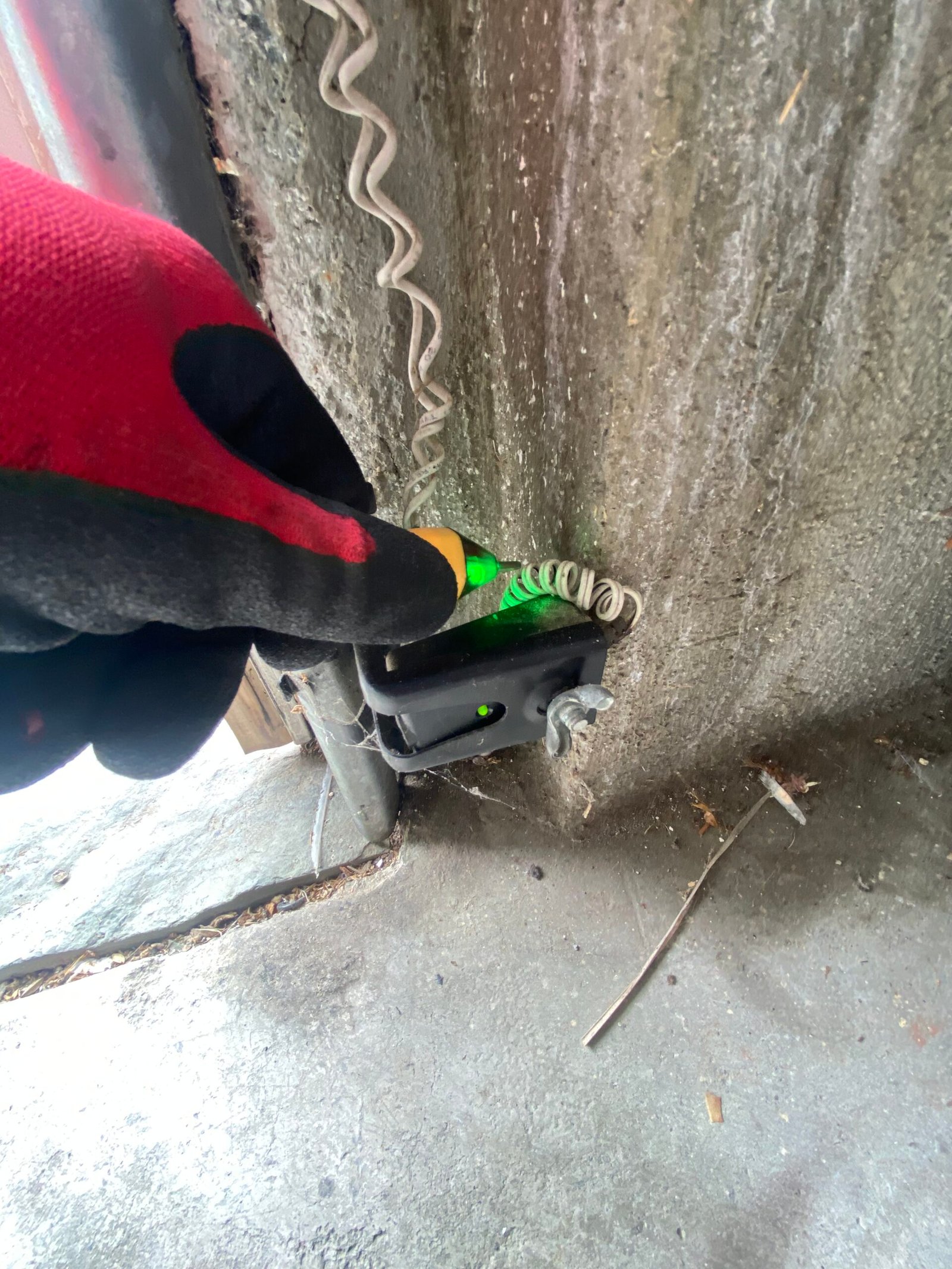
Common Garage Door Sensor Failure Symptoms in Newhall
These are the signs homeowners often notice before scheduling sensor repair or garage door won’t close service.
Blinking Safety Sensors
Blinking sensors usually point to misalignment, loose brackets, dirty lenses, damaged wiring, or blocked photo eyes.
Opener Lights Flashing
Flashing opener lights often mean the opener is detecting a safety sensor problem or closing path interruption.
Door Starts Closing Then Reverses
Door reversal can be caused by sensors, force settings, travel limits, track resistance, roller drag, or a floor obstruction.
Door Closes Only When Wall Button Is Held
This is a common sign that the opener is not receiving a normal safety sensor signal.
Remote Opens But Will Not Close
A remote may open the door but fail to close it when the opener safety system detects sensor failure.
Garage Door Stuck Open
Sensor failure can leave the garage open, creating a security concern for vehicles, tools, storage, and home access.
Sensor Failure Should Not Be Bypassed
Garage door sensors are a safety feature. If the sensors are blinking or the opener lights flash when closing, the problem should be corrected instead of bypassed. A bypass may hide a safety issue and can create risk during normal use.
A proper sensor failure diagnosis should check sensor alignment, wiring, brackets, lens condition, opener safety circuit, travel limits, force settings, roller movement, track resistance, cable tension, and the full closing path.
Newhall Garage Door Sensor Failure Study Table
Use this table to understand common sensor failure scenarios and what should be inspected during diagnosis.
| Sensor Failure Scenario | What Homeowners Notice | What Should Be Checked | Priority |
|---|---|---|---|
| Blinking Photo Eyes | One or both sensor lights blink, flicker, or will not stay solid. | Sensor alignment, brackets, lens condition, sensor height, wiring, sun glare, and opener circuit. | High |
| Opener Lights Flashing | Opener lights flash when the door is commanded to close. | Sensor circuit, wiring, opener logic board, closing path, travel limits, and safety response. | High |
| Door Reverses Before Closing | The door starts closing, stops, then opens again. | Sensors, opener force, travel limits, rollers, tracks, cable tension, weather seal contact, and floor obstruction. | Urgent |
| Wall Button Must Be Held | The door will only close when the wall button is held down. | Sensor alignment, wiring, opener safety circuit, wall button function, remote controls, and board response. | Urgent |
| Damaged or Loose Wiring | Sensor lights turn off, cut in and out, or change when wires move. | Sensor wires, staples, wire splices, terminals, opener board connections, and sensor leads. | High |
| Loose Sensor Brackets | Sensor looks bumped, angled, loose, or no longer pointed at the opposite sensor. | Brackets, fasteners, sensor alignment, vibration, track position, and beam path. | Adjust / Repair |
| Stuck-Open Garage Door | The door will not close and the garage cannot be secured. | Sensors, wiring, opener circuit, closing path, rollers, tracks, cable tension, and secure closing. | Urgent |
Newhall Sensor Failure Red Flags
- The garage door sensors blink or flicker
- The opener lights flash when closing
- The door starts closing then reverses
- The door only closes when the wall button is held
- The remote opens the door but will not close it
- Sensor brackets look bumped or loose
- Sensor wires look cut, loose, or pinched
- The garage door is stuck open and cannot secure the garage
Why Diagnosis Matters Before Replacing Sensors
Sensor replacement is not always the answer. Some sensor problems only need alignment, bracket repair, wiring correction, lens cleaning, or opener circuit testing. Other times, the sensor symptom is caused by door movement, track resistance, roller drag, cable tension, weather seal contact, or opener force settings.
A good diagnosis confirms whether the failure is the sensor pair, the wiring, the opener board, the closing path, or the garage door system itself.
Sensor Failure vs Door System Failure
A garage door that will not close is often blamed on sensors, but the door system should still be inspected.
Likely Sensor Failure When
- The sensor lights blink or one sensor light is off
- The opener lights flash when closing
- The door closes only when wall button is held
- The remote opens but will not close the door
- Sensor brackets were bumped
- Sensor wiring is visibly damaged or loose
Likely Door System Failure When
- The door shakes, binds, or scrapes while closing
- The door reverses near the floor
- Rollers drag in the track
- Cable tension looks uneven
- The door moves crooked
- The weather seal or floor contact blocks final close
Newhall-Specific Sensor Failure Observations
Newhall homes may include older opener systems, daily-use garages, detached garages, attached garages, hillside driveways, and older garage layouts where wiring, brackets, sensors, and opener settings may need closer review.
In older or high-use systems, sensor failure diagnosis should also include opener board response, wiring condition, sensor alignment, roller movement, track resistance, cable tension, and secure closing.
Newhall Garage Door Local Study Pages
These Newhall local study pages help homeowners compare the most common garage door repair problems, including repair cost factors, broken spring issues, opener failure, sensor failure, older home garage door needs, and low-headroom track problems. Use these studies to understand the likely cause before scheduling garage door repair near Newhall.
Sensor Failure Factors Included in This Study
These examples show why sensor repair should include alignment, wiring, opener response, and full door closing tests.
Sensor Alignment
Blinking photo eyes often point to misalignment, bracket movement, dirty lenses, or wiring failure.
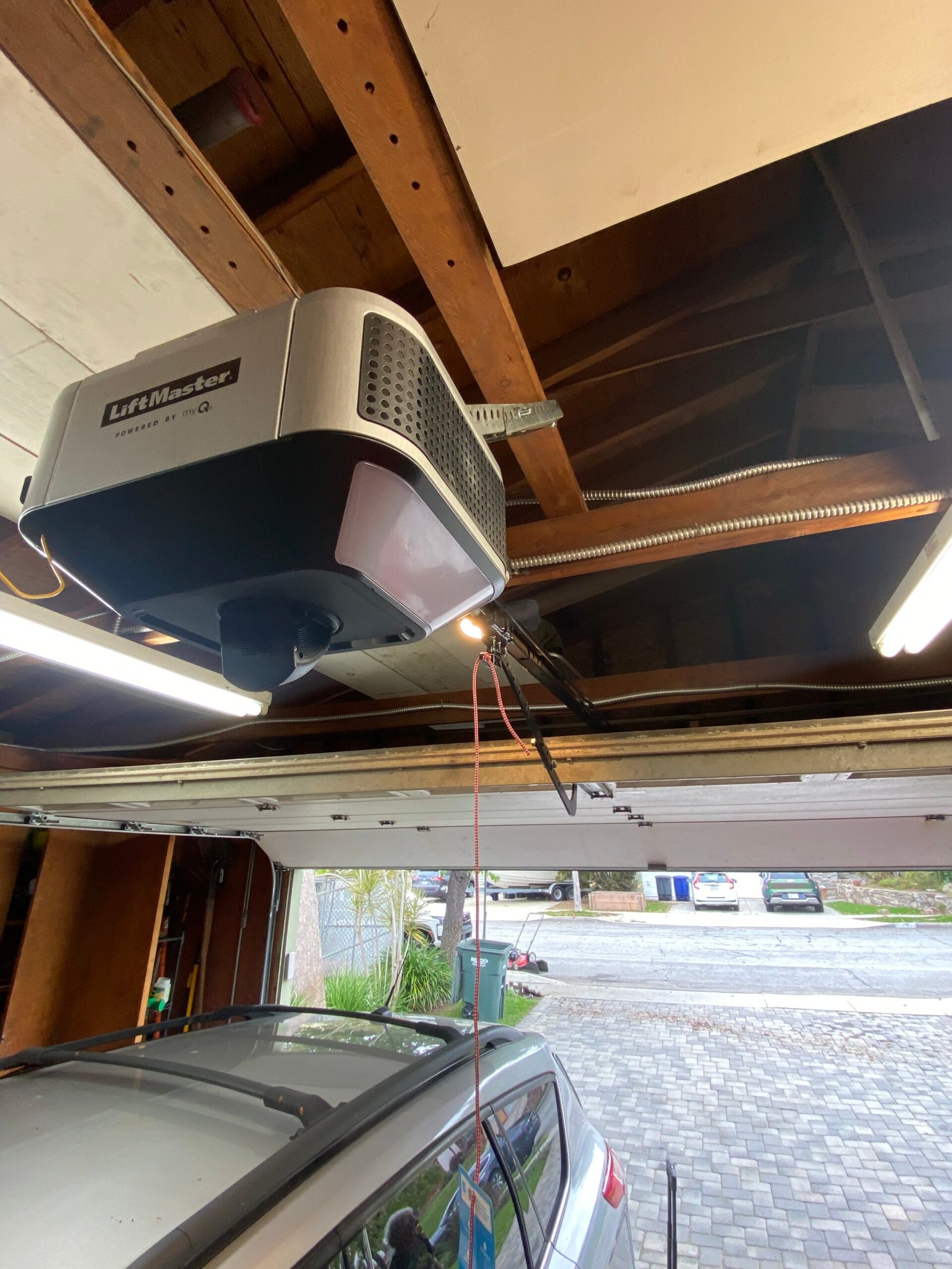
Opener Safety Circuit
The opener board and safety circuit should be checked when lights flash or the door will not close.
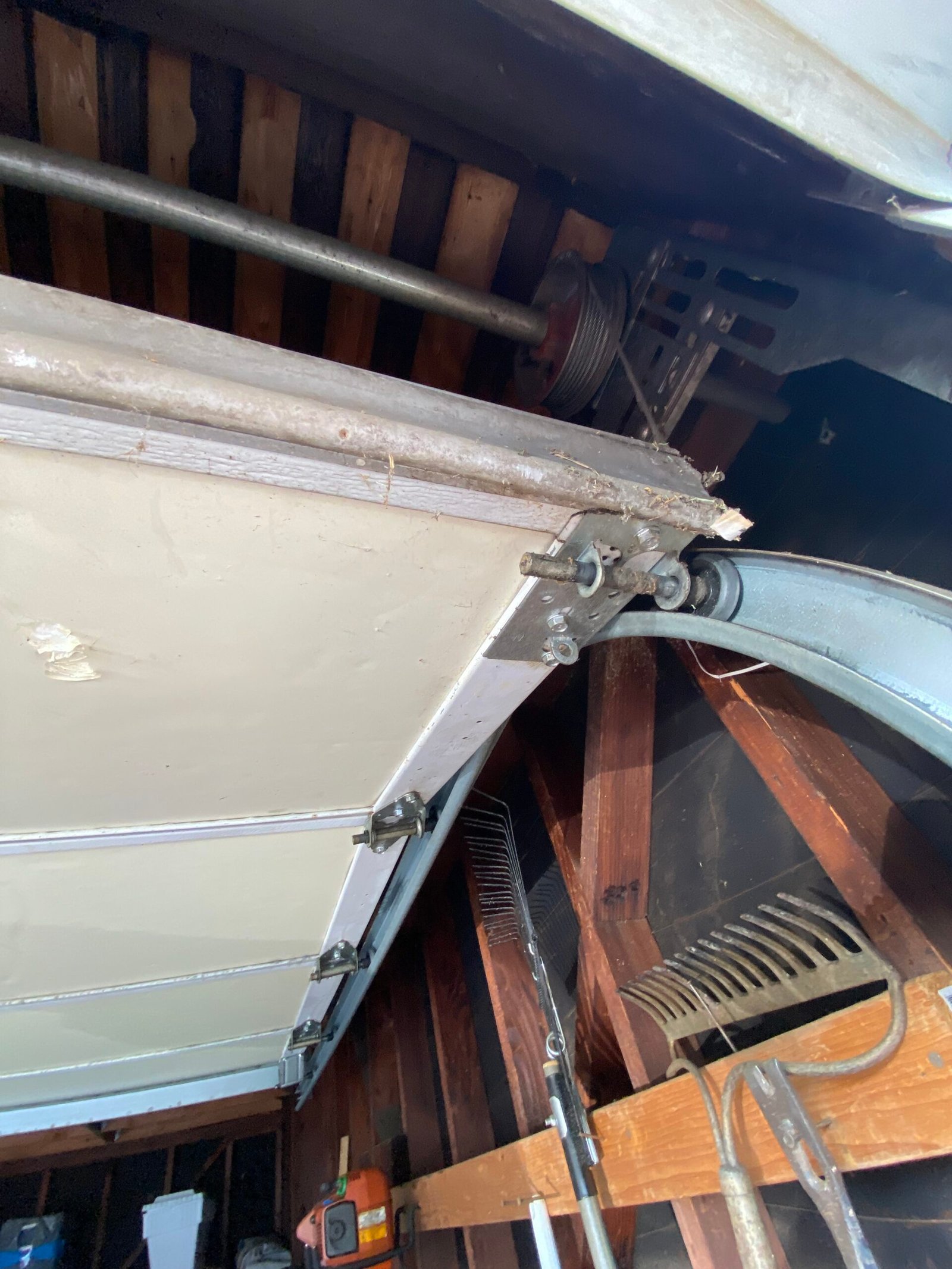
Roller & Cable Factors
Dragging rollers or cable tension problems can cause reversal and look like sensor failure.
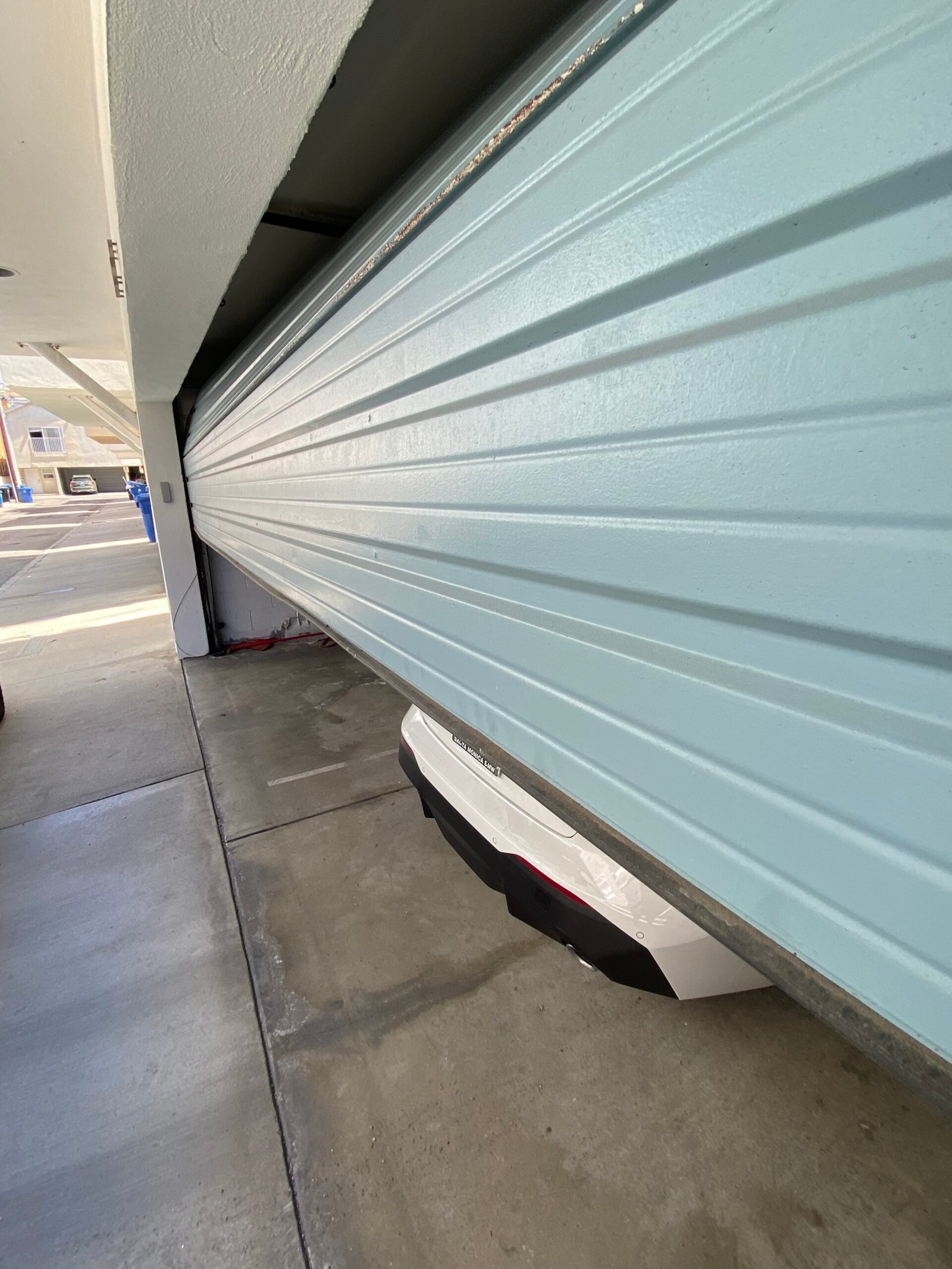
Track Resistance
Track resistance, crooked movement, or binding can prevent safe closing even when sensors are aligned.
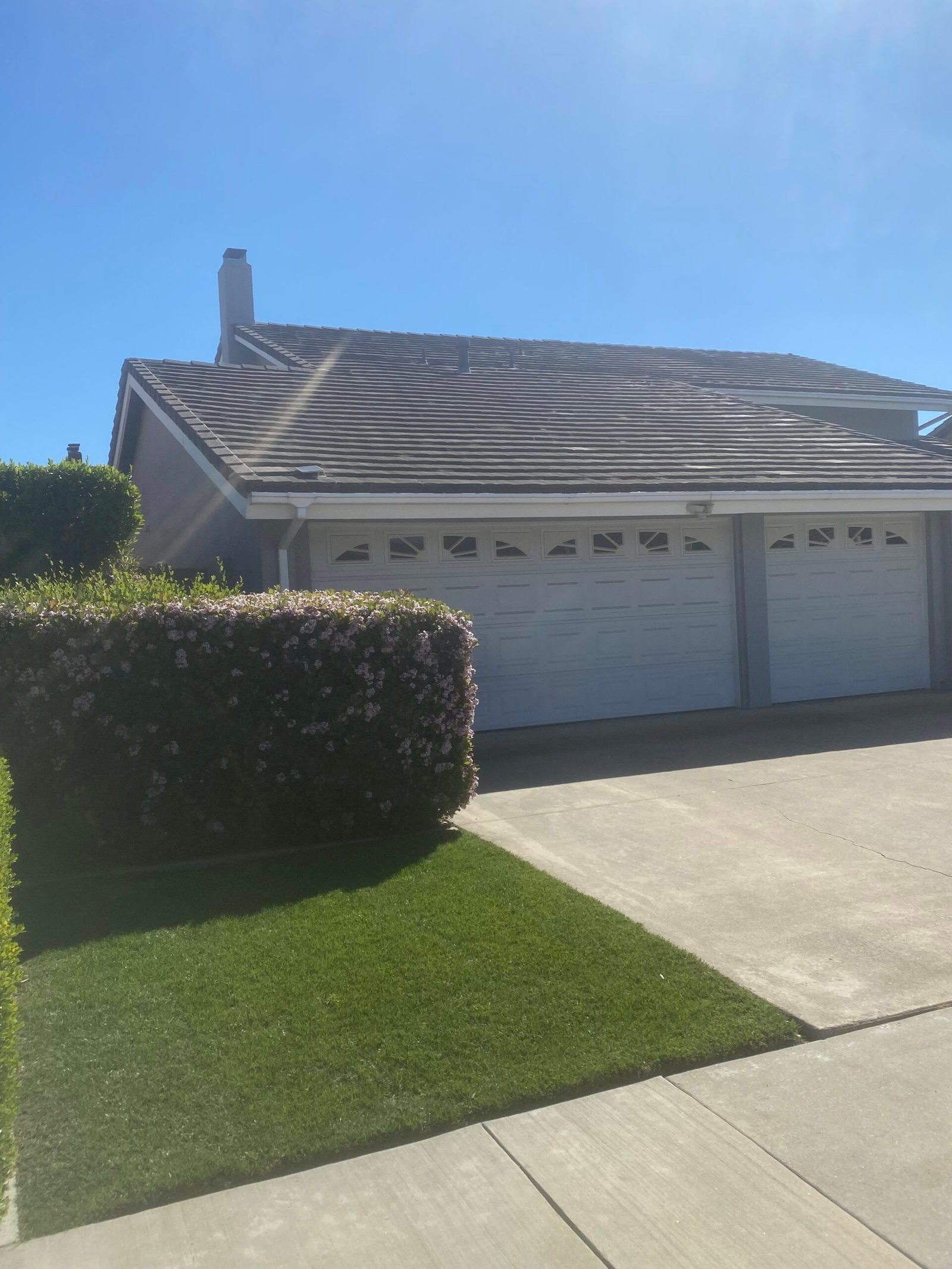
Closing Path Review
Weather seal contact, floor obstruction, and travel limits can trigger reversal near the floor.
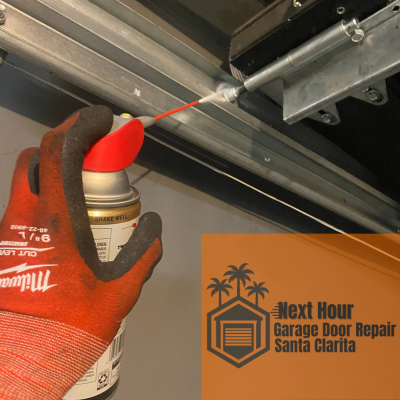
Safety Testing
After sensor repair, the door should be tested from the remote, keypad, and wall button.
Newhall Garage Door Sensor Failure Study Area
This local study applies to garage door sensor failure in Newhall and nearby Santa Clarita Valley areas, including blinking sensors, opener lights flashing, sensor wiring problems, door reversal, stuck-open garages, opener safety circuits, rollers, tracks, cables, and secure closing checks.
Newhall Garage Door Sensor Failure Study FAQs
Common questions homeowners ask about garage door sensor failure near Newhall.
Why are my garage door sensors blinking?
Blinking sensors may be caused by misalignment, dirty lenses, loose brackets, damaged wiring, blocked photo eyes, sun glare, or opener safety circuit issues.
Why do my opener lights flash when I try to close the door?
Flashing opener lights commonly indicate a sensor safety issue, blocked closing path, wiring problem, opener board issue, or safety circuit interruption.
Why does my garage door close then reverse?
Door reversal can be caused by sensor failure, opener force settings, travel limits, roller drag, track resistance, cable tension, or weather seal contact near the floor.
Why does my garage door only close when I hold the wall button?
This often points to a sensor safety circuit issue. Sensor alignment, sensor wiring, brackets, opener board response, and closing path should be checked.
Can sensor failure leave my garage stuck open?
Yes. If the opener does not receive a safe closing signal, the garage door may stay open and create a security concern.
Should I replace the sensors or diagnose first?
Diagnose first. Some issues require sensor alignment, wiring repair, bracket adjustment, opener circuit testing, or closing path correction instead of sensor replacement.
Can same-day sensor repair be available near Newhall?
Same-day sensor diagnosis may be available depending on scheduling, wiring condition, opener condition, sensor condition, and whether the garage is stuck open.
Need Garage Door Sensor Failure Diagnosis in Newhall?
Call Next Hour Garage Door Repair Santa Clarita | Garage Spring & Opener Repair for Newhall garage door sensor repair, blinking sensor diagnosis, opener lights flashing repair, wiring checks, door reversal troubleshooting, opener safety circuit testing, track resistance inspection, and stuck-open garage door repair support.
Call Now: (661) 449-2694