
Santa Clarita Garage Door Roller Noise Study
This local study explains why Santa Clarita garage doors make squeaking, grinding, popping, rattling, scraping, shaking, and track noise. Next Hour Garage Door Repair Santa Clarita uses this inspection guide to help homeowners understand whether the noise is coming from worn rollers, dry rollers, bent tracks, loose hinges, spring imbalance, cable tension, opener strain, or garage door age.
Why Santa Clarita Garage Doors Become Noisy
Garage door roller noise usually starts small. A light squeak can become a grinding sound. A minor rattle can turn into shaking. A worn roller can create track friction, opener strain, and uneven movement if the door is not checked early.
In Santa Clarita, garage door noise often comes from daily use, heat, dust, dry hardware, older rollers, loose hinges, worn bearings, spring imbalance, or a door that is no longer moving evenly through the tracks.
Common Garage Door Roller Noise Patterns
The type of sound can help point to the part that needs inspection. A noisy garage door should be checked before the rollers, tracks, opener, cables, or springs take extra strain.
Squeaking Rollers
Squeaking often comes from dry rollers, older bearings, hinge friction, or hardware that needs service.
Grinding Track Noise
Grinding may point to worn rollers, bent track sections, track resistance, or metal-on-metal movement.
Popping or Snapping Sounds
Popping can come from hinges, panels, rollers binding, track movement, or spring/cable tension changes.
Rattling Hardware
Rattling may be caused by loose hinges, brackets, bolts, track fasteners, opener arm hardware, or worn rollers.
Shaking Door Movement
Shaking can be caused by roller wear, track friction, door imbalance, opener strain, or uneven cable tension.
Opener Strain Noise
When rollers drag or the door is unbalanced, the opener may hum, strain, grind, or move the door unevenly.
What This Roller Noise Study Looks For
A noisy garage door is not always only a roller problem. The inspection should include rollers, tracks, hinges, brackets, springs, cables, opener force, door balance, and the way the door moves through the full open-and-close cycle.
If the sound happens at one specific point in the track, the issue may be a bent track, worn roller, loose hinge, or uneven door movement. If the entire door sounds loud, the issue may be age, dry hardware, roller wear, spring balance, or opener strain.
Santa Clarita Garage Door Roller Noise Study Table
Use this table to match the sound you hear with the most likely parts that need inspection.
| Noise Type | What Homeowners Notice | Possible Cause | Inspection Priority |
|---|---|---|---|
| Squeaking | High-pitched sound while the door opens or closes. | Dry rollers, worn bearings, hinge friction, or dry hardware. | Medium |
| Grinding | Rough sound near the track or roller area. | Worn rollers, metal friction, bent track, track resistance, or damaged bearings. | High |
| Popping | Door pops or snaps during movement. | Binding roller, loose hinge, panel flex, spring tension shift, or track misalignment. | Medium-High |
| Rattling | Door vibrates or rattles while moving. | Loose bolts, worn hinges, loose track brackets, opener arm movement, or roller wear. | Medium |
| Scraping | Metal scraping sound along one side of the door. | Track rubbing, off-center door movement, damaged roller, bent bracket, or panel contact. | High |
| Shaking or Jerking | Door shakes, jumps, or moves unevenly. | Roller damage, track friction, cable tension issue, poor spring balance, or opener strain. | High |
Noise Issues That Need Service Soon
- The door grinds while moving
- The rollers scrape against the track
- The garage door shakes or jerks
- The door pops near the hinges or panels
- The opener strains when lifting
- The door sounds louder than normal
- One side of the door sounds worse
- The door looks crooked or uneven
Roller Noise Can Lead to Bigger Repairs
Worn rollers can create extra drag. Extra drag can strain the opener, pull on cables, wear the track, and make the door move unevenly. If ignored, a noisy roller problem can turn into an off-track garage door or an opener repair.
A roller noise inspection helps confirm whether the door needs roller replacement, track adjustment, hinge tightening, cable service, spring balance correction, or opener troubleshooting.
Roller Noise vs Track Noise vs Opener Noise
A noisy garage door can sound like one problem, but the source may be different. This comparison helps explain where the sound may be coming from.
May Be Roller or Track Related
- Noise is loud near the side tracks
- Door scrapes, squeaks, or grinds while moving
- Door shakes at one part of the track
- Rollers look worn, cracked, or loose
- Door movement is rough but opener still runs
May Be Opener or Balance Related
- Motor hums or strains during operation
- Door opens slowly or unevenly
- Door feels heavy manually
- Opener rail shakes during movement
- Door stops, reverses, or jerks while opening
Do Not Ignore New Garage Door Noises
New garage door noises are warning signs. Squeaking can mean friction. Grinding can mean worn rollers. Rattling can mean loose hardware. Scraping can mean track contact. Shaking can mean imbalance or cable tension.
A noisy garage door is easier to fix before it becomes a stuck door, damaged opener, broken cable, off-track door, or spring strain problem.
Recent Roller, Cable, Track & Noisy Door Photos
These images match the roller noise study topic, including roller and cable replacement, noisy door tune-up, track inspection, off-track repair, and opener strain checks.
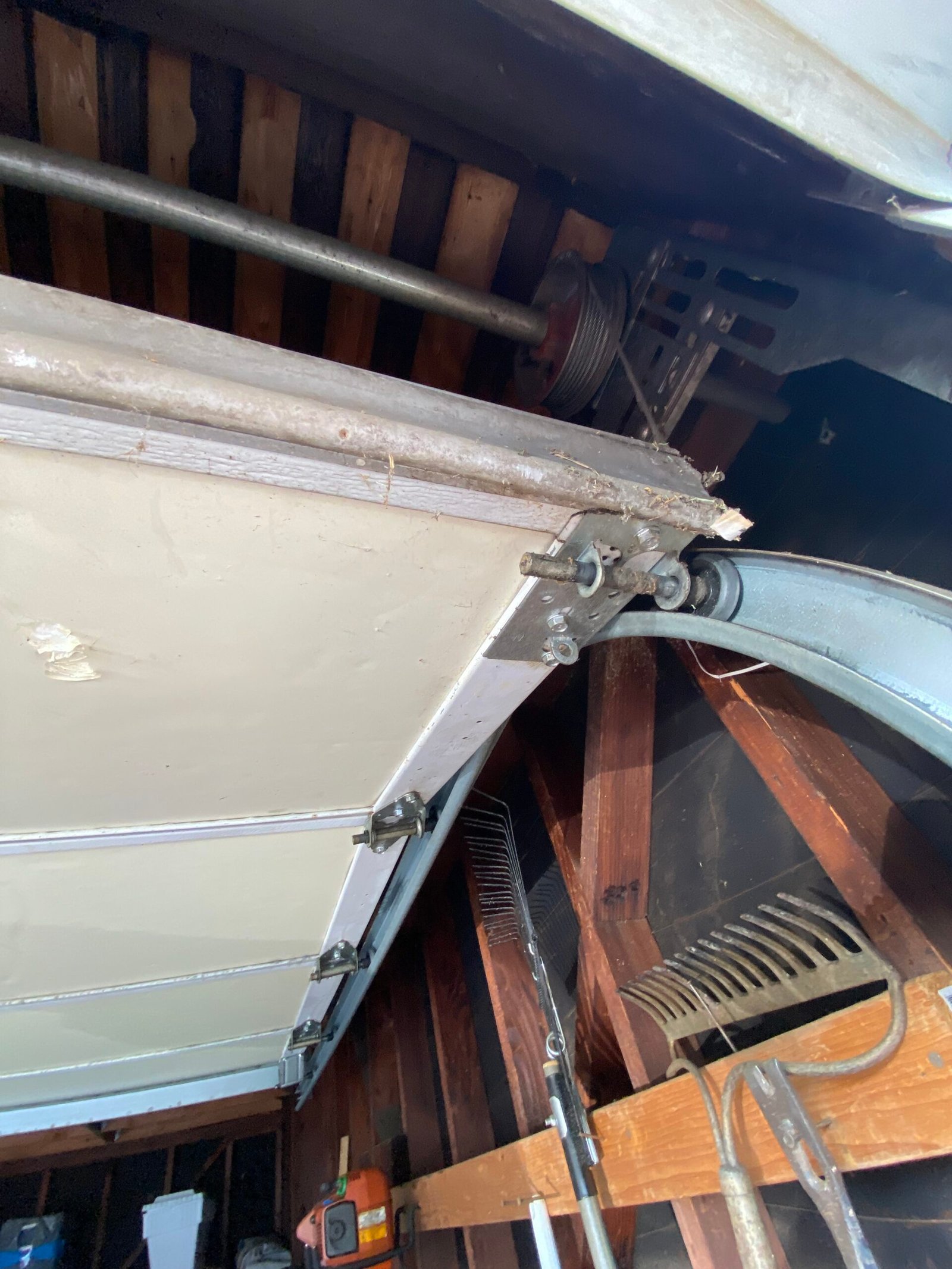
Roller & Cable Replacement
Roller and cable replacement after noisy, uneven garage door movement in Saugus.
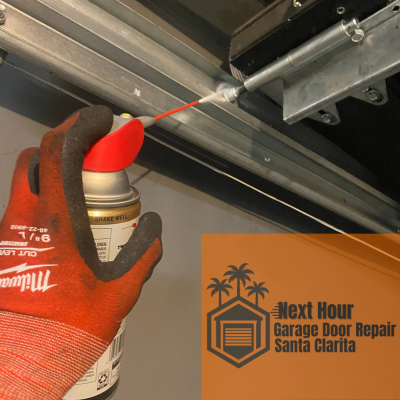
Noisy Door Tune-Up
Garage door tune-up for squeaking, rattling, and rough door movement.
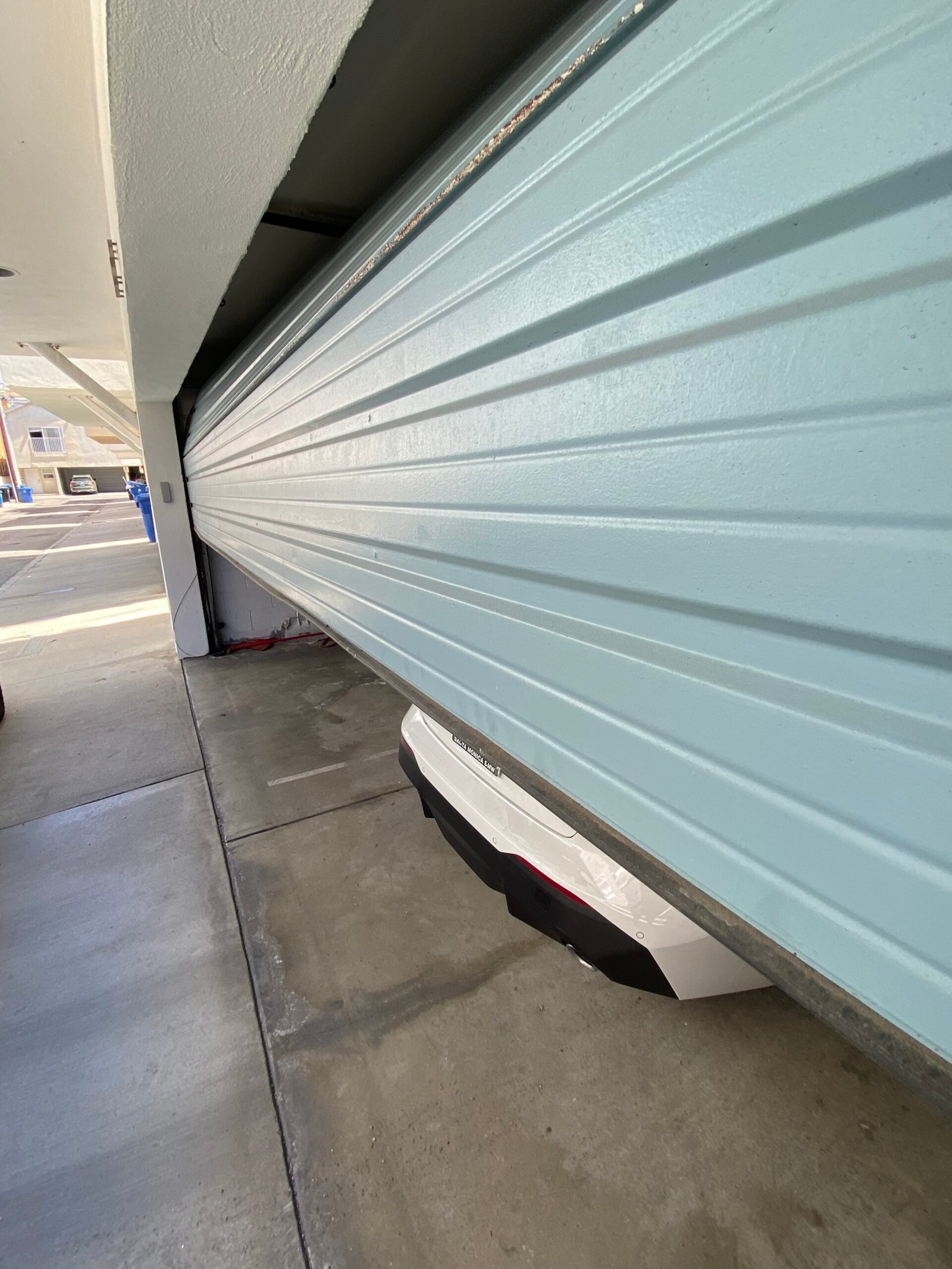
Track & Roller Inspection
Track and cable inspection when roller noise turns into crooked movement.
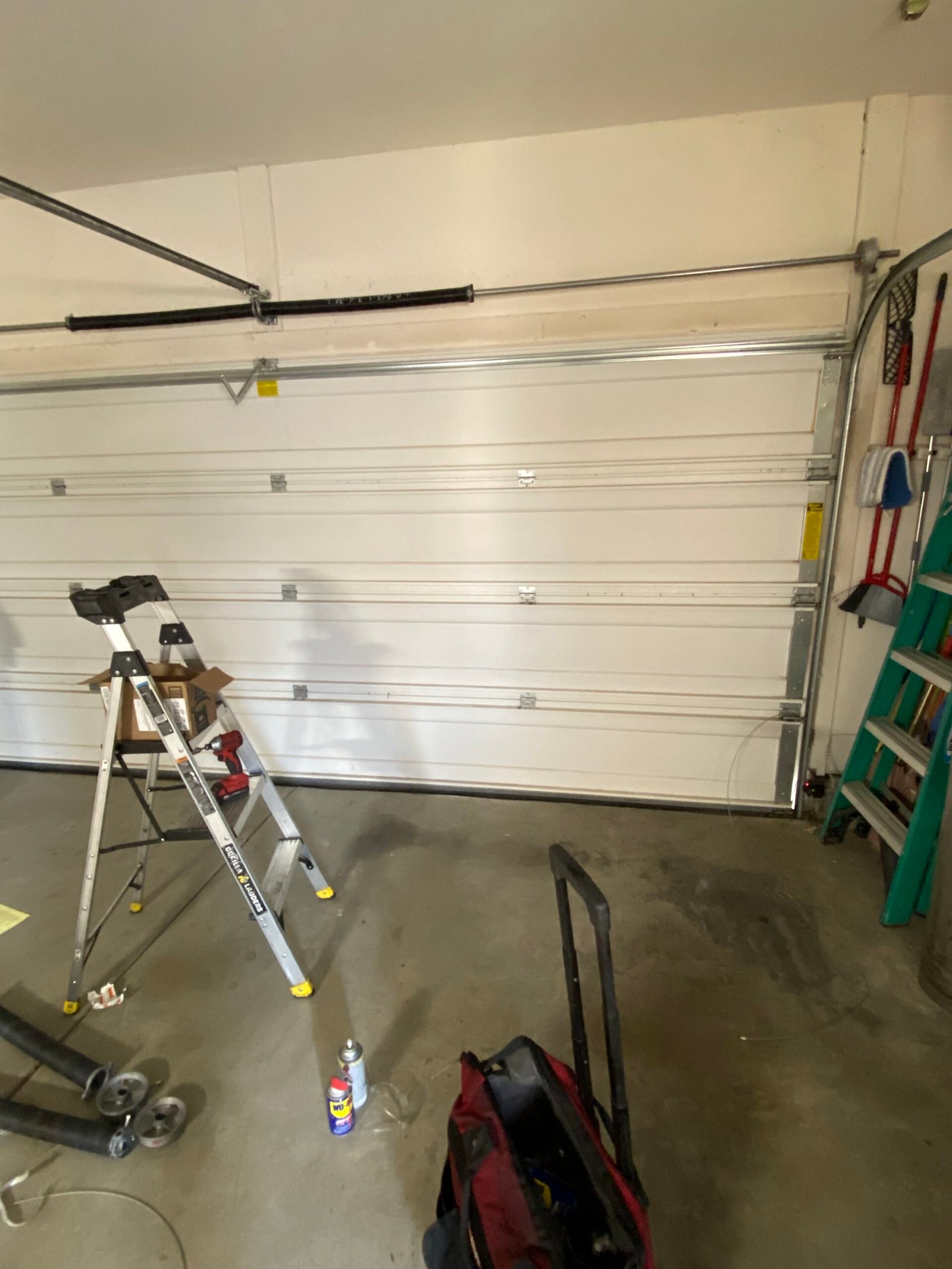
Spring Balance Check
Spring balance inspection when noisy rollers create opener strain.
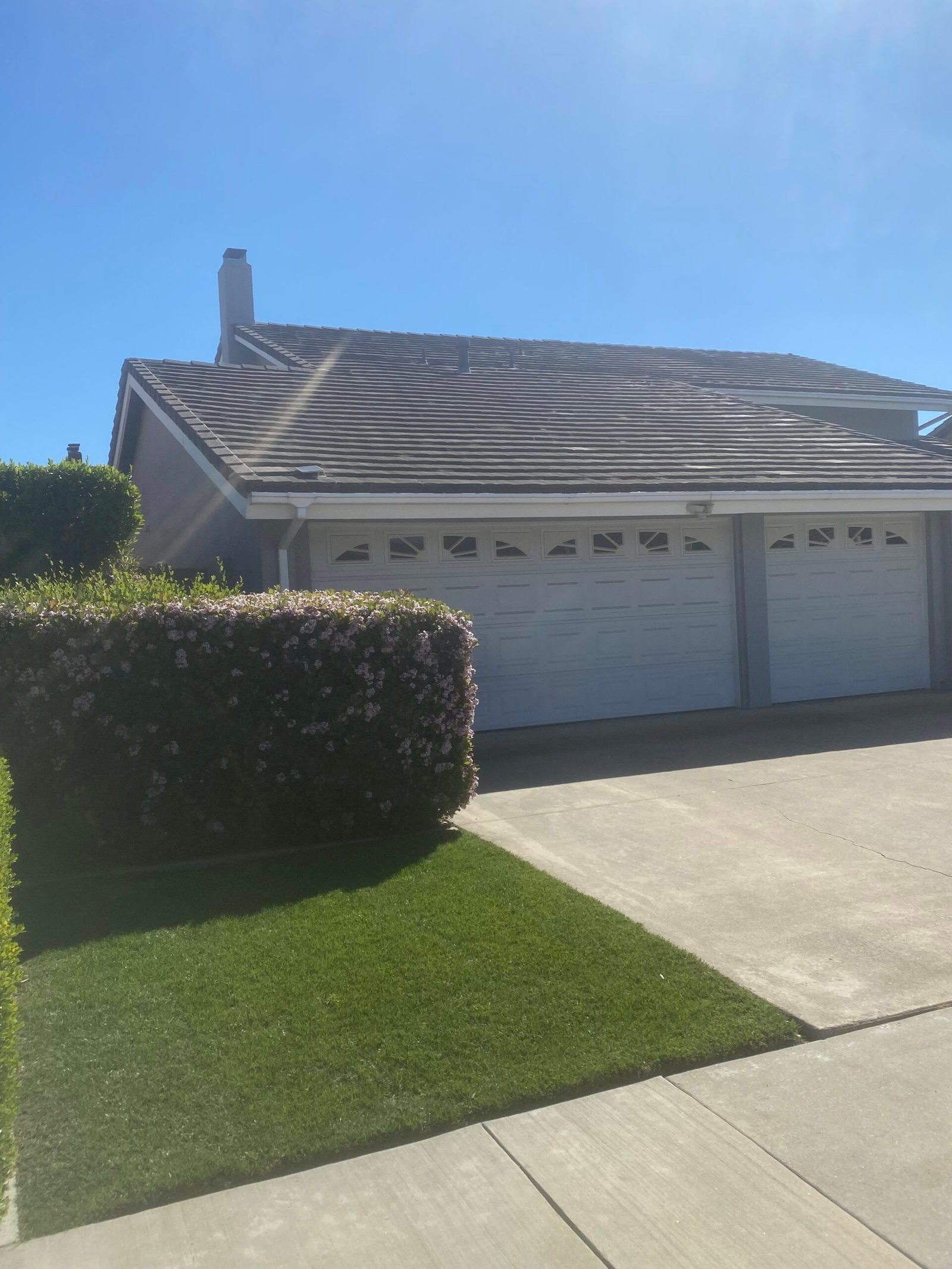
Maintenance Inspection
Garage door maintenance check for seal contact, roller movement, and closing position.
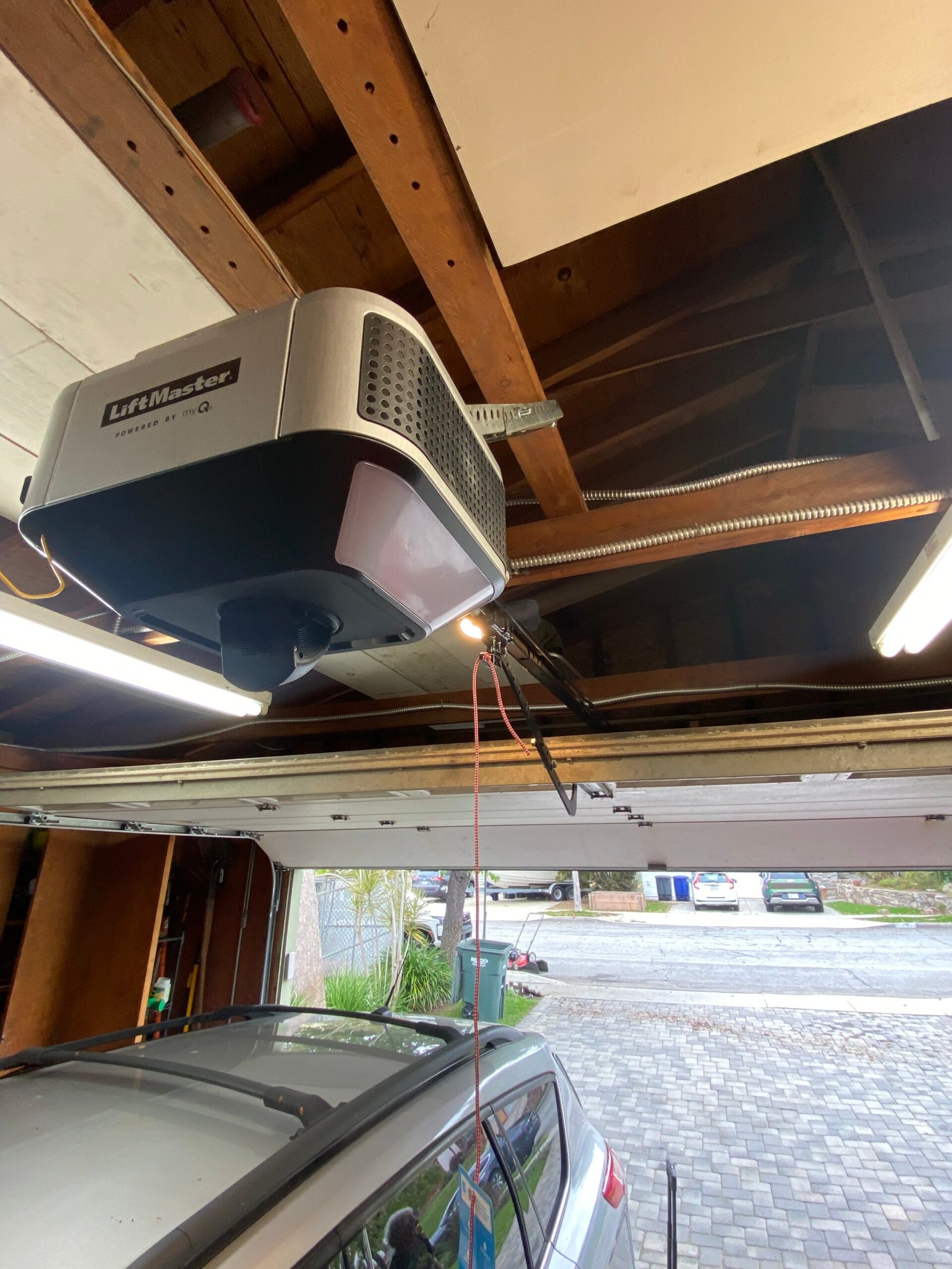
Opener Strain Check
Opener inspection when noisy rollers or poor balance strain the motor.
Santa Clarita Roller Noise Study Areas
This roller noise study supports garage door repair, noisy garage door repair, roller replacement, track inspection, cable service, spring balance inspection, opener strain troubleshooting, and garage door tune-up across Santa Clarita Valley.
Garage Door Roller Noise FAQs
Common questions homeowners ask about noisy garage door rollers in Santa Clarita.
Why is my garage door squeaking?
Squeaking can come from dry rollers, worn roller bearings, hinge friction, loose hardware, or garage door parts that need service.
Why does my garage door make a grinding sound?
Grinding may be caused by worn rollers, metal friction, track resistance, bent tracks, damaged bearings, or uneven door movement.
Can bad rollers damage the garage door opener?
Yes. Worn rollers can create drag and make the opener work harder, which may strain the motor, rail, trolley, gears, and opener controls.
Should noisy garage door rollers be replaced?
If the rollers are worn, cracked, loose, grinding, or causing rough door movement, replacement may be recommended after inspection.
Can roller noise mean the door is off track?
Sometimes. Scraping, shaking, or crooked movement can point to track friction, roller problems, loose cables, or off-track risk.
Do you repair noisy garage doors in Valencia, Saugus, and Canyon Country?
Yes. Next Hour Garage Door Repair Santa Clarita services noisy garage doors in Santa Clarita, Valencia, Saugus, Canyon Country, Castaic, Newhall, Stevenson Ranch, and nearby areas.
Is a noisy garage door an emergency?
A light squeak is not always an emergency, but grinding, scraping, shaking, crooked movement, loose cables, or opener strain should be inspected quickly.
Need Noisy Garage Door or Roller Repair in Santa Clarita?
Call Next Hour Garage Door Repair Santa Clarita | Garage Spring & Opener Repair for noisy garage door inspection, roller replacement, cable inspection, track inspection, spring balance testing, opener strain troubleshooting, and same-day garage door service.
Call Now: (661) 449-2694