

Garage Door Spring Size and Door Weight: Why the Correct Spring Matters
A homeowner guide to door weight, spring wire size, inside diameter, length, spring count, drums, balance and why “close enough” spring sizing can create problems.
Door suddenly heavy or spring visibly broken? Stop repeated opener use and avoid high-tension spring hardware. Call (661) 449-2694 to ask Next Hour Garage Door Repair Santa Clarita about current spring service availability.
Why must garage door spring size match door weight?
A garage door spring must produce the correct counterbalance for the actual door weight and hardware. A spring that is too weak can leave the door heavy and strain the opener; a spring that is too strong can make the door rise aggressively or resist closing. Correct sizing helps the door move smoothly and remain properly balanced.
Garage Door Spring Size Is Really a Door-Weight and Counterbalance Question
When a garage door spring breaks, homeowners often assume the replacement should simply look like the old spring. That is not enough. Garage door springs are engineered counterbalance components, and the correct replacement has to produce the right lifting torque for the actual door weight and the hardware that moves the door.
A spring can be the wrong choice even when it appears to fit the torsion shaft. Wire size, inside diameter, spring length, winding direction, number of springs, drum size, door height and actual door weight all influence whether the counterbalance system will work correctly. On extension-spring systems, the relationship between spring capacity and door weight is equally important, even though the spring stretches instead of winding around a shaft.
For Santa Clarita homeowners, this matters because residential garage doors vary widely. A lightweight single-car steel door, an insulated double door, a door with decorative glass, and a heavier wood or composite door can all require different spring specifications. If insulation, reinforcement, panels or glass have been added over time, the current door may also weigh more than it did when the original springs were selected.
The right spring does not make the door “extra light.” It counterbalances the door so the system operates within the intended range. The goal is a door that moves smoothly, remains controlled, and does not force the garage door opener to compensate for a bad spring match.
Why Does the Correct Garage Door Spring Size Matter?
The correct spring must match the garage door's weight and operating geometry. If a spring is too weak, the door can feel heavy and strain the opener. If it is too strong, the door can rise too aggressively or resist closing. Correct spring sizing restores balanced movement and protects the opener, cables, drums, rollers and door structure from unnecessary stress.
What Garage Door Springs Actually Do
Garage door springs counterbalance the weight of the door. They do not eliminate the weight; they store mechanical energy so that the door can be moved with controlled force.
In a torsion system, the spring winds around a shaft above the door. That torque turns cable drums, which wind and unwind the lift cables attached near the bottom of the door. The drum geometry determines how much cable movement occurs as the shaft turns.
In an extension system, springs stretch along the horizontal tracks and work through pulleys and cables. The design is different, but the engineering objective is the same: offset the door's weight through the range of travel.
If the spring system does not match the door weight, the whole door can behave incorrectly even when the opener itself is functioning normally.
Door Weight Is the Starting Point for Correct Spring Selection
Door weight is one of the most important inputs in spring selection. DASMA Technical Data Sheet #171 provides official color-code information for torsion and extension springs and specifically cautions that spring identification should be supported by physical spring measurements, door weight and manufacturer information. In other words, color or appearance alone is not enough.
The weight that matters is the actual installed door weight, not a generic estimate based only on width and height. Insulation, glass, struts, hardware, panel construction and previous modifications can change what the spring system has to counterbalance.
A correct spring recommendation should therefore account for the real door rather than assuming every 16-foot double garage door uses the same spring.
Why Door Weight Can Change After the Original Springs Were Installed
A garage door does not always remain exactly as it left the manufacturer. Homeowners may add insulation kits, reinforcement struts, decorative hardware, window inserts, replacement panels or other materials. Even a seemingly modest weight change can affect the counterbalance requirement.
DASMA Technical Data Sheet #176 explains that garage doors are engineered as complete systems and warns that adding weight to a garage door assembly can affect the door's components and counterbalance system. Springs, tracks, hinges, rollers, cables, drums and fasteners are designed to work together under defined conditions.
If the door has been modified since the springs were selected, replacing the failed spring by copying the old one may simply reproduce an outdated configuration. The current door weight should be considered.
The Four Spring Measurements Homeowners Hear About Most
Torsion spring selection involves several measurements. Homeowners do not need to perform high-tension spring work themselves, but understanding the terminology helps when comparing repair recommendations.
1. Wire size
Wire size is the diameter of the spring wire. Small changes in wire diameter can significantly change the spring's characteristics. Measuring wire incorrectly can lead to the wrong replacement.
2. Inside diameter
The inside diameter is the open diameter inside the spring coil. Common residential torsion springs come in several inside diameters, and the correct spring has to work with the winding and stationary cones used by the system.
3. Spring length
Length is measured along the spring body when the spring is not under winding tension. Spring length interacts with wire size and inside diameter to determine torque and cycle characteristics.
4. Winding direction
Torsion springs are left-wound or right-wound depending on their location and system design. Winding direction is not interchangeable.
These measurements identify the spring, but the replacement still needs to match the door's counterbalance requirement. Correct dimensions do not eliminate the need to confirm door weight and system geometry.
One Spring or Two Springs? Spring Count Is Part of the Design
Some residential garage doors use one torsion spring, while others use two. A two-spring system divides the required counterbalance torque between the springs. The two springs may be identical or may be deliberately different specifications that work together as an engineered pair.
That is why “my neighbor has two springs” is not enough reason to change the number of springs on your door. Door width, weight, shaft space, cycle-life goals and spring design all influence whether one or two springs make sense.
When replacing springs on a two-spring system, the technician should evaluate the pair together. Installing a new spring that is not compatible with the remaining spring can leave the door poorly balanced.
Cable Drums Are Part of the Spring-Size Equation
Torsion springs create torque, but the cable drums convert that shaft rotation into cable movement. Drum size and geometry therefore influence how spring torque translates into lifting force.
A spring that might work with one drum configuration may not produce the intended door balance with a different drum. Door height can also influence drum selection because the cable has to wind correctly through the full travel of the door.
This is one reason spring replacement is not simply a matter of matching wire and length. The spring operates inside a mechanical system that includes the shaft, drums, cables, bearings and door geometry.
What Happens if the Garage Door Spring Is Too Weak?
If the spring system does not provide enough counterbalance, the door can feel unusually heavy. The opener may strain, slow down, stop after lifting only partway or reverse because it encounters more load than expected.
A weak spring setup can also make manual movement difficult. The opener may be blamed because it is the component making noise, but the opener may only be reacting to an under-counterbalanced door.
Repeated operation with insufficient spring force can place unnecessary stress on the opener rail, trolley, motor system, top section and other hardware. The correct response is not to increase opener force blindly; the spring balance should be checked first.
What Happens if the Garage Door Spring Is Too Strong?
A spring system can also provide too much counterbalance. In that case, the door may want to rise on its own, resist closing, or behave unpredictably through part of its travel.
An over-sprung door can make the opener work harder in the closing direction. It can also complicate safety and travel settings because the opener is fighting the spring system instead of moving a neutrally balanced door.
“More spring” is therefore not automatically safer or better. The right spring is the spring that matches the door.
Why Door Balance Is the Final Check After Spring Replacement
Spring calculations and measurements lead to a practical result: the door should be properly balanced after installation. A trained technician can evaluate whether the door remains controlled through its travel and whether the counterbalance system is doing the work it was designed to do.
A good balance check helps confirm that the spring torque matches the installed door. If the door is still unusually heavy, rises aggressively or becomes unstable at certain positions, the spring setup or another mechanical condition may need correction.
Homeowners should not attempt to perform balance tests on a visibly broken, crooked or unstable door. The system should be secured and repaired first.
How High-Cycle Springs Relate to Spring Size
High-cycle springs are a good example of why dimensions can change even when the door weight stays the same. A higher-cycle spring may use different wire size, inside diameter or length to produce the same required torque with lower stress per cycle.

If you are comparing spring options, review our guide to high-cycle spring options for Santa Clarita homes. The important connection is that a high-cycle spring is not simply “a stronger spring.” It must still produce the correct torque for the door.
This is why a high-cycle replacement can look different from the original spring and still be correct—provided the engineering matches the door weight and system.
What Technicians Mean by Spring Torque and IPPT
Garage door torsion springs are often described in terms of torque rather than simple lifting pounds. One concept technicians and spring suppliers use is inch-pounds per turn, commonly shortened to IPPT. It represents how much torque a spring produces for each turn of winding.
Homeowners do not need to calculate IPPT themselves, but the concept helps explain why two springs that look similar can behave differently. Wire size, inside diameter and spring length influence the torque characteristics. The technician then selects a spring or spring pair that produces the required torque for the door and drum system.
Using the wrong IPPT relationship can leave the door heavy at one point in travel or overly strong at another. That is why spring replacement is an engineering match, not a visual match.
Door Height Also Matters Because Spring Torque Works Through the Drums
Door height affects how much cable must wind onto the drums as the door travels from closed to open. Standard residential door heights often use common drum designs, while taller doors can require different drum geometry.
The spring has to provide the right torque through the full range of shaft rotation. A spring selected without considering door height and drum configuration may not maintain the intended balance throughout travel.
This is another reason a replacement should be based on the complete system rather than spring dimensions alone.
Correct Spring Size and Cycle Life Are Related but Not the Same Thing
A spring can be correctly sized for torque but designed for different cycle-life targets. DASMA Technical Data Sheet #190 discusses factors that affect garage door spring cycle life, including handling, installation and door use.
Cycle life describes fatigue performance over repeated opening and closing. Spring sizing describes whether the spring produces the correct counterbalance for the door. A homeowner needs both: correct torque now and an appropriate cycle-life option for expected use.
A high cycle rating does not fix an incorrectly sized spring. Likewise, a perfectly balanced standard-cycle spring may still reach its fatigue limit sooner in a high-use household.
The Garage Door Opener Should Not Be Used to Correct Bad Spring Sizing
The opener moves a door that should already be counterbalanced. If the door is too heavy because the spring is too weak, the opener can be forced to lift more weight than intended. If the spring is too strong, the opener may fight excessive upward spring force while closing.
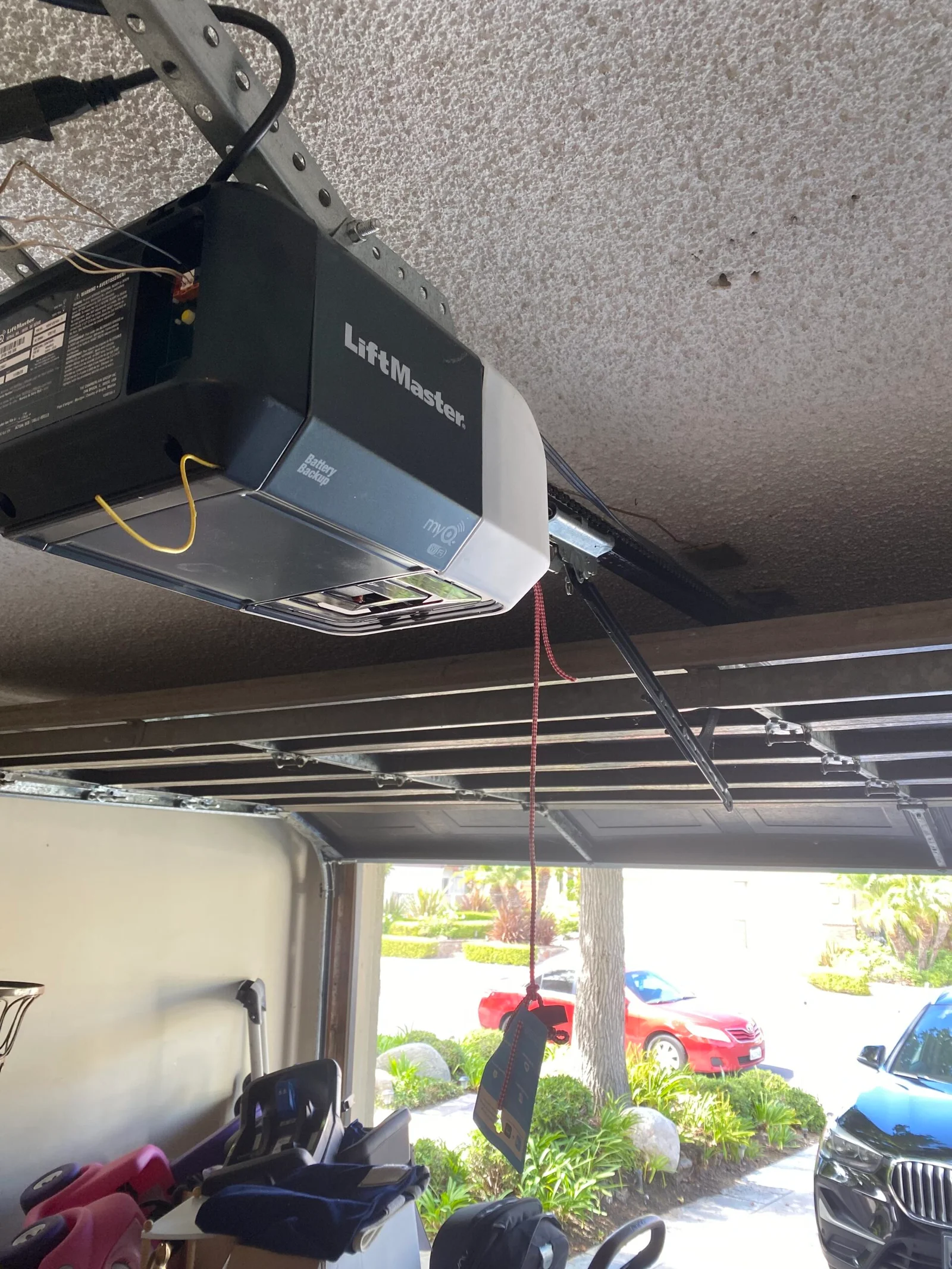
Changing opener force or travel settings before fixing the spring problem can hide the symptom without fixing the counterbalance issue. Spring sizing should be corrected first, then the opener can be tested under normal load.
Spring Sizing Problems Can Show Up as Cable, Drum and Track Symptoms
A door that is poorly balanced can move unevenly, place irregular tension on cables or expose existing track and roller problems. If one side rises faster than the other, the technician should inspect cable seating, drum condition and track alignment in addition to the springs.
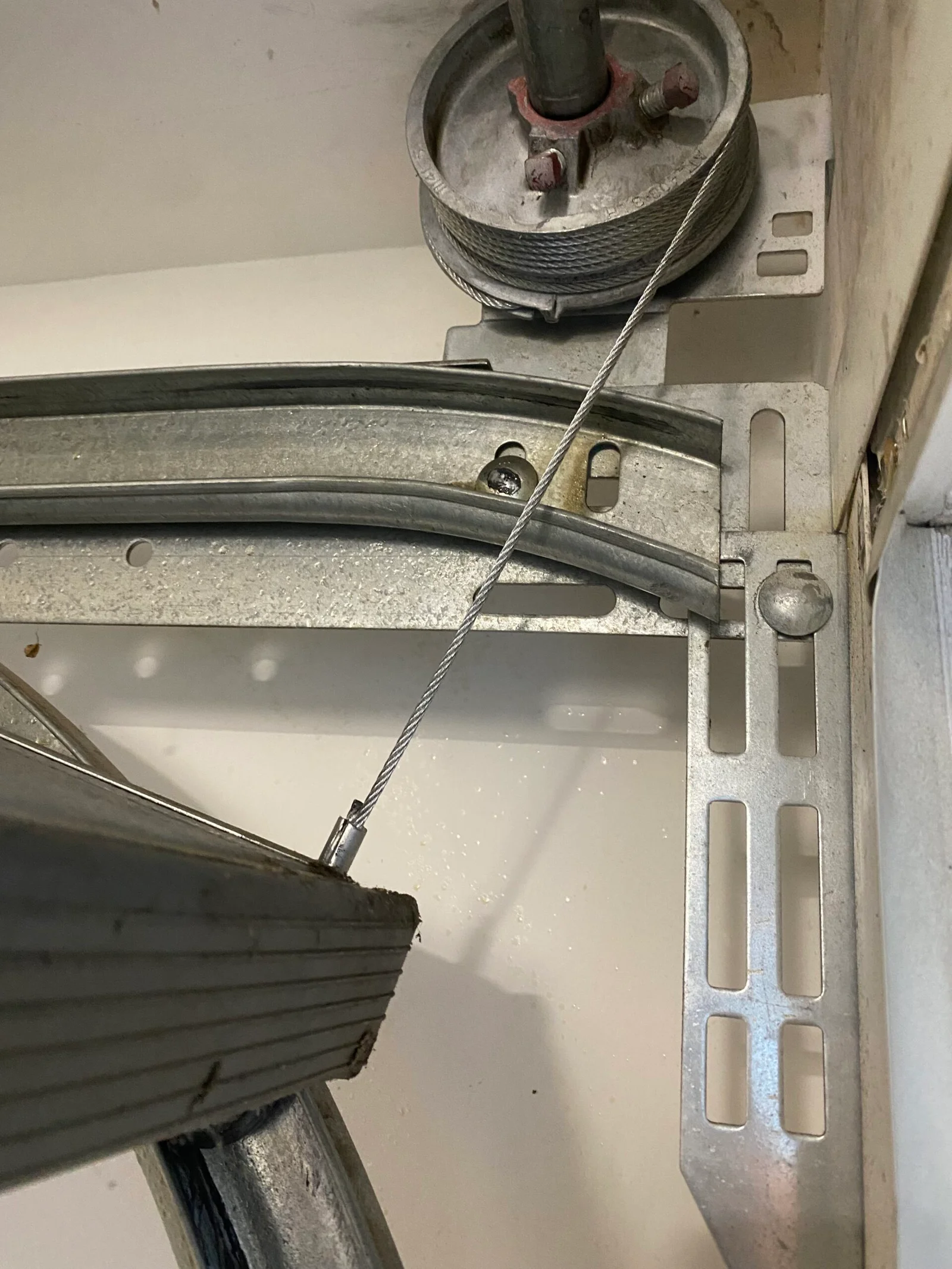
Not every crooked door is caused by the spring. A frayed cable, slipping drum, damaged roller or bent track can create similar symptoms. Diagnosis should identify the root cause before parts are replaced.
Extension Springs Also Have to Match Door Weight
Although torsion springs receive much of the attention in spring-sizing discussions, extension springs are also selected according to door weight and system design. Extension springs stretch along the horizontal tracks and use pulleys and cables to counterbalance the door.
DASMA's spring color-code guidance includes extension springs by door weight, but it also cautions that color coding is only part of identification and should be supported by measurements and other information. Homeowners should not buy replacement extension springs based on paint color alone.
Paired extension springs should also be compatible from side to side so the door does not lift unevenly.
Replacing a Broken Spring?
The safest recommendation starts with the actual door weight, spring dimensions, drum setup, cable condition and final balance—not simply matching the old spring by appearance.
Why Spring Color Codes Can Be Misleading When Used Alone
Color markings can help technicians identify certain spring characteristics, but they are not a complete replacement specification. Torsion color coding can relate to wire size, while extension-spring color coding can relate to door weight ranges.
Older springs may be dirty, repainted, faded or from a different coding practice. A color stripe also does not tell the technician every important dimension of the spring.
Use color as one clue—not as the entire sizing method. Physical measurements and door information should confirm the choice.
Added Insulation Can Change the Spring Requirement
Insulation kits can improve thermal performance, but they add material to the door. On a large double door, added weight can be enough to change the spring balance, especially if the original system was already near the edge of its intended range.
If the door feels heavier after insulation is added, or the opener begins straining, the counterbalance system should be checked. Do not automatically increase opener force.
When replacing springs on an insulated door, the technician should size for the door as it exists now, not for the original uninsulated specification.
Single-Car and Double-Car Doors Can Require Very Different Springs
Door width is not the only variable, but it strongly influences typical door weight. A single-car non-insulated steel door can be far lighter than a wide insulated double door. A double door also places more load across the shaft, cables and panels.
However, it would be a mistake to assume all single doors are light or all double doors are heavy. Wood construction, glass and reinforcement can reverse those expectations. Actual door information should control the decision.
When homeowners compare spring quotes, they should expect the technician to ask about door width, height, material and whether the door has insulation or windows.
Glass, Decorative Hardware and Replacement Panels Can Also Change Door Weight
Decorative windows, reinforcement, handles, panel overlays and replacement sections can all affect weight. The change may be small or significant depending on the material and number of modifications.
Even when the overall door still moves, an old spring setup may no longer provide ideal balance. This can show up as a door that drifts, feels heavy in part of the travel or requires more opener effort than before.
Spring replacement is an opportunity to correct the system for the current door rather than continuing an old mismatch.
Heavier Residential Doors Require More Careful Spring Matching
Wood, insulated carriage-style and other heavier residential doors can place substantial demands on the counterbalance system. They may use larger springs, multiple springs or different shaft and drum configurations than a lightweight steel door.
The exact material is less important than the actual weight and operating geometry. Two doors that look similar from the street may require very different spring specifications.
Homeowners should be cautious of any spring quote that assumes the required spring solely from the door's width without asking about construction, weight or current hardware.
How Professionals Determine the Door Weight Requirement
Professionals can use manufacturer information, existing spring calculations, spring measurements and, when appropriate, a controlled weighing process to determine the counterbalance requirement. The method depends on the door and whether the existing springs are intact.
A broken-spring door can be extremely heavy, so homeowners should not disconnect components and attempt to weigh it themselves. The door should be secured and handled with appropriate equipment.
The goal is to establish reliable data for spring selection rather than guess from appearance.
Why the Old Spring Is Not Always the Correct Blueprint
If the garage door operated for years with the existing spring, it is tempting to assume the old spring must have been correct. That is not always true. Previous repairs may have installed a “close enough” spring, the door may have been modified after installation, or the original system may have been marginally balanced.
Clues include a door that always felt heavy, an opener that consistently strained, a door that would not remain controlled during prior balance checks, or a system with springs that do not appear to be a matched pair.
When those signs are present, the replacement should be recalculated rather than copied automatically.
8 Signs the Existing Springs May Not Match the Door Correctly
- The door feels unusually heavy. This can indicate insufficient counterbalance, though cable or track problems can cause similar symptoms.
- The door wants to rise by itself. Excess spring force is one possible cause.
- The opener strains during opening. A weak spring setup can leave too much door weight for the opener.
- The opener struggles more while closing. Excessive spring force can make closing harder.
- The door will not remain controlled during a professional balance check. Spring mismatch is one possible reason.
- The door became different after insulation or panel changes. Added weight may have changed the spring requirement.
- One side rises faster than the other. Spring, cable, drum or track issues may be involved.
- Previous spring replacements changed how the door feels. A replacement may have been sized differently from the original system.
These symptoms overlap with other mechanical problems, so diagnosis should not be based on one symptom alone.
Santa Clarita Conditions: Usage Matters More Than the ZIP Code
Santa Clarita's warm, dry conditions can affect lubrication, dust accumulation and general garage environment, but climate does not determine spring size. Door weight and system geometry do.
Local usage patterns can still matter. Multi-vehicle households and garages used as a primary home entrance can accumulate many cycles, which affects the cycle-life option selected after the correct spring size is determined.
The useful local question is therefore: What spring correctly balances this Santa Clarita garage door, and what cycle-life option makes sense for how the household uses it?
Two-Spring Systems Need Pair Matching, Not Just Individual Spring Matching
On a two-spring torsion system, the total torque comes from both springs. That means the technician can sometimes use two different spring specifications that are deliberately calculated to work together.
The homeowner should not assume both springs must always have exactly the same length or wire size. What matters is that the pair is engineered together and produces the correct counterbalance for the door.
When one spring breaks, the remaining spring's specification and condition should be identified before selecting the replacement. If the remaining spring is old, damaged or poorly documented, replacing the pair can be a cleaner way to establish a known system.
How Spring Size and Door Weight Can Affect Replacement Cost
Spring replacement cost can vary because different doors require different springs and labor scope. A lightweight one-spring door may not require the same parts as a heavy two-spring door. A system with worn cables, drums or bearings may also require more work than a straightforward spring replacement.
Factors can include spring wire size, spring dimensions, number of springs, door weight, door height, cycle-life option, cable condition, drum condition, access, labor and installation complexity.
This article does not publish fixed Next Hour Garage Door Repair pricing or promise free estimates. The useful comparison is to ask what spring specification is being recommended, why it matches the door, and what parts and labor are included.
Why Spring Sizing and Replacement Are Not DIY Tasks
Torsion springs store substantial mechanical energy. Correct sizing requires measurements and system knowledge, while installation requires controlled winding and safe handling of high-tension components.
Homeowners should not wind or unwind torsion springs, loosen winding cones, adjust cable drums, remove bottom brackets, reconnect lift cables under tension or attempt to compensate for a heavy door by changing spring tension without proper calculations.
The safe homeowner role is observation: note whether the door is heavy, rises aggressively, moves unevenly or changed after a modification. Leave spring measurement, winding and final balance adjustment to trained service personnel.
Symptom-to-Spring-Sizing Diagnostic Guide
| Symptom | Possible spring-related explanation | Other causes to check |
|---|---|---|
| Door feels very heavy | Spring too weak, broken or fatigued | Binding rollers, damaged track, cable problem |
| Door rises by itself | Spring force may be too high | Travel or hardware issues |
| Opener struggles upward | Insufficient counterbalance | Opener wear, roller/track resistance |
| Opener struggles closing | Excessive counterbalance | Sensor, travel or track issue |
| Door moves crooked | Uneven spring/counterbalance behavior | Cable, drum, roller or track damage |
| Performance changed after insulation | Added door weight may require spring recalculation | Installation interference or hardware changes |
| New spring changed door feel | Replacement may not match previous torque requirement | Other repair changes made at same time |
These are diagnostic possibilities rather than one-to-one causes. A technician should inspect the entire system before deciding the spring is responsible.
12 Questions to Ask Before Approving a Garage Door Spring Replacement
- What does my garage door actually weigh or require for counterbalance?
- What wire size is being recommended?
- What is the spring's inside diameter?
- What is the spring length?
- Does my door use one spring or two?
- If two springs are used, how are they matched together?
- Are the cable drums correct for the door height and spring setup?
- Has the door weight changed because of insulation, glass or replacement panels?
- What cycle-life option is being recommended?
- Will the cables, bearings, rollers and tracks be inspected?
- Will the finished door be checked for proper balance?
- What parts and labor are included in the repair?
California homeowners who want to verify contractor information can use the official California Contractors State License Board Check a License tool. This article does not claim a specific Next Hour license number or classification.
What a Proper Spring-Sizing Inspection Should Include
A professional spring-sizing process should start with the existing door and hardware. The technician should identify the spring type, inspect current spring dimensions, note whether the system uses one or two springs, inspect the cable drums and lift cables, and consider the door height and actual weight.
If the door has been modified, those changes should be included in the calculation. If the old springs were clearly mismatched, the technician should not simply duplicate them.
After the new springs are installed, the door should be checked for controlled, balanced movement before the opener is returned to normal use. That final verification is what connects the spring measurements to real-world performance.
Why Consider Next Hour Garage Door Repair Santa Clarita for Spring Sizing and Replacement?
Next Hour Garage Door Repair Santa Clarita | Garage Spring & Opener Repair is a local option for homeowners dealing with broken springs, heavy doors, spring mismatch symptoms and counterbalance problems.
A useful recommendation should explain why the proposed spring matches the door rather than simply installing a coil that resembles the old part. Door weight, spring dimensions, drum setup, cable condition and final balance should all be part of the decision.
For current service availability, call (661) 449-2694, review the verified garage door spring repair service in Santa Clarita, or view Next Hour Garage Door Repair Santa Clarita on Google Maps.
Santa Clarita Valley Service-Area Context
The primary geographic focus of this guide is Santa Clarita, California, including the 91387 local context and the broader Santa Clarita Valley. Supporting service communities can include Valencia, Canyon Country, Saugus, Newhall, Stevenson Ranch, Castaic and Hasley Canyon when relevant.
These are service-area references only and do not imply separate public offices. Correct spring sizing depends on the garage door's weight and hardware, not the neighborhood.
Frequently Asked Questions About Garage Door Spring Size and Door Weight
How do I know what size garage door spring I need?
The spring must be selected from the door's counterbalance requirements, including actual door weight, spring type, wire size, inside diameter, spring length, door height and cable-drum setup. Matching only the old spring's appearance is not enough.
Does garage door weight determine spring size?
Yes. Door weight is one of the most important inputs in spring selection. The spring system must produce enough torque to counterbalance that weight through the door's travel.
What happens if a garage door spring is too weak?
The door can feel heavy and the opener may strain, slow down or stop. A weak spring leaves too much of the door's weight for the opener and other components to handle.
What happens if a garage door spring is too strong?
The door can rise too aggressively, resist closing or become difficult to balance. More spring force is not automatically better.
Can I replace a garage door spring with one that looks the same?
Not safely based on appearance alone. Wire size, inside diameter, length, winding direction, door weight and other system details must be confirmed.
Does adding insulation change the garage door spring size?
It can. Added insulation increases door weight, which can change the counterbalance requirement. The spring system should be checked after meaningful weight changes.
Do high-cycle springs use a different size?
They can. A high-cycle design may use different wire size, diameter or length while still producing the correct torque for the same door.
Can the wrong spring damage the garage door opener?
It can create abnormal load. A weak spring can make the opener lift too much weight, while an overly strong spring can make closing more difficult.
Are spring color codes enough to select a replacement?
No. Color codes provide only partial identification. DASMA advises using physical spring measurements, door weight and other manufacturer information to confirm proper replacement.
Should homeowners measure and replace garage door springs themselves?
No. Torsion springs and related cables and drums operate under high tension. Spring replacement and final balance adjustment should be handled by trained service personnel.
A Correctly Sized Spring Starts With the Door, Not the Old Coil
If your garage door is unusually heavy, rises too aggressively, strains the opener or changed after insulation or panel work, the spring system may need to be evaluated against the door's actual weight and hardware.
Ask About Current Garage Door Spring Service Availability
Call Next Hour Garage Door Repair Santa Clarita | Garage Spring & Opener Repair at (661) 449-2694 to discuss spring sizing, broken spring replacement and door-balance concerns.
Garage Door Spring Selection Checklist for Homeowners
You do not need to calculate or install the spring yourself, but you can ask whether the repair recommendation accounts for the details that actually control spring selection.
- The technician identifies whether the system uses torsion or extension springs.
- The current spring wire size, inside diameter and length are measured where relevant.
- The door's actual weight or manufacturer data is considered.
- Door height and cable-drum configuration are checked.
- The number of springs is treated as part of the engineering, not a cosmetic preference.
- Added insulation, glass, reinforcement or replacement panels are considered.
- The condition of cables, drums, bearings, rollers and tracks is checked.
- The proposed cycle-life option is explained separately from spring torque.
- The final door is checked for controlled balance after installation.
- The opener is tested after the mechanical door is correctly counterbalanced.
If a spring recommendation skips most of these questions and relies only on a visual match, ask for a clearer explanation before approving the work.
2 Responses